Physical Address
304 North Cardinal St.
Dorchester Center, MA 02124
Physical Address
304 North Cardinal St.
Dorchester Center, MA 02124

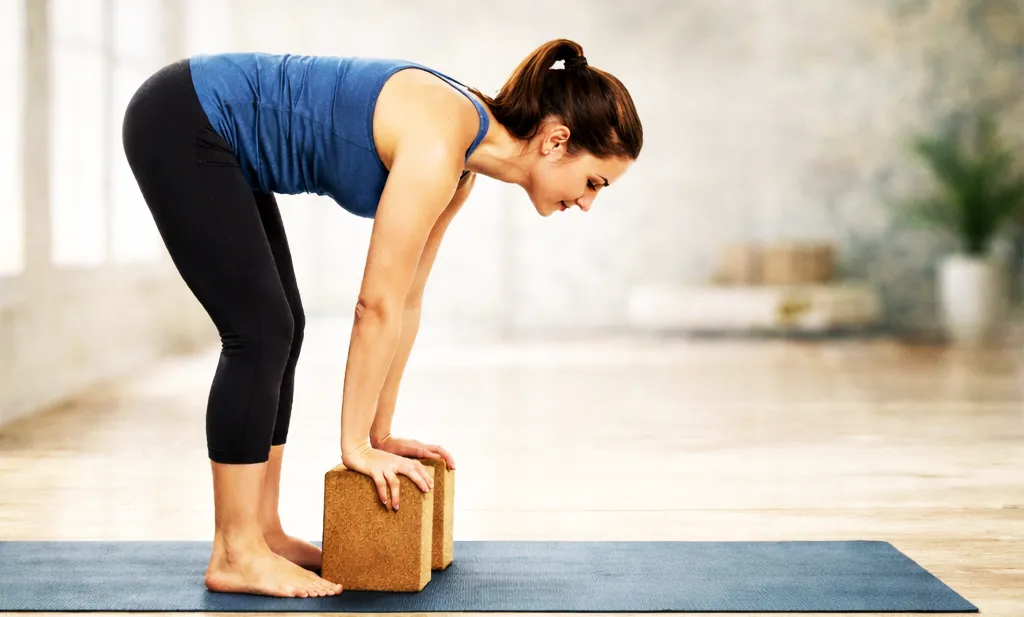
Half Forward Bend (Ardha Uttanasana) is a beginner-friendly yoga pose that improves posture and flexibility. Also known as Ardha Uttanasana (अर्ध उत्तानासन), this foundational standing pose is commonly practiced in Sun Salutations (Surya Namaskar) and vinyasa yoga flows. In this posture, the body folds forward halfway from the hips while the spine stays long, straight, and well-aligned.
This pose emphasizes proper spinal alignment, balance, and controlled stretching, making it an excellent beginner-friendly yoga posture. With the support of yoga blocks, a chair, or a yoga mat, Ardha Uttanasana can be practiced safely at home while improving posture, flexibility, and overall body awareness.
For comfortable and safe practice at home, a good-quality yoga mat and supportive yoga blocks can make a big difference.
👉 Yoga Mat
● Begin by standing tall with your feet hip-width apart, grounding evenly through all four corners of each foot.
● Take a deep inhale and raise your arms overhead, lengthening the spine and creating space between each vertebra.
● As you exhale, hinge forward from the hips, keeping your back straight and your core gently engaged.
● Lift your chest forward and broaden your collarbones, allowing the heart to move ahead of the body rather than downward.
● Keep the neck long and relaxed, with a soft downward gaze to maintain spinal alignment.
● Engage your legs and press firmly into your feet to support balance and stability.
● Activate your core so the movement feels like a stretching forward motion rather than a forced forward fold.
● With your next exhale, either deepen the stretch mindfully or slowly return to a standing position with control.
Regular practice gently stretches the hamstrings, calves, and spine, improving flexibility and mobility over time.
This pose improves awareness of posture and movement, helping you maintain better alignment in daily activities.
By encouraging a neutral spine, Ardha Uttanasana helps correct poor posture caused by prolonged sitting or slouching.
The pose strengthens key muscle groups, including the legs, back, and core, which support balance and stability.
Want to learn yoga the right way?
Join a certified yoga teacher training program at Jiva Yoga Academy and build a strong foundation with expert guidance. 👉 Jiva Yoga Academy
According to traditional yoga practice, maintaining a neutral spine during forward bends helps protect the back and improve posture.
Ardha Uttanasana teaches proper forward-bending technique without placing excess strain on the lower back. It allows beginners to practice safe alignment while gradually building strength, flexibility, and body awareness, making it an ideal learning pose.
● Protects the lower back by reducing strain during forward bends
● Improves spinal alignment and posture awareness
● Gently stretches the hamstrings and back muscles
● Builds strength in the legs and core for better stability
● Prepares the body safely for deeper forward-fold yoga poses
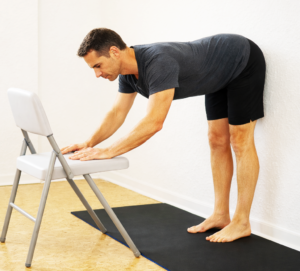
Maintaining correct posture is essential to stay comfortable and prevent injury. Below are common mistakes and simple fixes.
Problem: Increases pressure on the spine and may cause discomfort.
Simple Fix: Keep your spine straight and long. Think of lifting your chest slightly while keeping your back relaxed.
Problem: Puts stress on the joints and reduces balance.
Simple Fix: Keep a small bend in your knees to stay relaxed and stable.
Problem: May lead to muscle strain or injury.
Simple Fix: Focus on alignment, not depth.
Problem: Causes stiffness and tension.
Simple Fix: Keep your neck in a natural, relaxed position and let your gaze stay soft.
Problem: Increases body tension.
Simple Fix: Breathe slowly and naturally throughout the movement to help your body relax.
● Use yoga blocks if you cannot reach your shins comfortably
● Move slowly and with control
● Stop immediately if you feel sharp pain
● Pregnant individuals or those recovering from injury should practice under guidance
Using a non-slip yoga mat helps maintain balance and prevents injuries during standing poses.
👉 Yoga Mat
● Morning on an empty stomach
● Evening at least 3–4 hours after meals
● Practice 2–3 rounds, holding each for 20–30 seconds
Q. Are yoga blocks necessary?
Ans: Not mandatory, but highly recommended for beginners for support and safety.
Q. Does this pose increase height?
Ans: It does not increase height, but it improves posture, making you appear taller.
Q. How long does it take to see benefits?
Ans: With regular practice, improvements in flexibility and posture can be noticed within 2–3 weeks.
Q. Is Half Forward Bend suitable for beginners?
Ans: Yes, it is one of the safest and most recommended poses for beginners.
Q. Can Ardha Uttanasana help with back pain?
Ans: It may help with mild stiffness, but avoid it if you have acute back pain.
Half Forward Bend (Ardha Uttanasana) is a simple yet powerful yoga pose that improves posture, flexibility, and spinal health. When practiced with correct alignment, mindful breathing, and supportive props, it supports both physical comfort and mental well-being making it ideal for beginners and experienced practitioners alike.
To practice Ardha Uttanasana safely and comfortably at home, investing in the right yoga props can greatly improve your experience.
After mastering Half Forward Bend, beginners can explore strength and flow-based poses gradually.
The foundation of all standing yoga poses, helping beginners build proper alignment and posture.
A gentle transition pose commonly used in yoga flows to stretch and strengthen the body.
Disclosure: This post contains affiliate links. If you purchase through these links, we may earn a small commission at no extra cost to you.

Ajay Jaswal is the founder of Fitness Dose Club, where he shares beginner-friendly guides on posture improvement, fitness training, and responsible supplement use. His goal is to make healthy living simple, practical, and safe for everyday people.