Physical Address
304 North Cardinal St.
Dorchester Center, MA 02124
Physical Address
304 North Cardinal St.
Dorchester Center, MA 02124

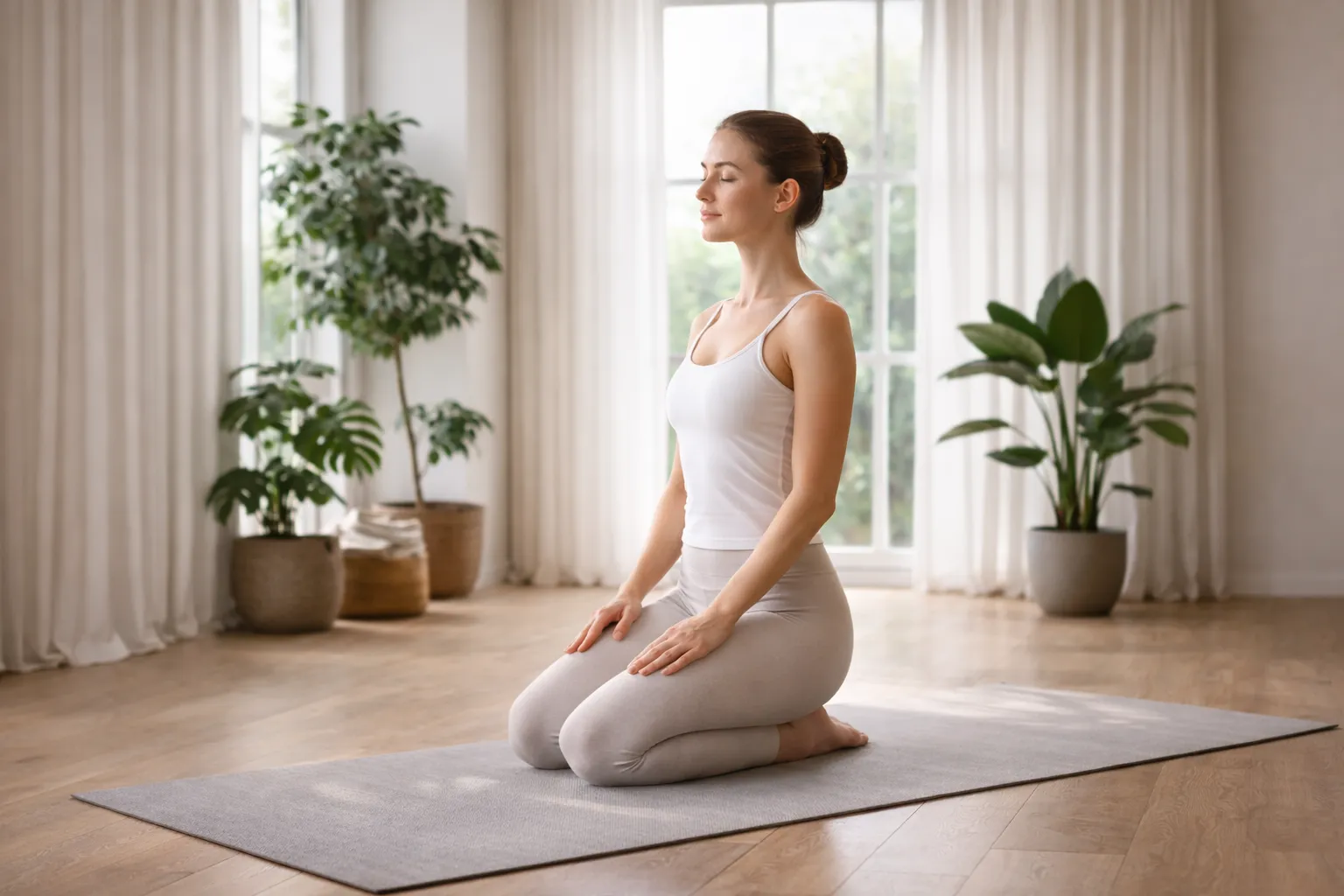
Vajrasana (Thunderbolt Pose) is a simple seated yoga posture that helps improve digestion, posture, and mental calm. In daily life, long sitting hours, irregular eating habits, and constant stress often affect digestion, posture, and mental calm. While modern medicine focuses on quick relief, many people look for simple lifestyle practices that support long-term balance. Yoga offers gentle yet effective practices to support overall physical and mental well-being.
Among various yoga postures, Vajrasana (वज्रासन), also known as the Thunderbolt Pose or Diamond Pose, holds a special place in traditional yoga practice. Unlike most yoga poses, Vajrasana can be comfortably practiced after meals, which makes it especially helpful for digestion.
Vajrasana is a simple seated posture that encourages stillness, awareness, and correct alignment. Because of its gentle nature, it is suitable for beginners while remaining beneficial for experienced practitioners as well.
The Sanskrit word “Vajra” means thunderbolt or diamond, symbolizing strength, stability, and clarity. “Asana” means posture. Together, Vajrasana represents a pose of inner firmness and calm focus.
In this posture, the practitioner sits on the heels with the spine upright and the body relaxed. Although it looks simple, Vajrasana works subtly on the digestive system, nervous system, and posture. This is why it is commonly used during meditation and pranayama practices.
Vajrasana is important in daily yoga routines because it supports health in a natural and practical way. Practicing it regularly may help improve digestion, reduce mental tension, and encourage correct sitting posture—something many people struggle with due to sedentary lifestyles.
Most yoga poses are recommended on an empty stomach, but Vajrasana is an exception. Sitting in Vajrasana after eating helps the body remain upright and relaxed, which supports the digestive process.
Traditional yogic practices often recommend Vajrasana as a post-meal posture. Even sitting in Vajrasana for 5–10 minutes after lunch or dinner may help reduce heaviness, bloating, and discomfort.
Practicing Vajrasana with correct alignment helps you gain maximum benefit while avoiding strain.
• Begin by kneeling on a yoga mat or any soft surface to protect your knees.
• Keep your knees close together and bring your big toes together behind you.
• Slowly lower your hips and sit back on your heels with control.
• Let your thighs rest comfortably on your calves without forcing the position.
• Keep your spine straight, chest open, and shoulders relaxed.
• Place your hands gently on your thighs, palms facing downward.
• Keep your head aligned with the spine and your chin parallel to the floor.
• Close your eyes and breathe slowly and naturally, focusing on relaxation.
Duration:
Beginners: 2–3 minutes
Intermediate: 5–10 minutes
Advanced: up to 15–20 minutes
Comfort is more important than duration, especially for beginners.
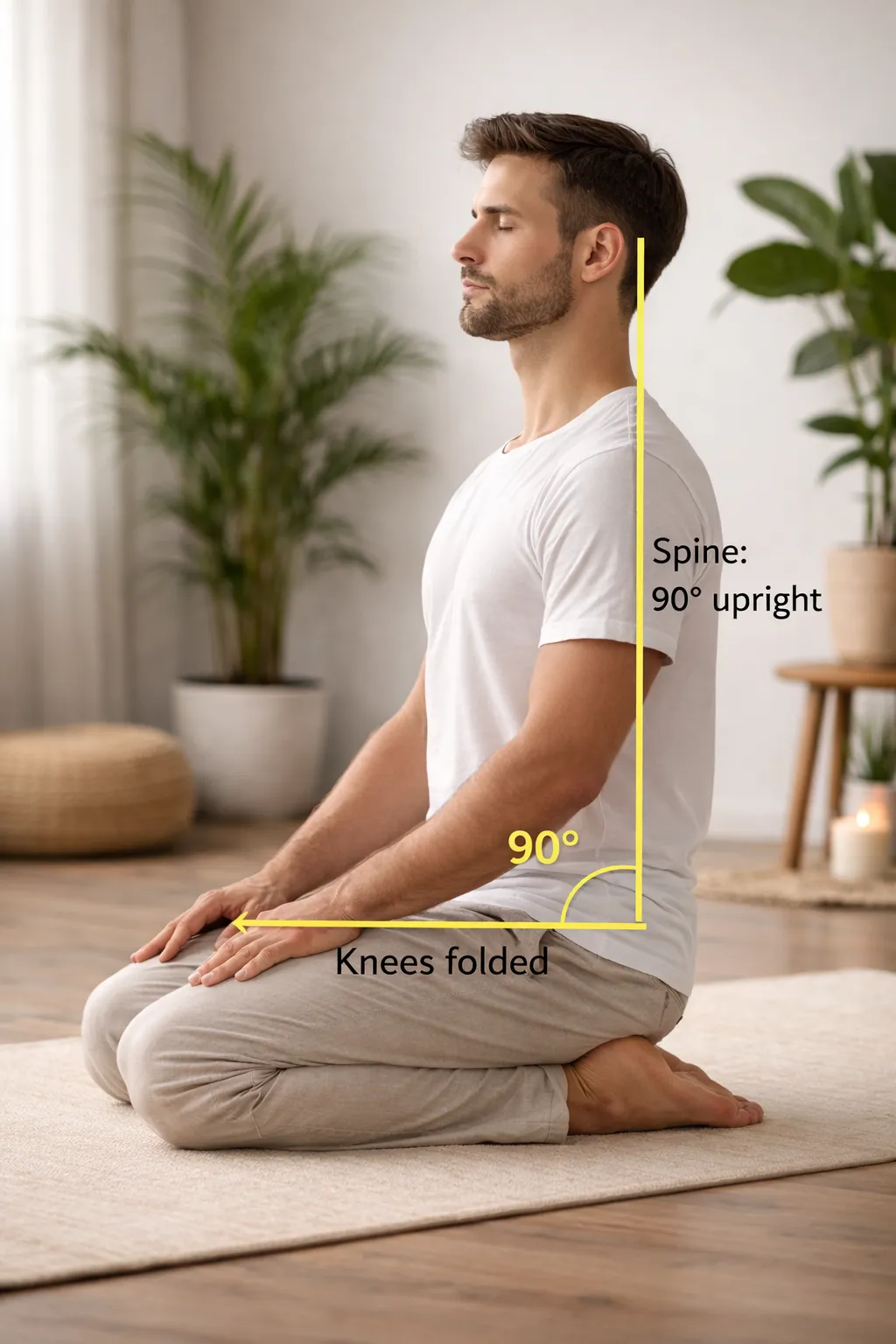
Correct Vajrasana position for digestion and posture
Below are the key health benefits of practicing Vajrasana regularly.
Vajrasana has a grounding effect on the mind. Sitting upright with slow, steady breathing helps calm the nervous system. Many people find that regular practice helps reduce mental stress, anxiety, and restlessness, especially after a long day.
This calming effect may help ease mental stress, anxiety, and restlessness, particularly after a demanding day. It can be especially supportive for people who feel mentally tired or overwhelmed.
When the body remains upright after meals, the digestive system works with less pressure, which is why many people prefer Vajrasana after eating.
This simple posture supports a relaxed digestive process and may help ease discomfort such as bloating, acidity, gas, and slow digestion. Over time, regular practice can make digestion feel lighter and more comfortable after meals.
• Gas and bloating
• Indigestion
• Constipation
It also supports healthy blood circulation to digestive organs, allowing food to digest more efficiently.

Practicing Vajrasana after meals for better digestion
Sitting in Vajrasana promotes an upright spine and healthy posture. With consistent practice, it may help reduce slouching, support spinal alignment, and improve lower back comfort, making it especially useful for people who sit for long hours.
Although gentle, Vajrasana helps improve flexibility and circulation in the lower body over time. Regular practice can support the knees, ankles, and thighs, especially when combined with mindful movement and proper support.
Healthy digestion plays an important role in maintaining a balanced weight. Vajrasana encourages mindful eating and better digestion, which may indirectly support weight management when practiced alongside a healthy diet and active lifestyle.
Vajrasana may help ease menstrual discomfort by relaxing pelvic muscles and improving circulation. When practiced regularly, it may also support hormonal balance and overall comfort during different phases of the menstrual cycle.
By supporting digestion and metabolism, Vajrasana may help maintain steadier energy levels after meals. Practicing it regularly may support better energy balance after meals when combined with medical guidance and healthy habits.
Vajrasana supports the body naturally, but it is most effective when practiced as part of a balanced lifestyle rather than as a standalone solution for health concerns.
Vajrasana is generally safe and beginner-friendly, but it may not be suitable for everyone.
• Individuals with acute or chronic knee pain
• People recovering from knee, ankle, or foot surgery
• Those with severe arthritis in the lower joints
• Pregnant women in later stages (unless guided by a qualified instructor)
• Use a folded blanket or cushion between the thighs and calves
• Sit on a yoga block or bolster for extra support
• Avoid forcing the posture if discomfort persists
• Choose a comfortable seated posture like Easy Pose (Sukhasana) if needed
• Slouching or rounding the back
• Forcing the posture despite joint pain
• Holding the breath instead of breathing naturally
• Practicing on a hard surface without support
Mindful alignment and comfort are key to safe practice.
Best Time:
• After meals (lunch or dinner)
• Early morning for meditation and breathing practices
Consistency is more important than duration.
Because Vajrasana keeps the body stable and the spine upright, it is ideal for meditation and breathing exercises. Unlike some cross-legged postures, it allows many people to sit comfortably for longer periods without numbness.
Compared to cross-legged postures, Vajrasana:
• Is easier for beginners
• Can be practiced after meals
• Reduces pressure on the hips
• Offers stronger digestive support
This makes it a practical daily yoga posture.
Modern observations suggest that Vajrasana supports parasympathetic nervous system activity, which is associated with relaxation and digestion. This explains why the posture is traditionally recommended after meals in yogic practices.
If you’re just starting your yoga journey, this beginner guide will help you practice safely at home:
👉 Yoga for Beginners: Easy Poses & Step-by-Step Guide to Start at Home
Vajrasana looks effortless, yet its impact is felt deeply when practiced with awareness and consistency. By encouraging an upright posture and calm breathing, it gently supports digestion, mental relaxation, and daily body comfort without demanding intense physical effort. Because Vajrasana can be practiced after meals and does not require any special equipment, it fits naturally into everyday routines.
Even a few mindful minutes each day can help many people feel lighter, more relaxed, and better aligned. Whether you are just beginning your yoga journey or maintaining a regular practice, Vajrasana serves as a simple yet reliable posture for long-term well-being.
If your goal is long-term flexibility and joint comfort, a structured stretch-and-strength routine can help support daily yoga practice. 👉 Daily Stretching & Strength Programs for Flexibility and Longevity
Q: How long should beginners practice Vajrasana?
Ans: Beginners can start by practicing Vajrasana for 2–3 minutes and gradually increase the duration to 5–10 minutes as comfort improves. Consistency is more important than long duration.
Q: Is Vajrasana safe for daily practice?
Ans: Yes, Vajrasana is generally safe for daily practice if performed with correct posture and without forcing the body. However, people with knee pain or joint issues should practice with caution or consult a yoga expert.
Q: Can Vajrasana be practiced after meals?
Ans: Yes, Vajrasana is one of the few yoga poses that can be safely practiced after meals. Sitting in this posture helps improve digestion, reduce acidity, and prevent bloating when done for a few minutes after eating.
Q: Can Vajrasana help improve digestion?
Ans: Vajrasana is well known for its digestive benefits. It improves blood circulation to the digestive organs, helping food digest more efficiently and reducing problems such as gas, indigestion, and constipation.
Q: Who should avoid practicing Vajrasana?
Ans: People with severe knee injuries, recent ankle or foot surgery, advanced arthritis, or pregnant women in later stages should avoid Vajrasana unless guided by a qualified yoga instructor.
Q: Is Vajrasana suitable for meditation and pranayama?
Ans: Yes, Vajrasana is an excellent posture for meditation and breathing exercises. It keeps the spine erect, provides stability, and allows longer sitting without discomfort for many practitioners.
Q: Which age group can practice Vajrasana?
Ans: Vajrasana can be practiced by most age groups, including children, adults, and seniors. It is a gentle, beginner-friendly yoga pose, though people with severe knee or joint issues should consult a professional before practicing.
If you are interested in exploring yoga beyond personal practice, Yoga Teacher Training in Rishikesh offers a deeper understanding of traditional yoga, including foundational postures such as Vajrasana, along with breath awareness and alignment principles.
View Recommended Products for Practice
Disclaimer: The information provided in this article is for educational purposes only and should not be considered medical advice. Yoga practices should be performed under proper guidance. Please consult a qualified healthcare professional before starting any yoga or fitness routine, especially if you have any medical condition.
Disclosure: This article may contain affiliate links. If you make a purchase through these links, we may earn a small commission at no extra cost to you.

Ajay Jaswal is the founder of Fitness Dose Club, where he shares beginner-friendly guides on posture improvement, fitness training, and responsible supplement use. His goal is to make healthy living simple, practical, and safe for everyday people.