Physical Address
304 North Cardinal St.
Dorchester Center, MA 02124
Physical Address
304 North Cardinal St.
Dorchester Center, MA 02124

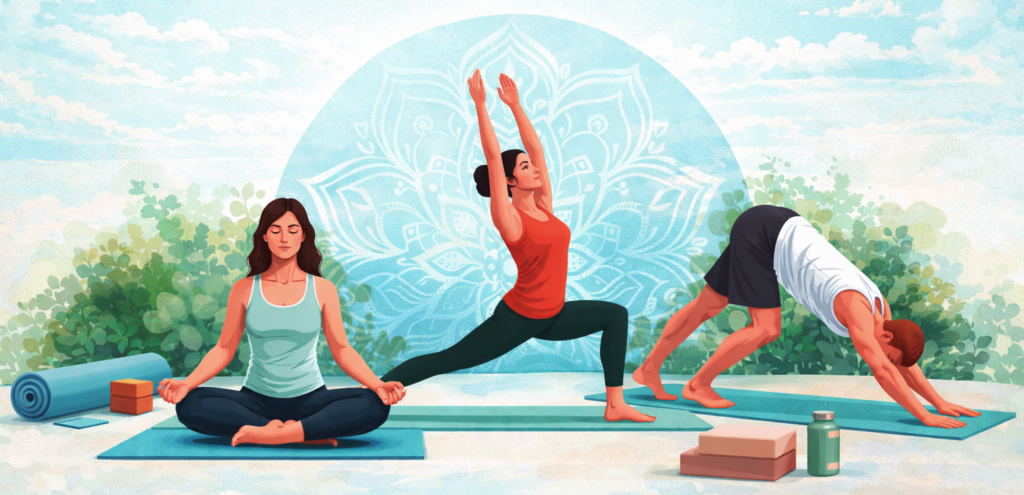
Yoga is a holistic practice that combines physical movement, controlled breathing, and mindfulness to support flexibility, physical comfort, and mental calm. When practiced regularly, yoga can improve posture, reduce stress and anxiety, and boost overall strength and energy levels.
This beginner-friendly guide is created for those who want to begin their yoga journey at home in a simple, safe, and comfortable way.
Regular yoga practice can help you:
Yoga is a natural and sustainable way to stay active, relaxed, and balanced in daily life.
Getting Started: Essential Tips for Beginners
Here are some fundamental tips to keep in mind when starting yoga:
Some simple and effective beginner poses include:
Start with these poses for 20–30 seconds and focus on steady breathing.
Wear breathable, comfortable clothing and use a good-quality yoga mat
👉 A non-slip yoga mat can improve comfort and stability during practice
👉 Beginners may benefit from yoga blocks or straps to maintain proper alignment and reduce strain.
Many beginners make small mistakes that can slow progress or increase the risk of discomfort.
👉 Tip: Yoga should always be practiced slowly, mindfully, and without rushing.
Yoga is best practiced on an empty stomach because it allows the body to move freely and the mind to stay focused.
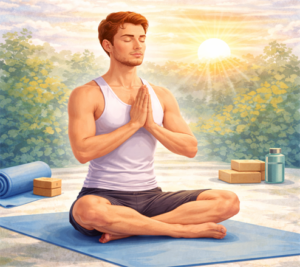
When the stomach is empty:
Best timing for yoga:
Practicing yoga immediately after heavy meals can cause discomfort, bloating, and reduced concentration. Giving your body enough time to digest ensures a safer and more effective yoga session.
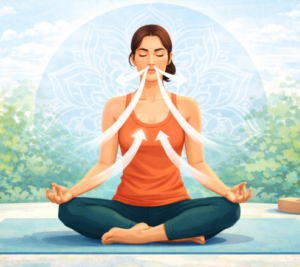
Proper breathing during yoga poses:
By maintaining steady and controlled breathing, yoga becomes more effective, allowing the body to move with ease while the mind remains relaxed and present.
According to Yoga Journal, mindful breathing plays a key role in improving focus, reducing stress, and supporting overall well-being.
Yoga is safe and highly beneficial when practiced with awareness, patience, and proper guidance. Mindful practice helps reduce the risk of injury and enhances overall results.
To practice yoga safely:
Practicing yoga with care ensures long-term benefits for both physical health and mental well-being.
Disclosure: This post may contain affiliate links. We may earn a small commission at no extra cost to you.
Q1. How many days a week should beginners practice yoga?
Beginners can start with 2–3 days per week and gradually increase frequency as strength, flexibility, and comfort improve.
Q2. How long should a beginner hold yoga poses?
Beginners should hold poses for 20–30 seconds, focusing on steady breathing rather than depth or intensity.
Q3. Can yoga help reduce stress and anxiety?
Yes, yoga helps calm the nervous system through controlled breathing and mindful movement, which can reduce stress and anxiety over time.
Q4. Is yoga safe to practice at home?
Yes, yoga can be safely practiced at home by following beginner-friendly instructions, listening to your body, and avoiding over-stretching.
Q5. Is yoga suitable for beginners?
Yes, yoga is suitable for beginners when practiced with simple poses, proper guidance, and mindful breathing. Starting slowly helps prevent injury and builds confidence.
Q6. Is it necessary to practice yoga on an empty stomach?
Yes, yoga is best practiced on an empty stomach or at least 3–4 hours after a meal to allow comfortable movement and better focus.
Beginner-Friendly Core Poses
If you’re just starting yoga, follow this simple sequence to build correct posture, flexibility, and confidence without strain.
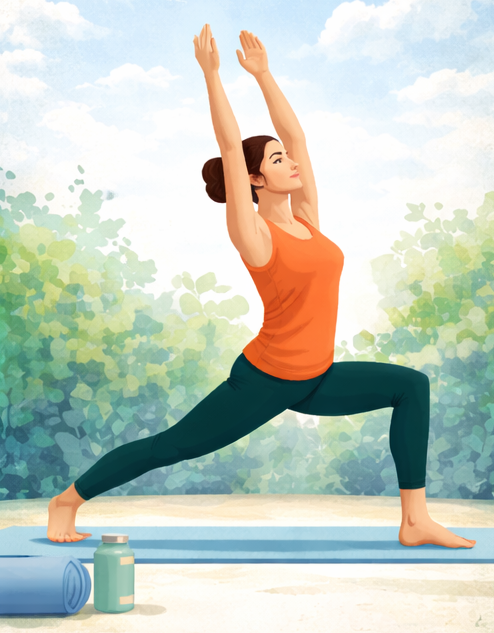
👉 Warrior I (Virabhadrasana I)
A beginner-friendly standing pose that strengthens the legs and improves balance.
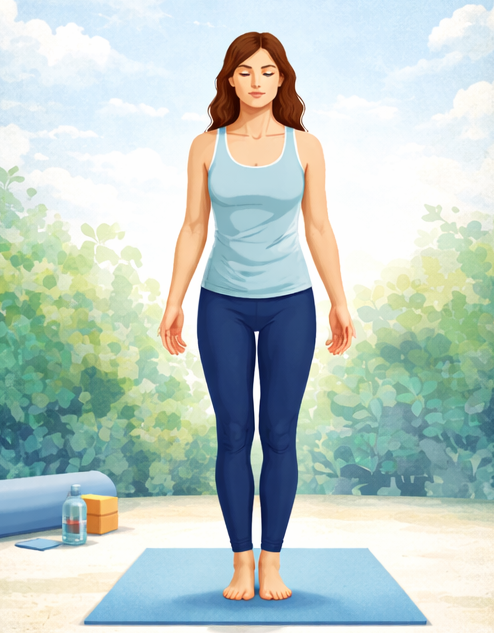
Mountain Pose (Tadasana) is the foundation of all standing yoga poses. It helps beginners build correct posture, balance, and body awareness before moving on to other poses.
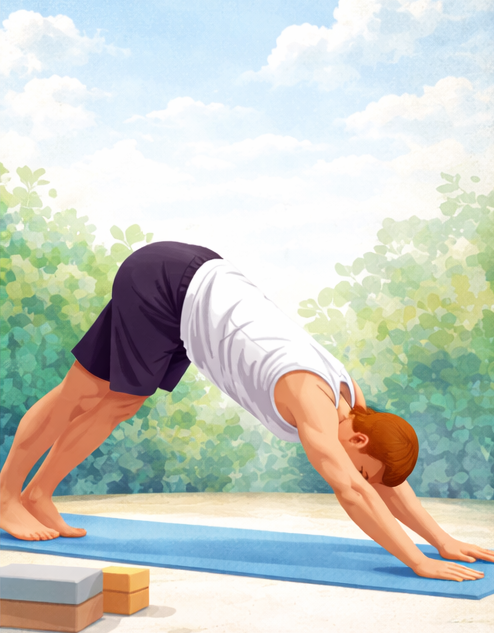
👉 Downward-Facing Dog (Adho Mukha Svanasana)
For practical, pose-based routines, explore our Beginner Yoga for Better Posture, Flexibility, and Full-Body Health.
👉 Beginner Yoga for Better Posture, Flexibility, and Full-Body Health
Along with yoga practice, many beginners also explore Reiki healing to support relaxation, emotional balance, and overall well-being.

Ajay Jaswal is the founder of Fitness Dose Club, where he shares beginner-friendly guides on posture improvement, fitness training, and responsible supplement use. His goal is to make healthy living simple, practical, and safe for everyday people.