
Introduction
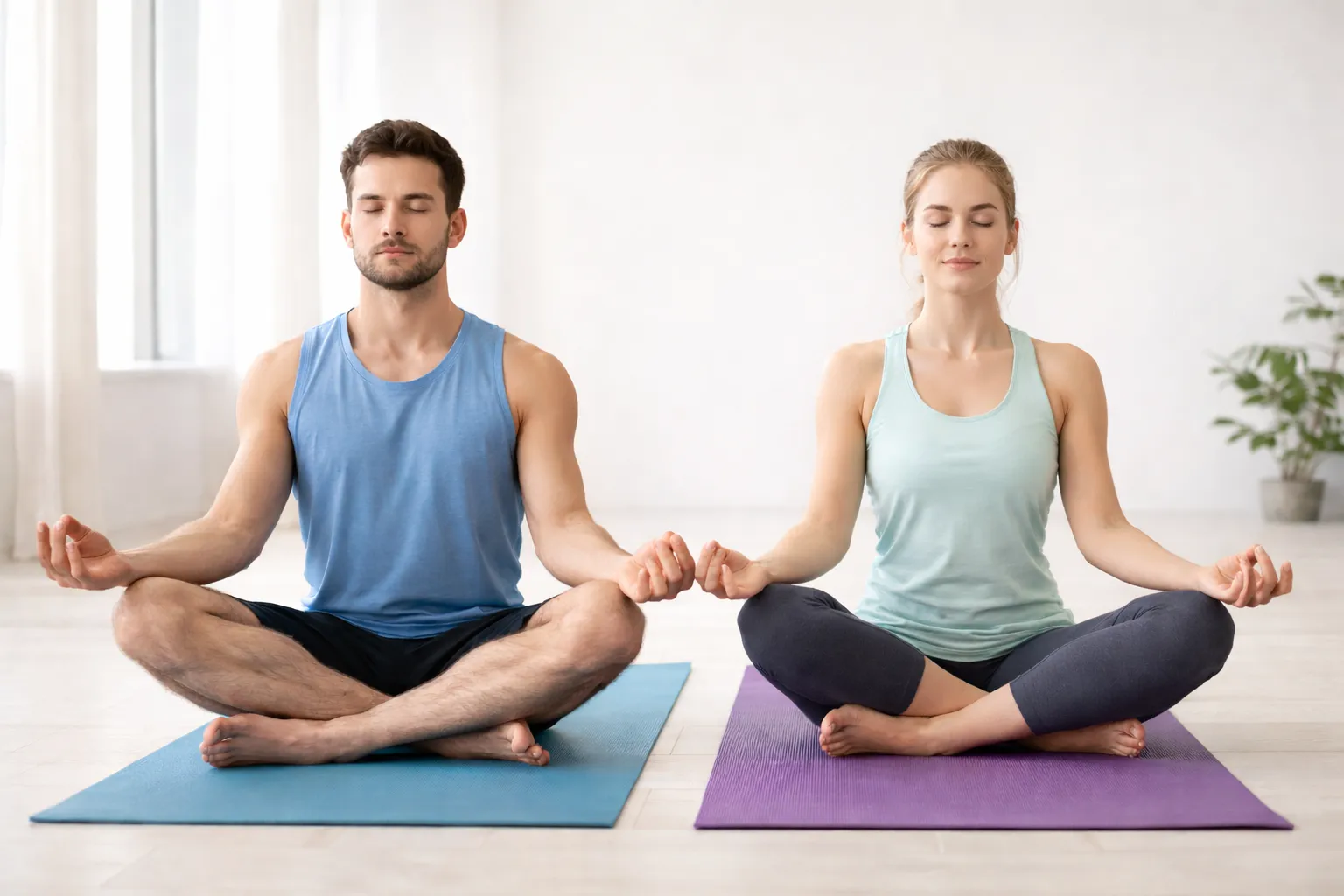
Beginner yoga for posture and flexibility helps counter prolonged sitting, poor posture, and reduced daily movement. Modern daily routines often involve extended sitting, limited physical movement, and frequent screen use. Over time, these habits can contribute to back discomfort, poor posture, stiffness, and reduced mobility across different age groups and professions.
Beginner-friendly yoga offers a gentle, natural approach to improving posture, flexibility, and overall body comfort. It does not require heavy equipment or intense physical effort, making it suitable for people with sedentary lifestyles.
This guide highlights common physical issues linked to modern living and explains how simple, safe yoga exercises can support better movement, alignment, and full-body well-being.
👉 Read our Understanding Yoga: A Comprehensive Beginner’s Guide to learn the basics safely.
Understanding Yoga: A Comprehensive Beginner’s Guide
Common Physical Issues Linked to Modern Lifestyles
Back Pain
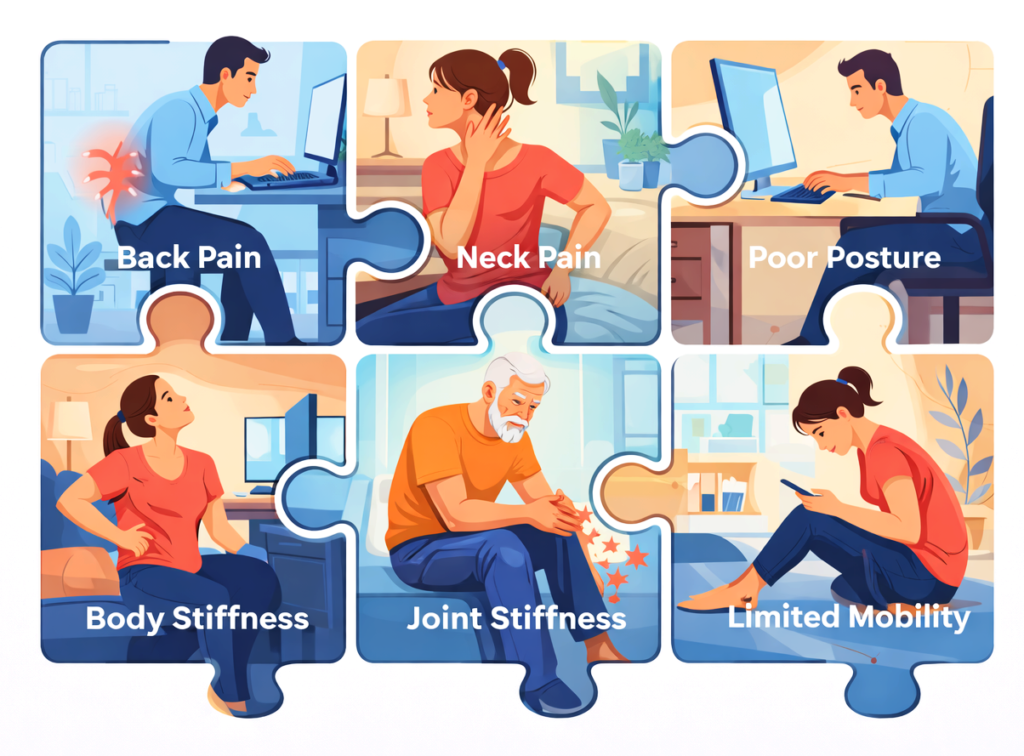
Spending long hours sitting, combined with weak supporting muscles and poor posture, often results in discomfort in the lower or upper back. This discomfort may become more noticeable after prolonged work hours or inactivity.
Poor Posture
Frequent screen usage and slouched sitting positions can gradually lead to rounded shoulders and forward head alignment. Over time, these habits disturb natural spinal positioning and balance.
Body Stiffness
Insufficient daily movement reduces muscle elasticity, leading to stiffness in areas such as the neck, shoulders, hips, and legs. This stiffness is commonly felt after waking up or following long sitting periods.
Limited Mobility
A sedentary routine can slowly decrease joint flexibility and range of motion, making everyday movements feel tight or uncomfortable.
Sitting-Related Lifestyle Challenges
Prolonged sitting with minimal physical activity may negatively affect circulation, energy levels, and overall posture, increasing the risk of long-term physical discomfort.
How Beginner Yoga Helps Improve These Problems
Beginner yoga emphasizes slow, controlled movements combined with conscious breathing and proper alignment. Instead of placing stress on the joints, yoga works gradually to restore natural movement patterns.
Regular practice helps release tight muscles, strengthen weak areas, and improve spinal support. Over time, this leads to better posture, increased flexibility, and improved comfort during daily activities.
Yoga also builds body awareness, allowing beginners to move more mindfully and maintain healthier movement habits in the long term.
Yoga Exercises for Common Body Problems (Beginner-Friendly)
Yoga for Back Discomfort
Recommended Beginner Yoga Poses:
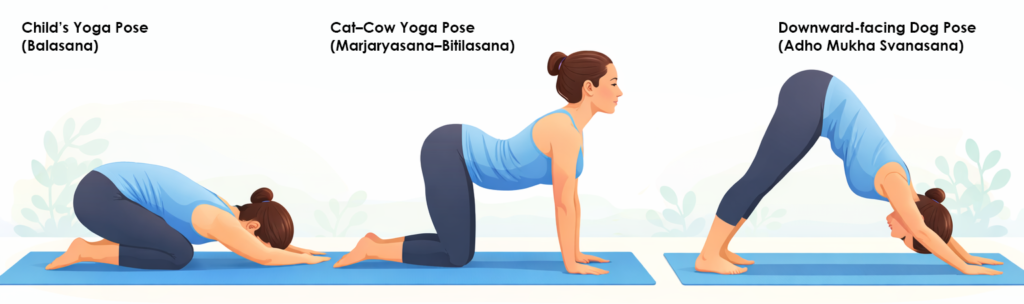
- Downward-Facing Dog (Adho Mukha Svanasana)
- Child’s Pose (Balasana)
- Standing Forward Bend (Uttanasana)
How they help:
These poses gently stretch the spine and surrounding muscles, helping release tension caused by prolonged sitting. Improved circulation supports muscle relaxation and gradual relief from back discomfort.
👉 Yoga bolster for back support
Yoga for Posture Improvement
Recommended Beginner Yoga Poses:
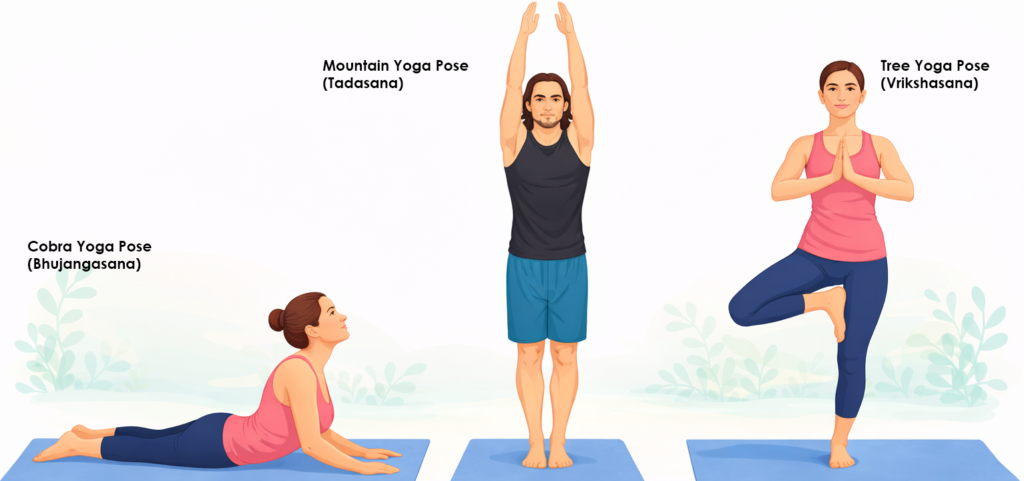
- Mountain Pose (Tadasana): Improves posture awareness by aligning the spine, shoulders, and hips, helping build a strong foundation for standing correctly.
- Warrior I: Strengthens the legs and core while opening the chest and hips, supporting better posture and spinal stability.
- Warrior II: Enhances posture by strengthening the lower body and encouraging proper alignment of the hips, shoulders, and spine.
- Tree Pose (Vrikshasana): Improves balance, core stability, and body awareness, helping maintain upright posture and coordination.
How they help:
These postures encourage proper alignment and strengthen muscles responsible for maintaining upright posture, helping reduce slouching over time.
Yoga for Body Stiffness
Recommended Yoga Poses:
- Downward-Facing Dog (Adho Mukha Svanasana): Stretches the spine, shoulders, hamstrings, and calves, helping release full-body stiffness and improve circulation.
- Standing Forward Bend (Uttanasana): Gently stretches the back, hips, and legs while easing tension in the spine and improving flexibility.
- Child’s Pose (Balasana): Relaxes the lower back, hips, and shoulders, helping calm the body and reduce muscle tightness.
- Cobra Pose (Bhujangasana): Improves spinal flexibility, opens the chest and shoulders, and reduces stiffness in the lower back.
How they help:
Gentle stretching helps loosen tight areas in the neck, shoulders, hips, and legs, gradually restoring flexibility and ease of movement.
👉 Yoga strap for flexibility support
Yoga for Limited Mobility
Recommended Yoga Poses:
- Cat–Cow Stretch (Marjaryasana–Bitilasana)
- Downward-Facing Dog (Adho Mukha Svanasana)
- Mountain Pose (Tadasana)
How they help:
These movements safely support joint mobility and improve range of motion, making daily movements smoother and more comfortable.
Important Note for Beginners
All poses should be practiced slowly, within a pain-free range, and with steady breathing. Using a supportive yoga mat or basic props can enhance comfort and stability during practice.
Using basic yoga props can improve comfort and safety for beginners.
You may consider a non-slip yoga mat, yoga blocks, or a yoga strap for added support.
👉 Non-slip yoga towel for better grip
Safe Practice Guidelines for Beginners
- Duration: Start with 10–15 minutes per session
- Frequency: Practice 4–5 days per week
- Pain-Free Movement: Avoid forcing any pose
- Breathing: Maintain calm, steady breaths
- Consistency: Gentle daily practice is more effective than occasional intense sessions
👉 Comfortable yoga clothing for beginners
Common Beginner Mistakes to Avoid
- Moving too quickly without control
- Ignoring discomfort or warning signals from the body
- Holding the breath during poses
- Forcing flexibility beyond current limits
- Practicing with poor alignment
- Being inconsistent with practice
Progress in yoga develops through patience, awareness, and regular practice, not speed or force.
Frequently Asked Questions (FAQs)
Q: When will beginners notice results?
Many beginners experience reduced stiffness within 1–2 weeks, while posture and flexibility typically improve over 4–6 weeks of consistent practice.
Q: Is beginner yoga safe for back discomfort?
Yes, when practiced gently and without pain. Individuals with severe conditions should adapt poses as needed.
Q: Is mild soreness normal?
Mild soreness can occur initially and usually fades as the body adapts. Sharp pain should be avoided.
Q: How long should beginners practice daily?
Starting with 10–15 minutes per day is sufficient, with gradual increases over time.
Q: Is equipment required?
A non-slip yoga mat is helpful, and yoga blocks can provide extra support if needed.
Q: How often should beginners practice weekly?
Practicing 4–5 days per week supports steady progress without overloading the body.
According to Yoga Journal, beginner yoga improves posture, flexibility, and daily movement when practiced consistently.
Conclusion
Sedentary lifestyles often contribute to posture issues, stiffness, and reduced mobility. Beginner-friendly yoga offers a gentle, effective solution to improve movement quality, flexibility, and overall body comfort. With consistent, mindful, and pain-free practice, yoga can support long-term posture improvement and healthier daily movement patterns.
View Recommended Products for Practice
Disclosure: This article may contain affiliate links. We may earn a small commission at no extra cost to you.

Ajay Jaswal is the founder of Fitness Dose Club, where he shares beginner-friendly guides on posture improvement, fitness training, and responsible supplement use. His goal is to make healthy living simple, practical, and safe for everyday people.