
Child’s Pose (Balasana): Stress Relief Yoga Pose

Understanding Child’s Pose in Yoga
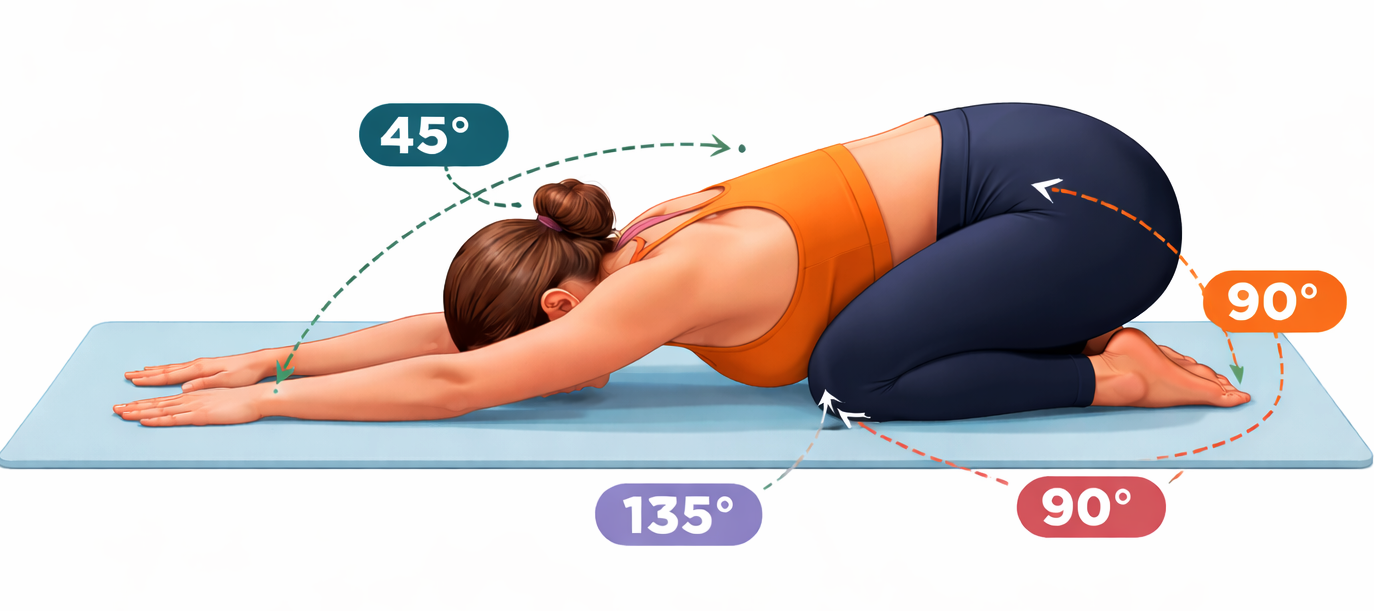
Child’s Pose (Balasana) is a basic yet effective yoga posture in which you sit on your heels, gently lean forward, and lower your forehead to the ground, allowing your body to relax. Focus on slow, deep breathing while holding the pose. You can keep your arms stretched forward or relaxed beside your body. It helps soothe the body, relax the muscles, and calm the mind’s activity.
It is a quick and simple yoga posture for beginners and experts to feel better and become more conscious. This guide will show you how to do Child’s Pose step by step. It is a simple and effective way to relax and refresh, whether during yoga practice or as a short break in your day.
Benefits of Child’s Pose in Yoga
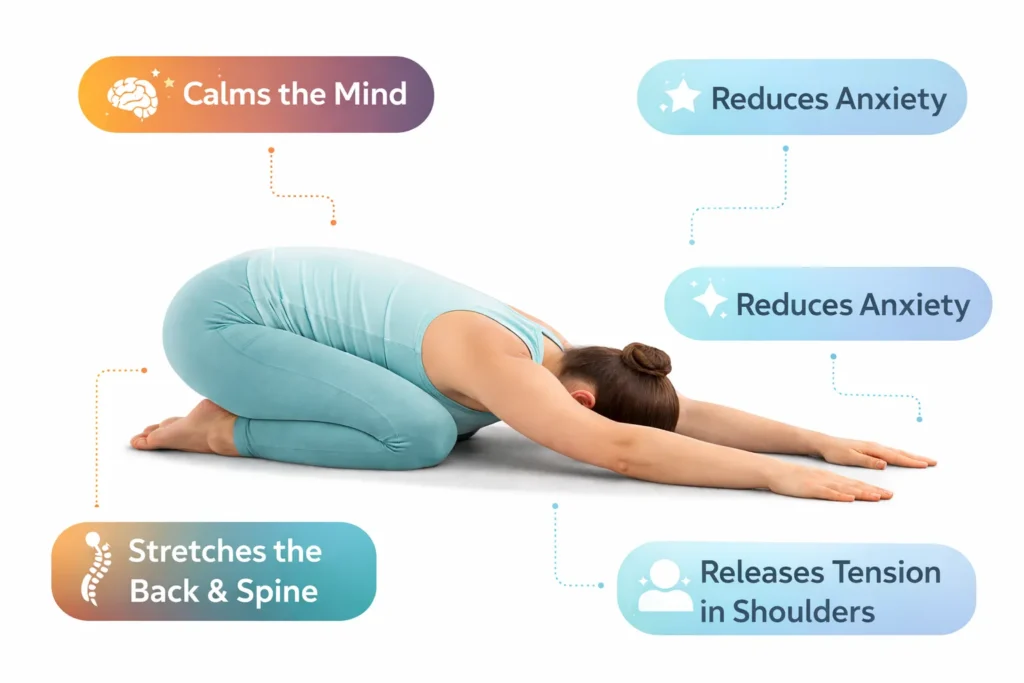
Child’s Pose may look simple, but it offers powerful benefits for both the body and mind:
● Gently Stretches the Body
Targets the lower back, hips, thighs, and shoulders.
● Improves Blood Circulation
Encourages better flow of oxygen throughout the body.
● Relieves Stress and Anxiety
It calms the nervous system and helps reduce mental pressure.
● Improves Posture
Relieves stiffness caused by long sitting hours.
● Promotes Deep Breathing
Helps slow down breathing and improve focus.
● Provides Instant Relaxation
Acts as a quick reset during yoga or daily life.
How to Do Child’s Pose Step by Step
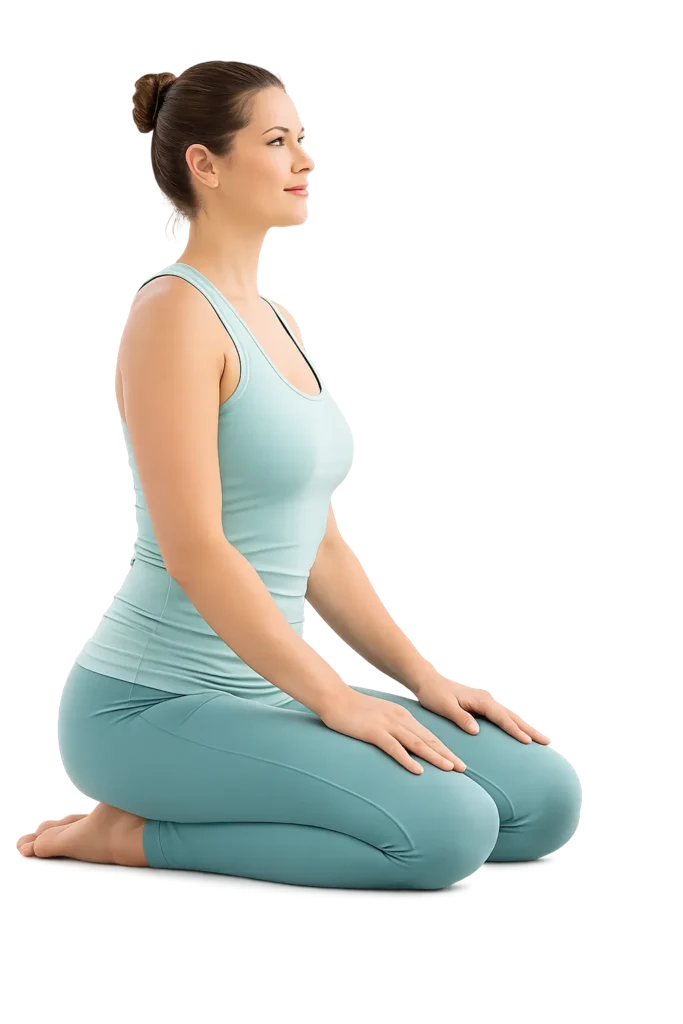
◇ Start on Knnes
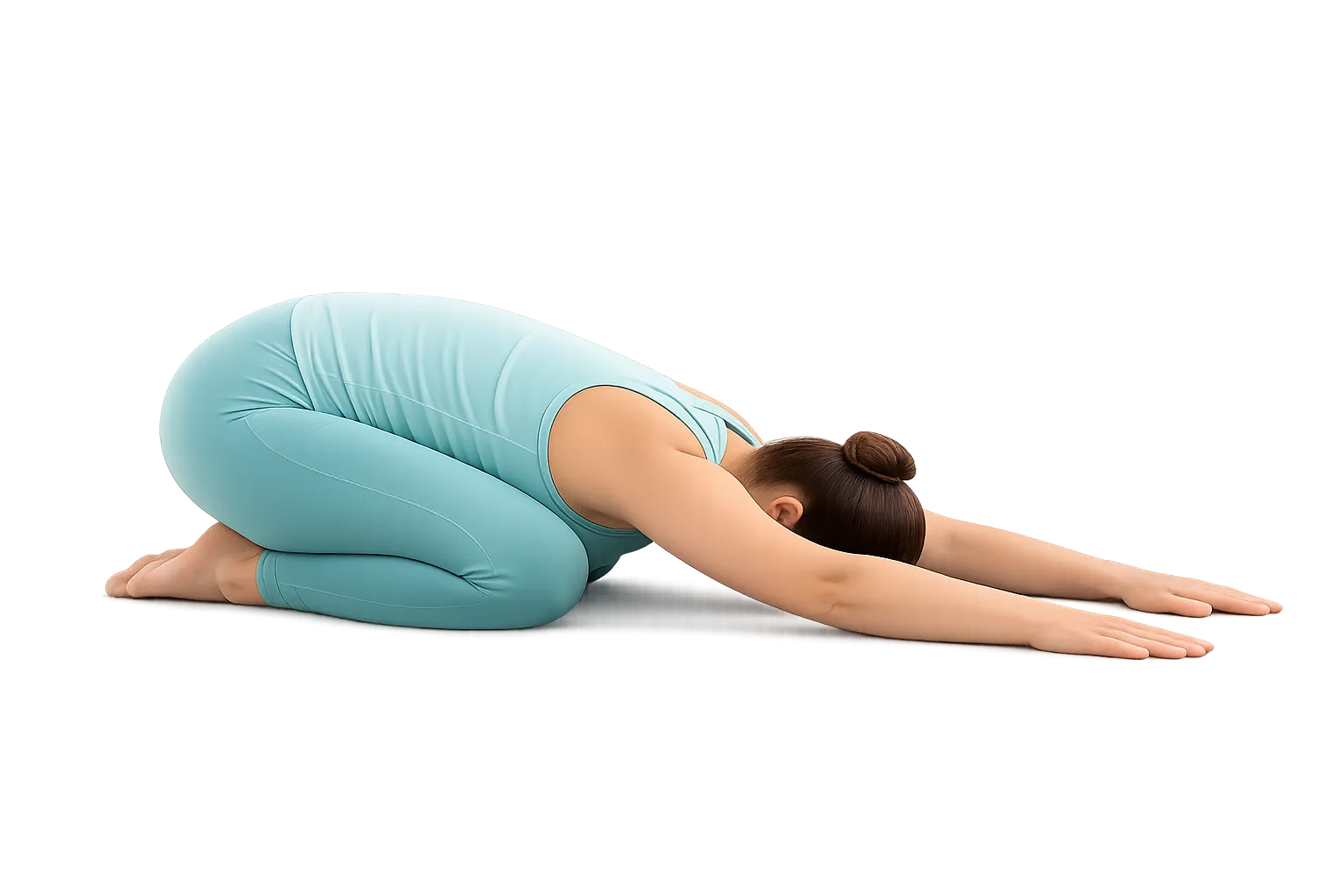
◇ Fold Forward
◇ Stretch Arms
Follow these simple steps to practice Child’s Pose correctly:
Step 1: Kneel down on the floor with your knees slightly apart.
Step 2: Sit back on your heels.
Step 3: Slowly bend forward and bring your forehead to the mat.
Step 4: Stretch your arms forward or keep them beside your body.
Step 5: Relax your shoulders and breathe deeply.
◇ Stay in this position for 30 seconds to 2 minutes.
While Child’s Pose is perfect for relaxation and recovery, combining it with other yoga poses can improve flexibility, posture, and overall strength.
Why Child’s Pose Is Important for Beginners
Child’s Pose is one of the most popular yoga poses. It provides a safe space to rest, recover, and build confidence during practice.
● A safe and easy pose that feels comfortable for all beginners
● Removes fear and pressure of doing poses perfectly
● Helps beginners focus on breathing and relaxation
● Releases tension from common problem areas like back and shoulders
● Acts as a resting point during yoga sessions
● Builds confidence and encourages consistency
How Child’s Pose Helps with Common Problems
1. Sleep Problems and Insomnia
The Problem:
Difficulty falling asleep, frequent night awakenings, and bedtime anxiety have become common due to stress, excessive screen time, and irregular routines. Poor sleep not only lowers energy levels but also affects mood, focus, and overall health.

How Child’s Pose Helps:
● Calms the nervous system by slowing the breath and heart rate
● Encourages physical stillness, helping the body relax
● Reduces racing thoughts and bedtime anxiety
2. Stress, Anxiety, and Mental Overload
The Problem:
Modern life keeps the mind constantly active. Stress, anxiety, emotional fatigue, and overthinking are very common today.

How Child’s Pose Helps:
● Helps the body shift into a relaxed state
● Slows down breathing and heart rate
● Reduces mental clutter and emotional tension
3. Neck and Shoulder Tension
The Problem:
Long hours of sitting, screen use, and poor posture often lead to stiffness and pain in the neck and shoulders.

How Child’s Pose Helps:
● Gently stretches the neck, shoulders, and upper back
● Releases built-up tension from prolonged sitting
● Improves posture over time
Avoid These Common Mistakes in Child’s Pose
● Forcing the hips down to the heels
● Holding the breath
● Tight shoulders and neck instead of letting them relax
● Ignoring pain or discomfort
When and How Often to Practice Child’s Pose
● Use during yoga sessions as a gentle resting pose
● Practice after long sitting periods to relieve stiffness
● Practice before bed for better sleep
● Try anytime you feel stressed or overwhelmed
Beginner Modifications and Variations of Child’s Pose
For Comfort and Support (Modifications)
● Support your forehead with a block or cushion to reduce neck strain
● Place a pillow or bolster between your thighs and chest for tight hips or back
● Use a folded blanket under your knees for added comfort
Neck Support
Back Relief
Knee Comfort
To Explore Different Styles (Variations)
● Extend your arms forward for a deeper stretch
● Rest your arms alongside your body for a more relaxing pose
● Move your hands to one side to stretch the sides of your body
Who Should Avoid Child’s Pose?
● Knee injuries
● Severe back pain
● Pregnancy (consult a professional)
Final Thoughts
Child’s Pose (Balasana) serves as a gentle reminder that calm and awareness are more important for yoga progress than intensity. Taking a few moments to pause in this pose can help you reconnect with your breath, release built-up tension, and restore balance in both the body and mind. Whether you’re starting your yoga journey or taking a break during practice, this simple pose offers a quick and effective way to reset and feel refreshed.
🌿 Become a Certified Yoga Teacher in Rishikesh
Start your journey with internationally recognized Yoga Teacher Training at Jiva Yoga Academy, perfect for beginners and aspiring professionals.
- ✔ 100 / 200 / 300 Hour Certified Courses
- ✔ Yoga Alliance Certification
- ✔ Expert & Experienced Teachers
- ✔ Career Opportunities After Completion
⭐ Trusted by students from 20+ countries
👉 Limited seats available — check details now!
Explore Yoga Teacher Training✔ Secure & official website | *This section may contain affiliate links*
Insight into Child’s Pose
Balasana
| Aspect | Details |
| Name | Sanskrit: Balasana |
| Origin | Ancient Indian yoga |
| Style | Hatha Yoga |
| Form | Fold → Rest → Relax |
| Purpose | Calm • Relax • Release |
Build Muscle Faster. Visit
Build strength, improve posture, and stay mobile with age.
Improve your flexibility with yoga
New to yoga? Start with our beginner guide.
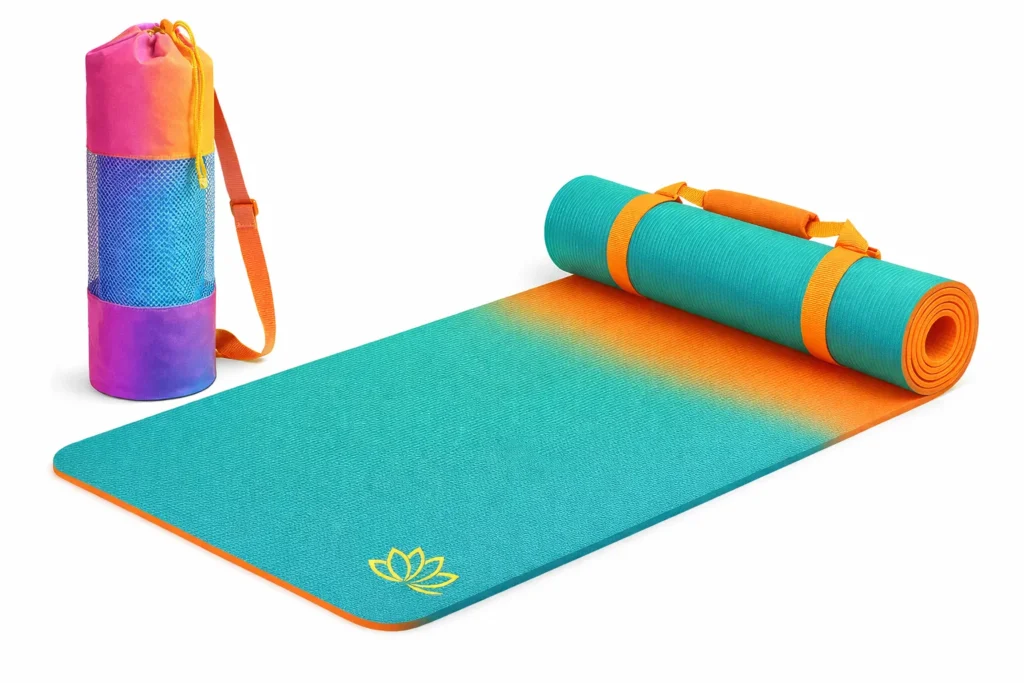
Recommended Yoga Props
FAQs
How long should beginners hold Child’s Pose?
Beginners can hold a child’s pose for 30 seconds to 2 minutes. As comfort and relaxation improve, the pose can be held longer while maintaining slow, steady breathing.
Can Child’s Pose help reduce stress and anxiety?
Yes, Child’s Pose helps calm the nervous system, slow the breath, and reduce mental tension. Regular practice supports relaxation and can help manage stress and anxiety naturally.
Is Child’s Pose helpful for back pain?
Child’s Pose gently stretches the spine and releases tension in the lower back. It is helpful for mild back discomfort, especially caused by prolonged sitting or poor posture. People with serious back conditions should practise with guidance.
Is Child’s Pose (Balasana) suitable for complete beginners?
Yes, Child’s Pose (Balasana) is one of the safest and most beginner-friendly yoga poses. It requires minimal flexibility, places very little strain on the body, and can be easily modified using cushions or blocks for comfort.
When should Child’s Pose be avoided or modified?
Child’s Pose should be avoided or modified if you have the following:
• Recent knee injuries
• Severe hip or ankle pain
• Pregnancy (without proper modification)
Can I practice Child’s Pose before sleeping?
Absolutely. Practising Child’s Pose before bedtime can help relax the body and mind, making it easier to unwind and prepare for restful sleep.

Boost
Your Flexibility
with the Right Tools
Beginner Yoga Accessories
Disclaimer: This content is for informational purposes only. Please consult a qualified yoga instructor or healthcare professional before practicing yoga, especially if you have any medical conditions or injuries.
Disclosure: This page may contain affiliate links. If you choose to purchase or enrol through these links, we may earn a small commission at no extra cost to you.

Ajay Jaswal is the founder of Fitness Dose Club, where he shares beginner-friendly guides on posture improvement, fitness training, and responsible supplement use. His goal is to make healthy living simple, practical, and safe for everyday people.