
Build Muscle Fast with These 5 Beginner Exercises







Muscle Building Guide for beginners
Want to Build Muscle Fast as a Beginner? Start Here
The human body is an incredible biological system. It should be kept healthy and well-maintained. Your success in building muscle depends on your dedication, discipline, and determination. If your goal is to build muscle and achieve a physique that is healthy, strong, muscular, and visually impressive, where your muscles are not just bigger but also stronger, well-defined, and balanced, then this article will guide you toward that transformation.
This muscle building guide is designed for beginners who want to gain strength and build lean muscle safely at home. Learn basic workouts, protein intake fundamentals, and smart training habits to build a strong foundation.
Before starting muscle building, it’s important to understand the basics. You should know what muscles are and how they grow, whether you are training at the gym or at home. You need to learn the right techniques, how many reps to perform, and the correct form for each exercise to avoid injury and get better results.
To build muscle effectively, you should follow progressive overload, which means gradually increasing weight, reps, or intensity over time. Rest and recovery are equally important, as muscles grow when you give them time to recover. Consistency is key, so following a regular workout routine will give better results over time.
Along with training, your diet also plays a key role. You should know how much protein, carbohydrates, vitamins, and minerals your body needs daily to support muscle growth and recovery. Staying hydrated also helps improve performance and recovery. Building muscle takes time, so be patient and focus on steady progress instead of quick results.
Building muscle takes time, so stay patient and focus on slow progress instead of quick results.
My Experience (15 Years Journey)
When I first stepped into the gym about 15 years ago, I was completely confused. I had no idea which exercises to do or how to perform them correctly. At that time, trainers didn’t guide much and mostly just covered the basics.
After about two weeks, I started copying what others were doing, attempting shoulder workouts and bench presses. However, because my form was wrong, I ended up straining my muscles and felt a lot of pain. I vividly remember feeling frustrated and wondering, “Who is actually going to guide me and show me the right way?“
That frustration led me to start researching muscle health and beginner tips online. I didn’t just read online, I also spent time with experienced people in the gym, asked questions, and tried to understand things properly. I even talked to dieticians and experienced bodybuilders to learn what to eat, what to avoid, and how diet actually affects muscle growth.
For supplements, I didn’t just follow others. I took time to understand what is good, what is not, and researched things properly before using anything.
Now, 15 years into my fitness journey, I dedicate my time to guiding beginners for free. My goal is to ensure they don’t repeat the same mistakes I made and can progress safely without injuries.
So, if you’re just starting out, my advice is simple: don’t rush. Focus on mastering your form, learn the basics, and never blindly copy what someone else is doing. Taking it slow is the best way to avoid injuries and stay on track.
A.Jaswal
15+ Years Fitness Experience
What You’ll Learn in This Guide
Muscle building basics for beginners
Simple strength exercises (home & gym)
Protein and nutrition fundamentals
Beginner-friendly fitness tools
Muscle Building Basics for Beginners
Muscle building works by applying progressive stress to muscles, allowing them to recover and grow stronger.
Beginners should focus on correct form, consistency, and gradual progress instead of heavy weights.
Key principles:
• Progressive overload (slow increase)
• Proper rest & recovery
• Balanced nutrition
What Are Muscles?
Muscles are tissues that help the body move by contracting and relaxing. In fitness, we mainly focus on skeletal muscles, which are attached to your bones. When you train them regularly, they grow stronger and bigger over time.
To begin with, it’s important to understand that the human body is a complex system that works efficiently through the coordination of different organs and systems.
The main organs and systems of the human body include:
| Body Systems | Main Organs of Each System |
| Nervous System | Brain, spinal cord, nerves |
| Circulatory System | Heart, blood, blood vessels (arteries, veins, capillaries) |
| Respiratory System | Lungs, trachea, bronchi, diaphragm |
| Digestive System | Mouth, esophagus, stomach, intestines, liver, pancreas |
| Muscular System | Skeletal muscles, smooth muscles, cardiac muscles |
| Skeletal System | Bones, joints, cartilage, ligaments |
| Excretory System | Kidneys, ureters, bladder, urethra |
| Endocrine System | Pituitary gland, thyroid, adrenal glands, pancreas |
| Integumentary System (Skin) | Skin, hair, nails, sweat glands |
| Sense Organs | Eyes, ears, nose, tongue, skin |
How Muscles Grow
Muscles grow when exercise creates small tears in muscle fibers. When your body repairs them, they become stronger and bigger. Proper training, rest, and good nutrition are essential for muscle growth.
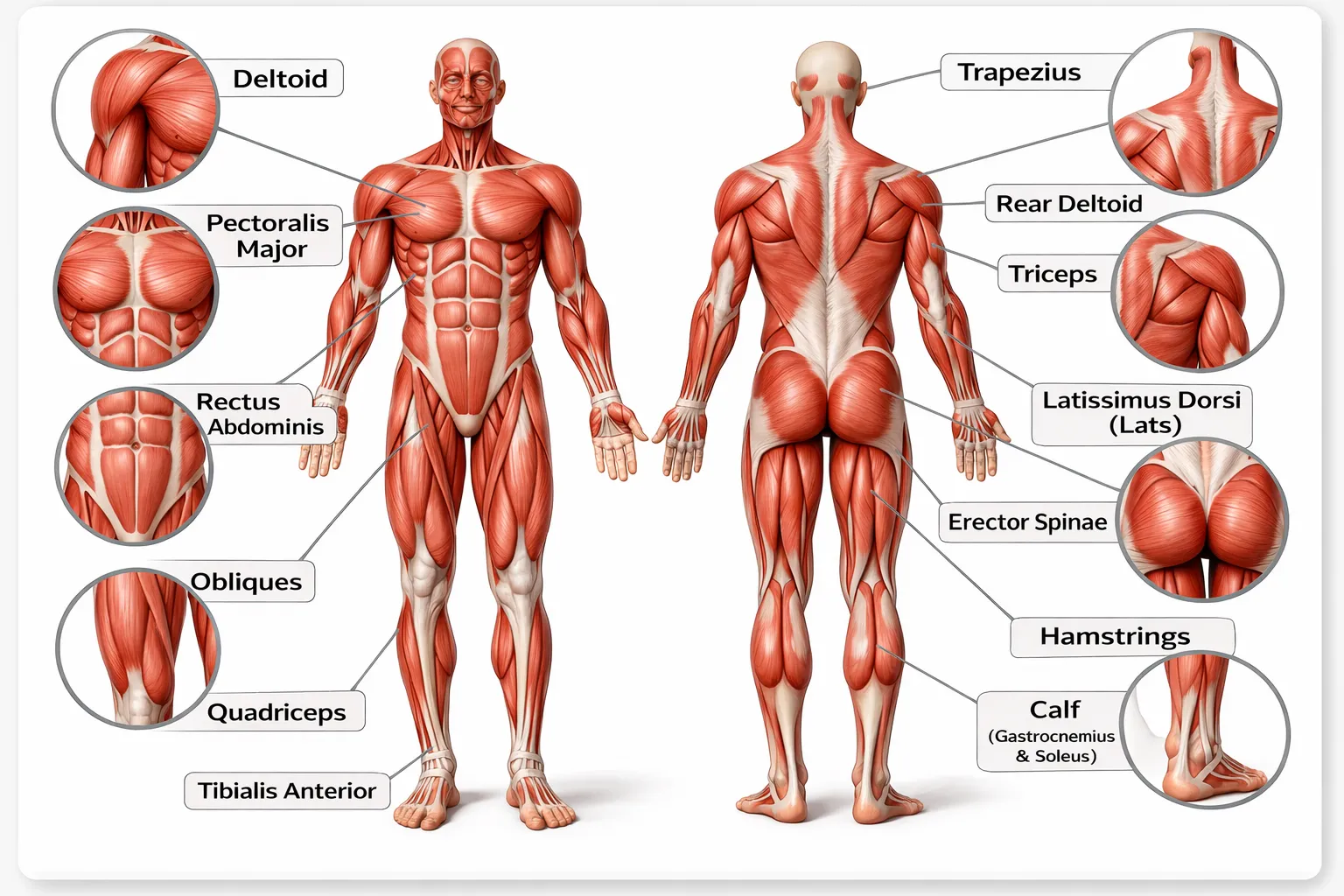
Major Muscle Groups of the Human Body
| Muscle Name | Body Part |
| Pectoralis Major | Chest |
| Deltoid | Shoulders |
| Biceps | Arms (Front) |
| Triceps | Arms (Back) |
| Forearm Muscles | Forearms |
| Rectus Abdominis | Abs |
| Obliques | Side Abs |
| Trapezius | Upper Back |
| Latissimus Dorsi (Lats) | Mid Back |
| Erector Spinae | Lower Back |
| Quadriceps | Thigh (Front) |
| Hamstrings | Thigh (Back) |
| Gluteus Maximus | Glutes |
| Gastrocnemius & Soleus | Calves |
| Tibialis Anterior | Shin |
Reps & Sets Guide
Reps are the number of times you perform an exercise, and sets are how many rounds you complete. Beginners can start with 8–12 reps and 2–3 sets for each exercise, focusing on proper form and control.
Reps and sets are not just numbers, they are the foundation of muscle growth. When you perform an exercise, your muscles experience controlled stress, leading to tiny muscle fiber damage. During recovery, the body repairs these fibers, making them stronger and bigger over time. This process is known as muscle growth (hypertrophy).
Proper Form Basics
Proper form means doing exercises correctly to avoid injury and get better results. Start with lighter weight, move in a controlled way, and focus on correct body position instead of lifting heavy.
Focus on control, not weight
Keep your posture correct
Don’t rush your reps
Stop if you feel pain
Beginner Diet Basics
Diet is key for muscle building. Focus on protein, carbohydrates, and healthy fats. Eat balanced meals, stay hydrated, and use simple home foods instead of relying on expensive diets.
Warm-Up Before Muscle Workout
Whenever you start a workout, whether in the gym, at home, or on the ground it is essential to warm up your body first. Warming up helps activate your muscles, increase your heart rate, and prepare your body for exercise, reducing the risk of injury or physical problems.
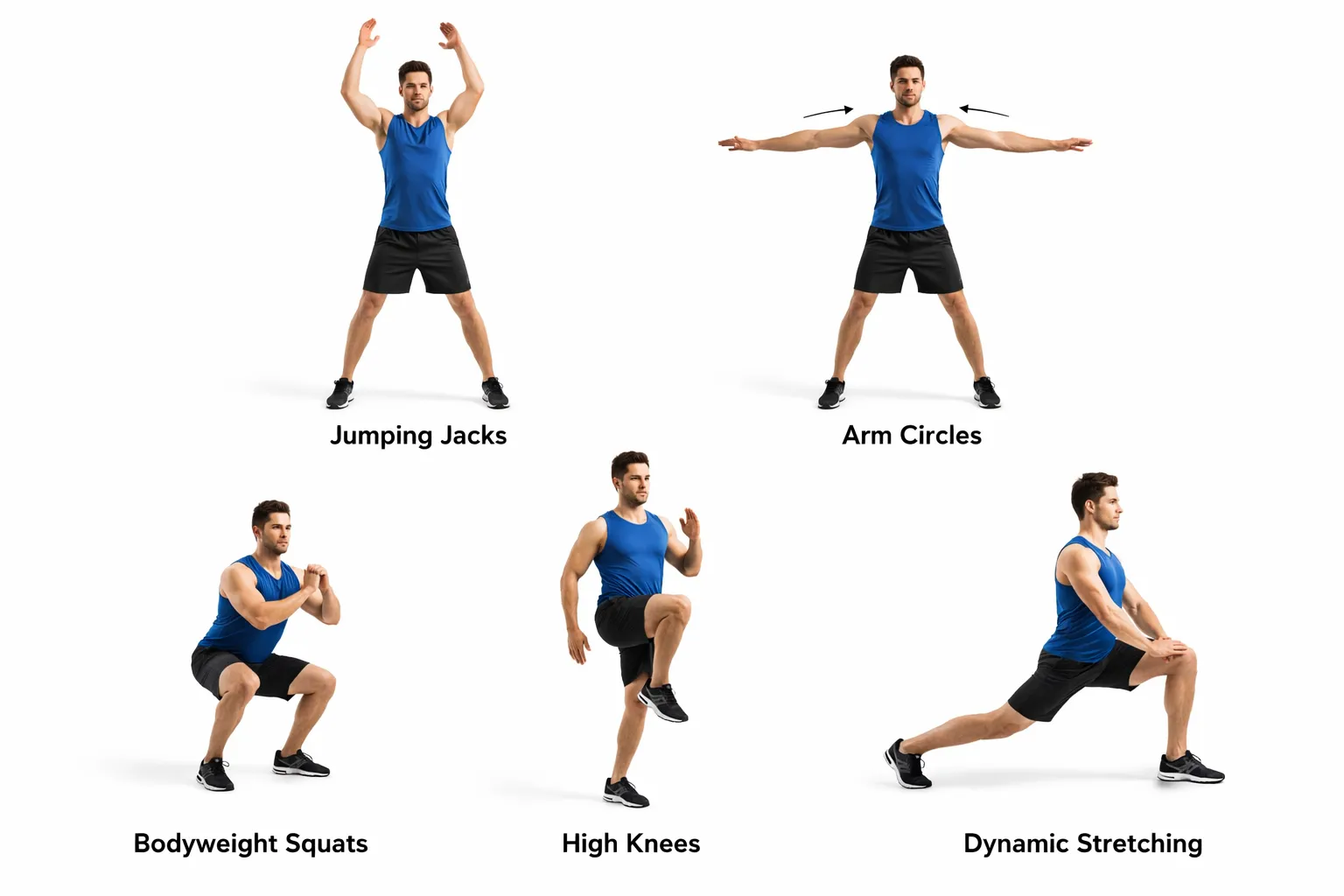
Simple movements like jumping jacks, arm circles, squats, and high knees gradually bring your body into action. Dynamic stretching is also one of the best warm-up methods, as it improves flexibility and ensures your muscles are ready for proper movement. A good warm-up not only prevents injuries but also improves your overall workout performance.
If you feel stiffness or discomfort in your spine, adding gentle yoga exercises like Cat-Cow Pose, Child’s Pose, and Cobra Pose can be highly beneficial. These movements help improve spinal flexibility, release tension, and promote better posture, making your body feel more relaxed and ready for exercise. A proper warm-up not only protects you from injuries but also enhances your overall workout performance, helping you train more effectively and safely.
5 Simple Strength Exercises for Beginners
Bodyweight squats
How to Do It:
• Stand with your feet shoulder-width apart
• Keep your chest up and back straight
• Bend your hips and knees to lower down
• Push through your heels to return to standing
Recommended Reps: 2–3 sets of 10–15 reps
Benefits: Builds leg strength, improves balance, and supports muscle growth
Pro Tip: Move slowly and focus on proper form for better results

Shoulder Press (Dumbbell)
How to Do It:
• Keep your back straight and core tight
• Hold dumbbells at shoulder height
• Press the weights upward until your arms are fully extended
• Lower the weights slowly back to the starting position
Recommended Reps: 2–3 sets of 8–12 reps
Benefits: Strengthens shoulders, Builds upper arm muscles, Improves overall upper body strength
Pro Tip: Start with light weights and focus on controlled movement

Push-ups / wall push-ups
How to Do It:
• Keep your body straight from head to heels
• Place your hands slightly wider than shoulder-width
• Lower your chest toward the floor
• Push back up with control
Recommended Reps: 2–3 sets of 8–15 reps
Benefits: Builds chest strength, Strengthens arms and shoulders, Engages core muscles
Pro Tip: Beginners can start with wall push-ups for better control

Dumbbell bicep curls
How to Do It:
• Keep your elbows close to your body
• Hold dumbbells with your arms at your sides
• Curl the weights up toward your shoulders
• Lower slowly back to the starting position
Recommended Reps: 2–3 sets of 10–15 reps
Benefits: Builds bicep strength, Improves arm definition, Supports upper body strength
Pro Tip: Avoid swinging your body—use slow, controlled movements

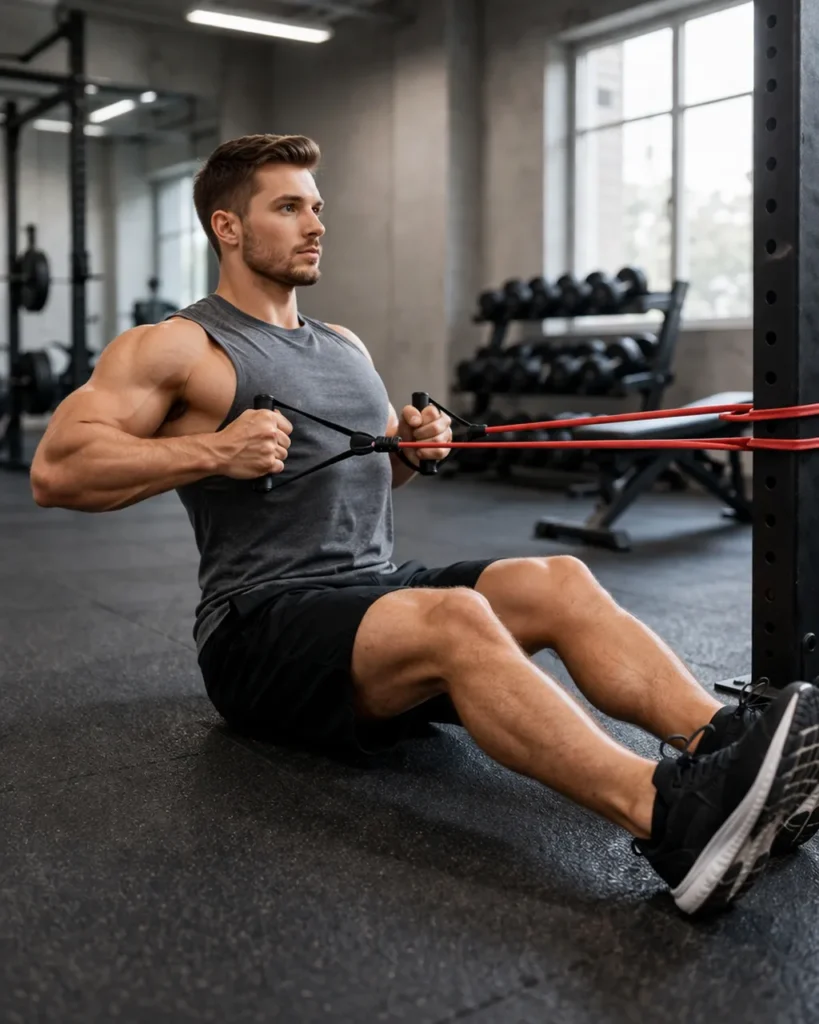
Resistance band rows
How to Do It:
• Secure the resistance band at chest height
• Hold the handles with your arms fully extended
• Pull the band toward your body while squeezing your shoulder blades
• Slowly return to the starting position
Recommended Reps: 2–3 sets of 10–15 reps
Benefits: Strengthens upper back muscles, Improves posture, Supports shoulder stability
Pro Tip: Keep your chest up and avoid rounding your back
Train 3–4 days per week.
Start with light weights and focus on form.
Beginner Muscle Building Workout & Diet Plan
Beginner Muscle Building Exercise Plan (Result Oriented)
| Day | Gym Workout | Exercises |
| Day 1 | Chest + Triceps | Push-ups (3×10), Bench Press (3×8), Dips (3×10) |
| Day 2 | Back + Biceps | Pull-ups (3×8), DB Row (3×10), Curls (3×10) |
| Day 3 | Rest, Light Cardio | Light Cardio |
| Day 4 | Legs + Shoulders | Squats (3×10), Lunges (3×10), Shoulder Press (3×8) |
| Day 5 | Full Body | Deadlift (3×6), Push-ups (3×12), Plank (30s ×3) |
| Day 6 | Rest | Recovery |
| Day 7 | Rest | Recovery |
| Repeat this plan weekly and improve gradually. |
Beginner Muscle Gain Diet Plan (Table Format)
| Time | Meal | Food Items |
| Morning | Empty Stomach | almonds + Warm water |
| Breakfast | High Protein | Eggs, Paneer + oats + banana |
| Mid-Morning | Snack | Fruit + peanut butter |
| Lunch | Balanced Meal | Roti, Rice + dal + chicken, paneer |
| Pre-Workout | Energy | Banana + coffee |
| Post-Workout | Recovery | Eggs, protein + banana |
| Dinner | Light Protein | Roti + sabzi + paneer, chicken |
| Before Bed | Recovery | Milk |
Safety Tips for Beginners
• Warm up before workouts
• Maintain correct posture
• Avoid overtraining
• Rest at least 1–2 days per week
Protein & Nutrition Basics
Protein helps repair and grow muscles after workouts.
Beginners should aim for balanced meals instead of extreme diets.
Good protein sources:
• Eggs
• Milk / curd
• Dal & paneer
• Nuts & seeds
Stay hydrated, Eat enough calories, Avoid skipping meals
Conclusion
Building muscle as a beginner does not require heavy weights or complicated routines. By following this muscle building guide, you can develop strength safely with simple exercises, proper nutrition, and consistent training habits. Focus on correct form, gradual progress, and enough rest to avoid injuries. Stay patient, train regularly, and you will build a strong foundation for long-term fitness success.
This muscle building guide for beginners is ideal for home workouts and safe strength training
Start Strong Today
Simple Diet That Works
Best Shoulder Exercises for Beginners
Better flexibility? Try Yoga for Beginners
For better muscle growth and recovery, proper nutrients matter — see this guide.
Frequently Asked Questions
Can beginners build muscle at home without gym equipment?
Yes. Beginners can build muscle at home using bodyweight exercises like squats, push-ups, and resistance band workouts. Consistency and proper form matter more than equipment.
Do I need protein supplements to build muscle?
No. Protein supplements are optional. You can get enough protein from foods like eggs, milk, dal, paneer, nuts, and seeds if your meals are balanced.
How many days a week should beginners train for muscle building?
Beginners should train 3–4 days per week. This allows muscles enough time to recover while still making steady progress.
Should beginners train every day?
No. Muscles grow during rest. Beginners should include 1–2 rest days per week for recovery and better results.
Is muscle building safe for beginners?
Yes, muscle building is safe when beginners focus on light weights, correct posture, proper warm-up, and rest days to avoid injury.
How long does it take to see muscle-building results?
Most beginners notice strength improvements in 2–3 weeks and visible muscle changes in 6–8 weeks, with regular training and proper nutrition.
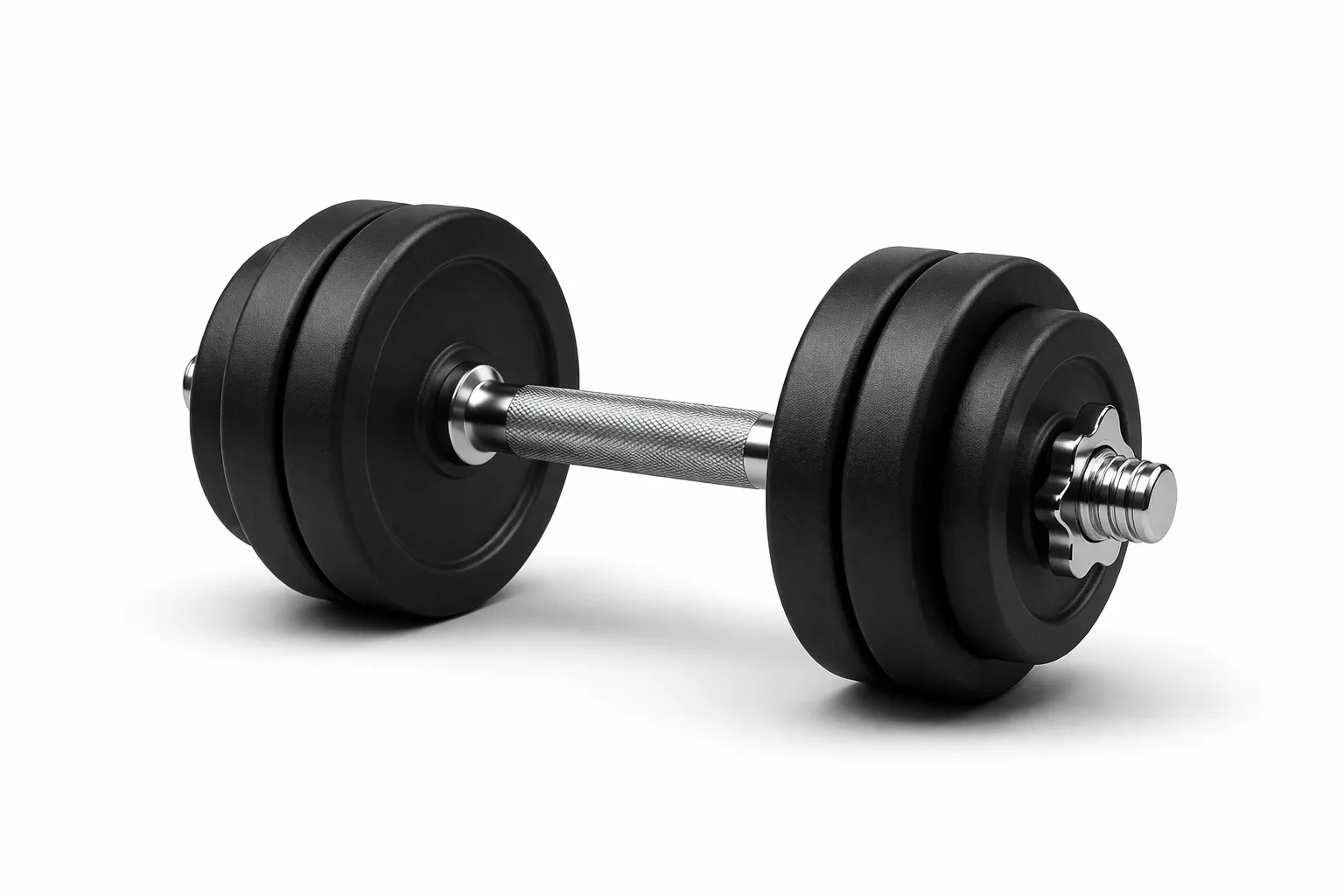
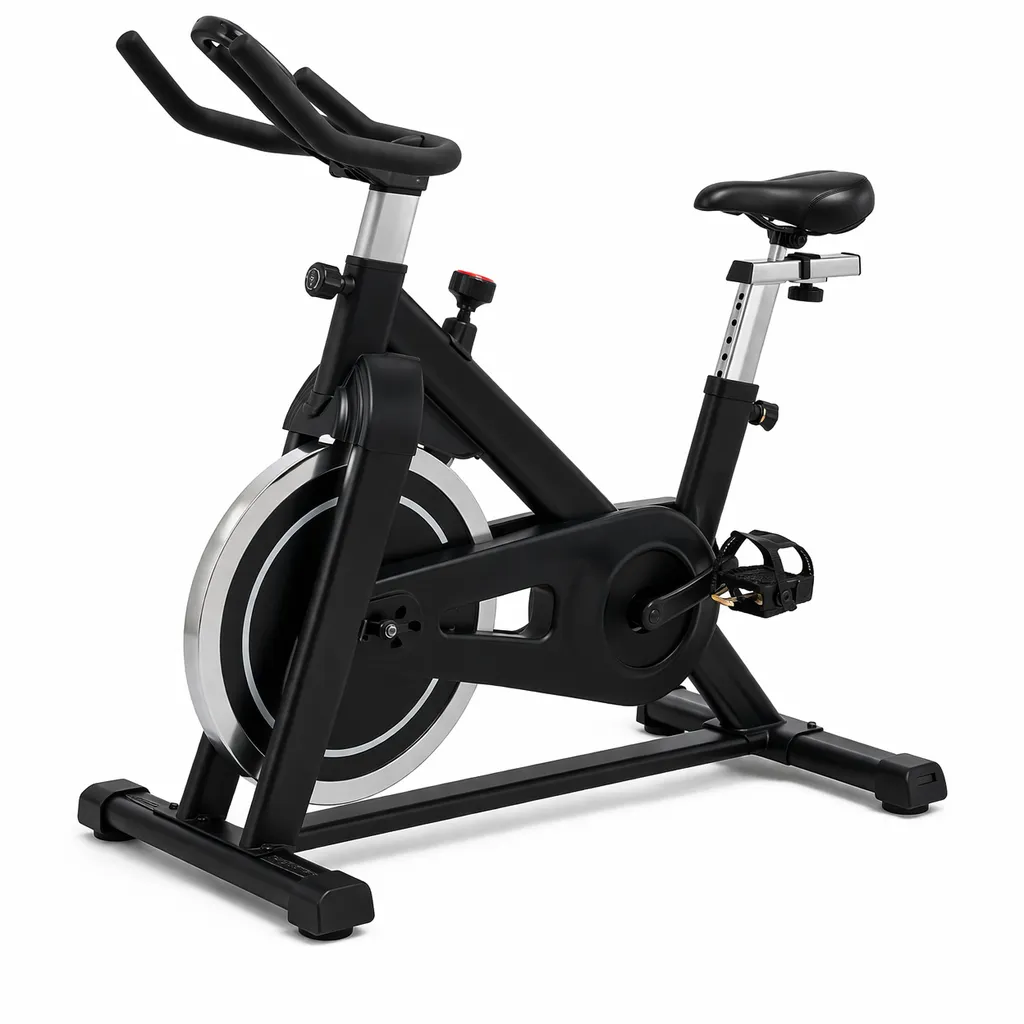
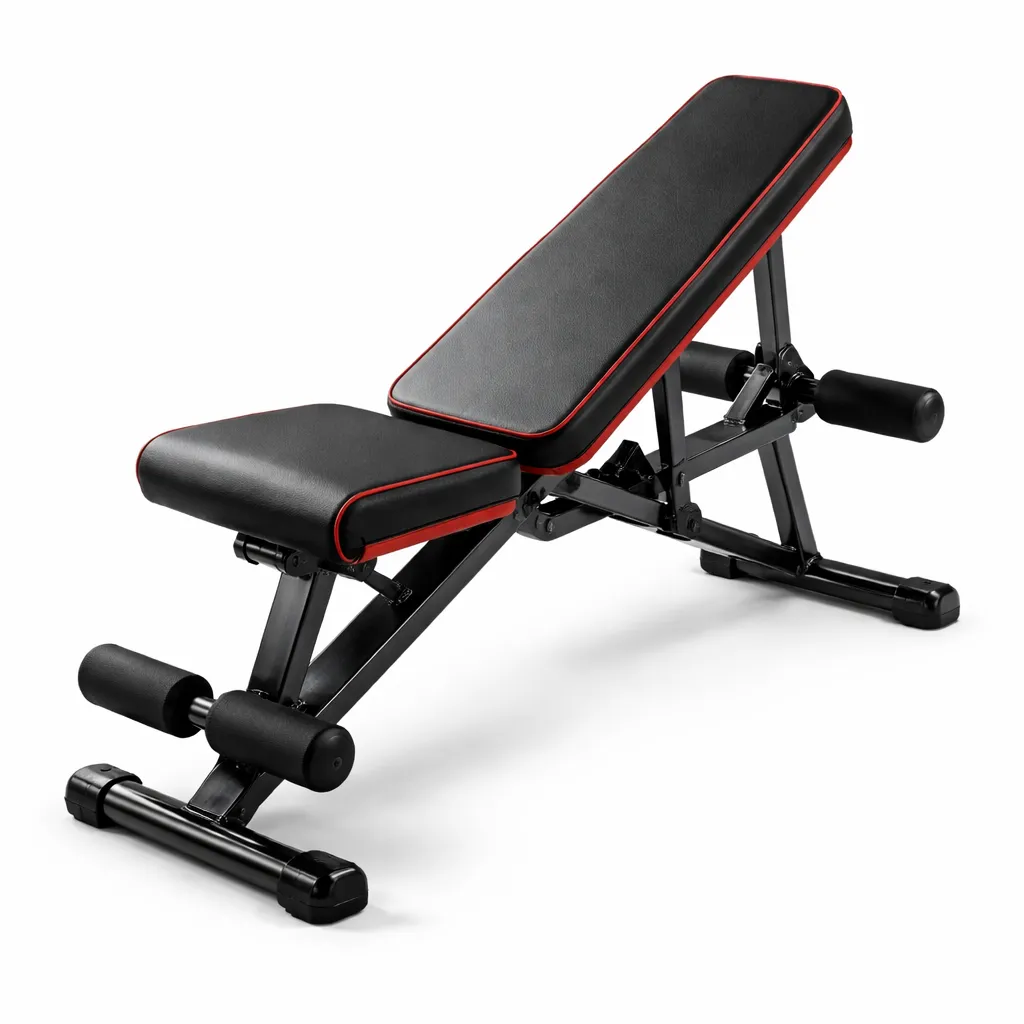
Recommended Tools for Muscle Building




Affiliate Disclosure: This content is for informational purposes only and is not intended as medical advice. Always consult a qualified healthcare professional before starting any exercise or diet program. Results may vary. Exercise involves risk of injury, so perform all activities at your own risk. Some links may be affiliate links, and we may earn a commission at no extra cost to you.