
5 Best Cable Machine Rope Shoulder Exercises for Beginners

Introduction
Shoulder training is an important part of building upper body strength. Strong shoulders not only support arm and chest movements but also help improve overall posture and stability. For beginners, starting a shoulder workout can feel confusing because gyms offer many types of equipment and exercise options.
In modern gyms, cable machines are widely used for shoulder training. By attaching a rope handle to the cable machine, you can perform several effective shoulder exercises. Rope exercises are especially helpful for beginners because they provide controlled movement and constant tension.
Another advantage of cable rope training is that it helps isolate different parts of the shoulder muscles. This allows beginners to gradually build strength while improving their exercise form and control.
In this guide, we will explain five of the best rope shoulder exercises for beginners that can be performed using a cable machine. These exercises help train the front, side, and rear deltoid muscles, making them a safe and effective option for beginner shoulder workouts.
5 Best Cable Rope Shoulder Exercises for Beginners
Using a rope attachment on a cable machine allows beginners to perform several shoulder exercises. The following exercises target different shoulder muscles and help create a balanced workout routine.
Rope Face Pull
Rope face pull helps strengthen the rear deltoids and upper back, which improves shoulder stability and posture.
Attach a rope to a cable machine and set the pulley at face height. Stand facing the machine and hold the rope with both hands.
Pull the rope toward your face while keeping your elbows slightly higher than your hands. The rope should move straight toward the face at a horizontal angle, not downward.
Focus on pulling the elbows back and squeezing the shoulder blades at the end of the movement.
How to Practice:
Aim for 3 sets of 10–12 reps,
maintaining proper form throughout.
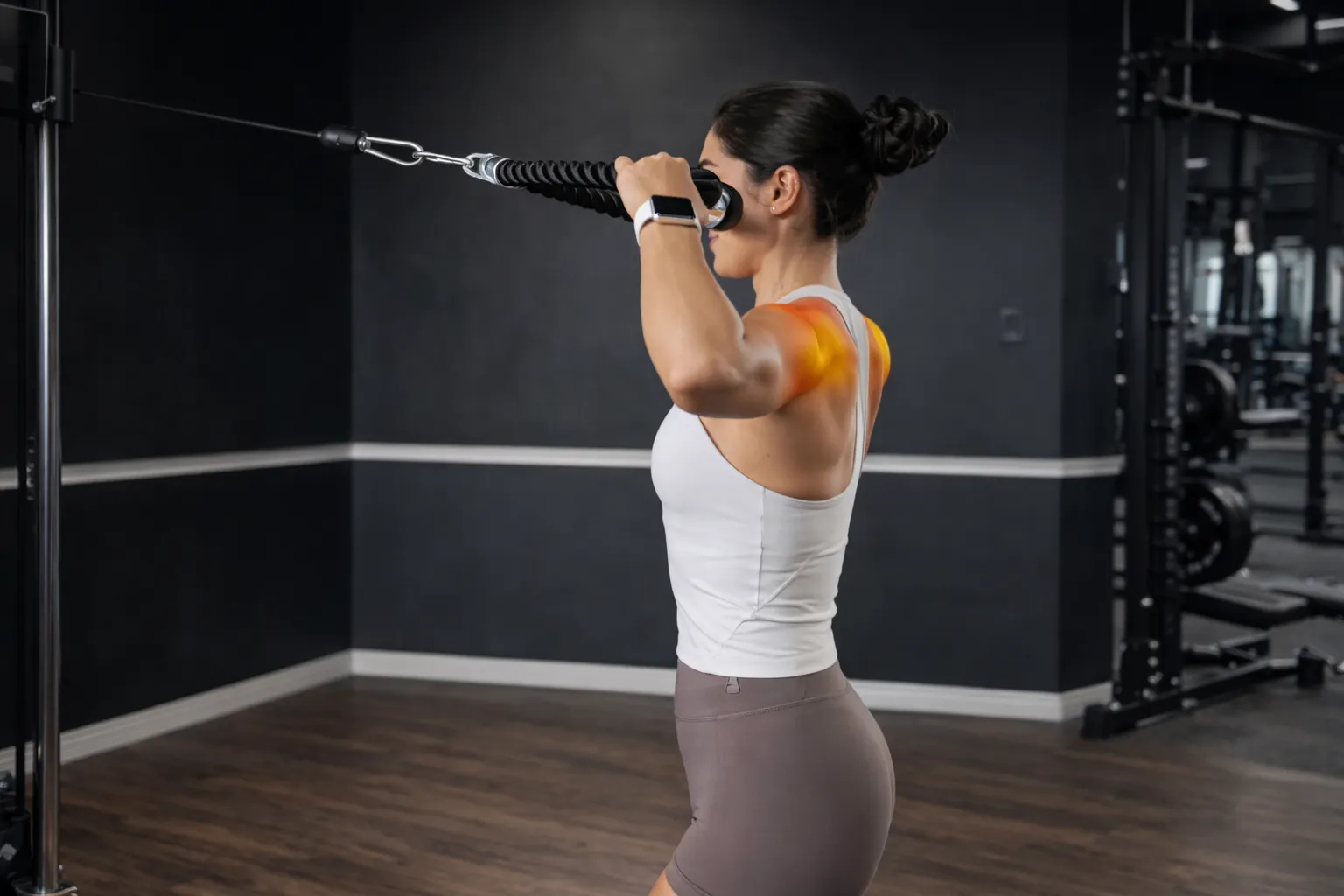
Rope Face Pull
| Exercise | Cable Position | Pull Direction | Main Muscle |
| Face Pull | Upper | Towards the face | Rear delt + upper back |
Rope Front Raise
The rope front raise focuses on the front deltoid muscles of the shoulders. In this exercise, the rope is attached to a low cable machine and lifted upward in front of the body.
The front deltoid muscles play an important role in pushing movements such as bench presses and overhead presses.
Rope front raises provide a controlled movement that helps beginners strengthen their shoulder muscles gradually. Beginners should start with light weight and raise the rope only to shoulder height to maintain proper form.
How to Practice:
Complete 3 sets,
with 10–12 reps in each set.
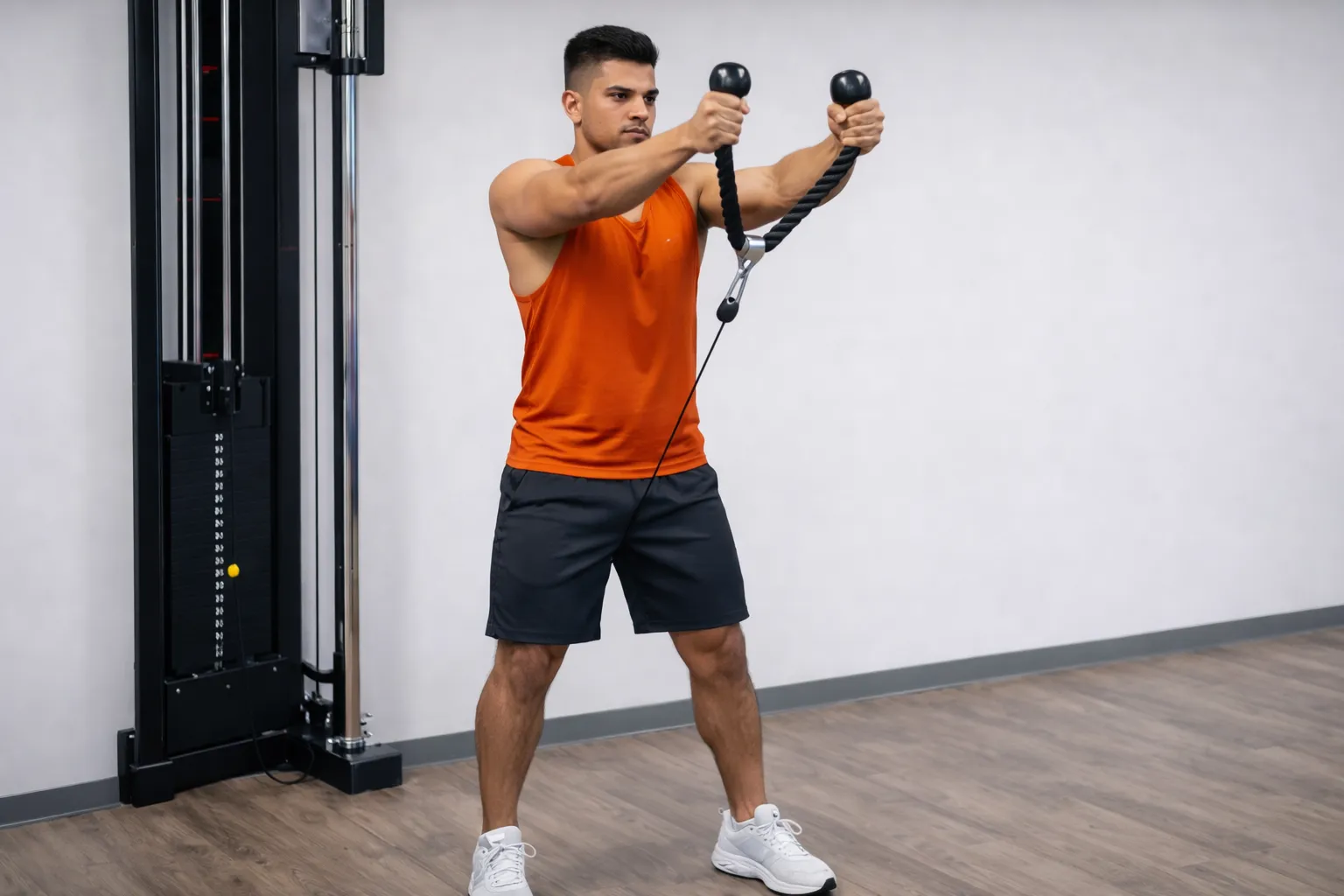
Rope Front Raise
| Exercise | Cable Position | Pull Direction | Main Muscle |
| Rope Front Raise | Low Pulley | Forward Upward (to shoulder level) | Front Delts (Shoulders) |
Rope Upright Row
The rope upright row is an effective exercise for training the shoulders and trapezius muscles. In this movement, the rope attachment is pulled upward toward the chest while keeping the elbows slightly higher than the hands.
This exercise mainly targets the side deltoid muscles, which help create broader and stronger shoulders.
Rope upright rows can help beginners build shoulder strength while improving muscle activation. When performing the exercise, it is important to keep the movement controlled and avoid lifting the weight too quickly.
How to Practice:
Aim for 3 sets of 10–12 reps,
maintaining proper form throughout.
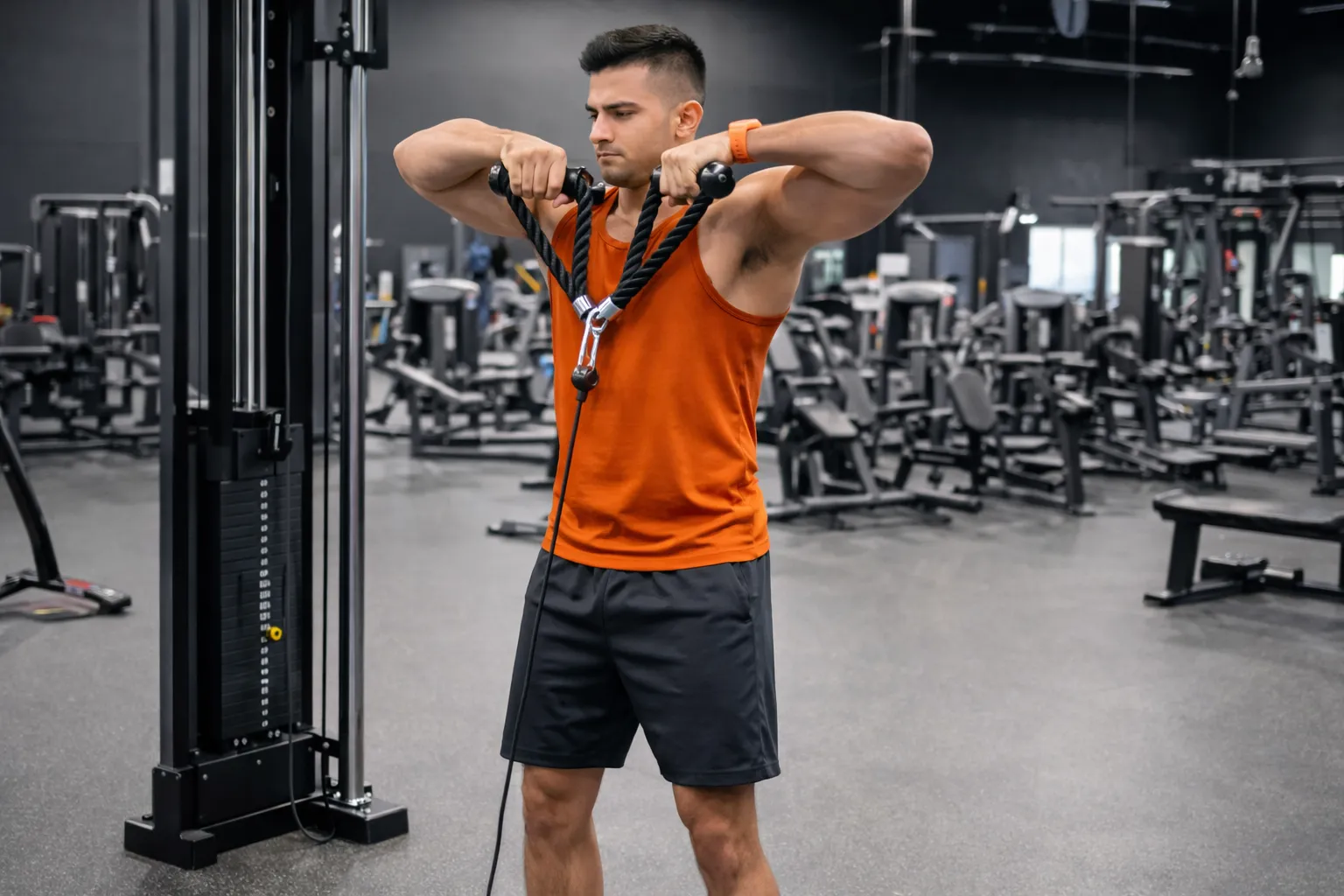
Rope Upright Row
| Exercise | Cable Position | Pull Direction | Main Muscle |
| Rope Upright Row | Low Pulley | Upward (toward upper chest) | Shoulders + Traps |
Rope Lateral Raise
The rope lateral raise is an effective exercise that targets the side deltoid muscles, helping build wider and stronger shoulders. It also improves coordination and control between the shoulder and upper arm muscles.
Attach a rope to a cable machine set at hand height and stand sideways to the machine. Hold the rope with one hand and keep your arm slightly bent.
Raise your arm out to the side until it reaches shoulder height. The movement should follow a sideward upward angle, keeping it controlled without swinging.
Perform the movement with one arm, then switch to the other side.
How to Practice:
Complete 3 sets,
with 10–12 reps in each set.
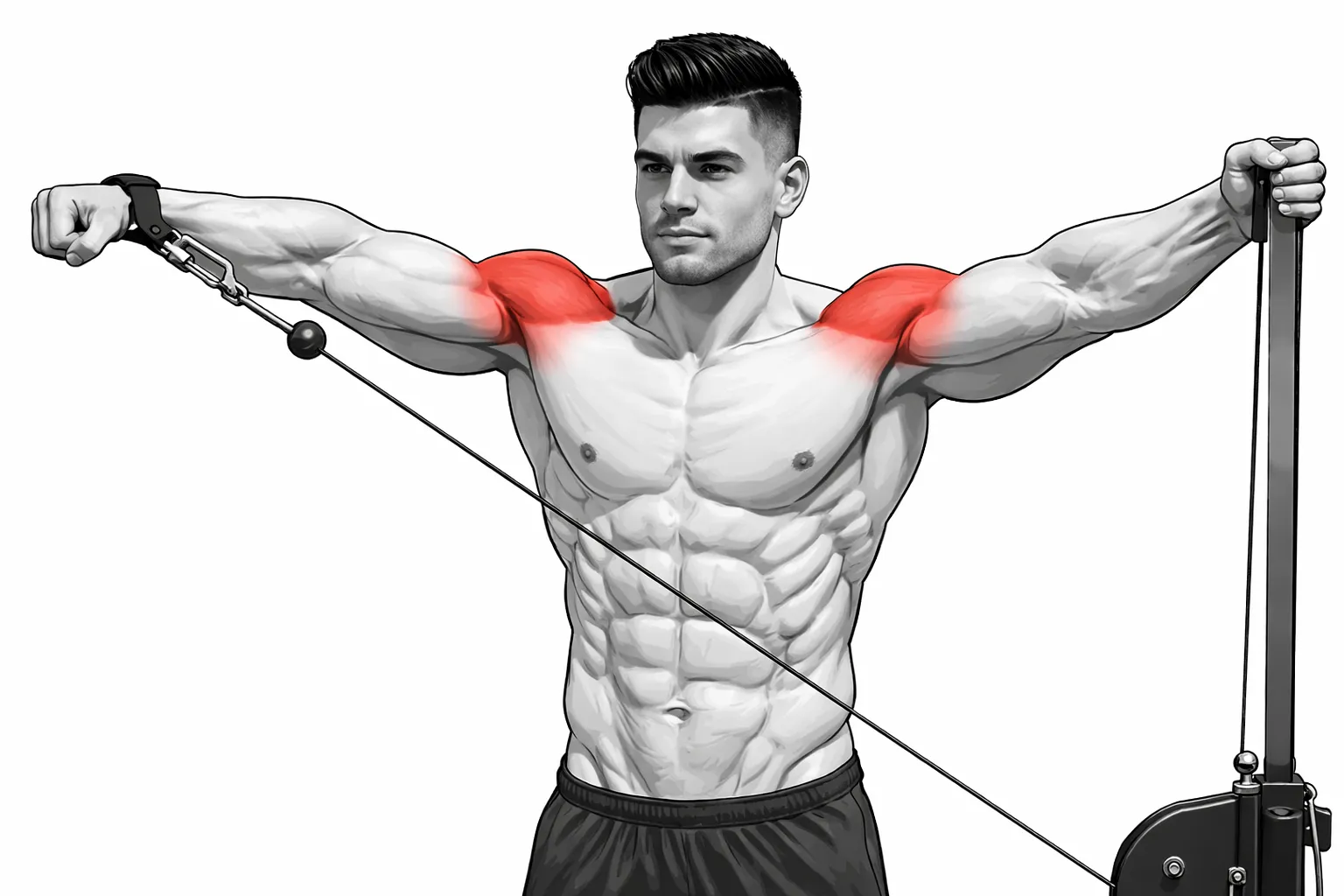
Rope Lateral Raise
| Exercise | Cable Position | Pull Direction | Main Muscle |
| Rope Lateral Raise | Hand Height / Mid Pulley | Sideward Upward (to shoulder level) | Side Deltoid (Lateral Shoulder) |
Rope Rear Delt Pull
Rope rear delt pull targets the rear deltoid muscles, which help maintain shoulder balance and improve posture.
To perform this exercise, set the rope at upper chest height (between the neck and chest level) and stand facing the machine. Hold the rope with both hands.
The Rope Rear Delt Pull is designed to isolate the rear deltoid muscles by emphasizing the elbow-back movement. In this exercise, the rope is pulled in a horizontal direction, focusing on squeezing the rear shoulder muscles at the end of the movement.
Keep the motion slow and controlled to properly activate the rear deltoids.
Rope Rear Delt Pull = trains the rear (back) shoulder muscles.
How to Practice:
Aim for 3 sets of 10–12 reps,
maintaining proper form throughout.
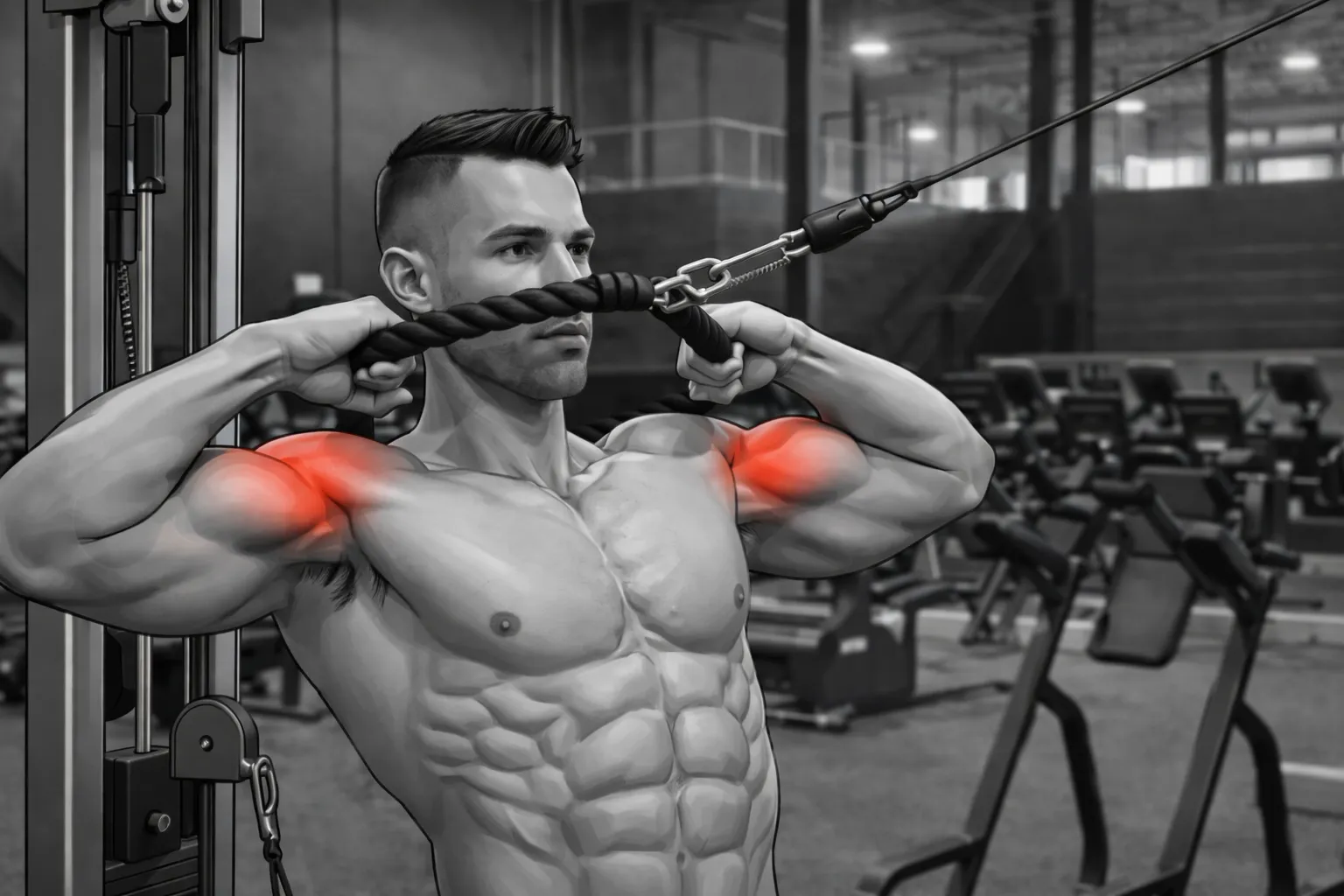
Rope Rear Delt Pull
| Exercise | Cable Position | Pull Direction | Main Muscle |
| Rear Delt Pull | Face Height ( slightly above) | Horizontal (to neck level) | Rear delt |
Tip: Perform rope exercises slowly and with control, don’t rush the movement. Proper form and consistency are the key to building strong and safe shoulders
This affordable cable machine is perfect for biceps, triceps, and full upper body workouts.
Benefits of Rope Shoulder Exercises
Rope shoulder exercises provide an effective and beginner-friendly training method. When you use a rope attachment on a cable machine, the movement becomes smoother and the muscles stay under constant tension throughout the exercise.
Here are some important benefits of rope shoulder exercises:
Constant Muscle Tension
With free weights, tension on the muscles can sometimes decrease during certain parts of the movement. Cable machines keep the muscles under continuous tension, which improves muscle activation and effectiveness.
Key Benefits
More effective workouts: Continuous tension can lead to better muscle development
Constant resistance: Muscles stay engaged during the entire movement.
Better muscle activation: More muscle fibers work throughout each repetition.
Improved control: Cable machines help maintain proper form and stability.
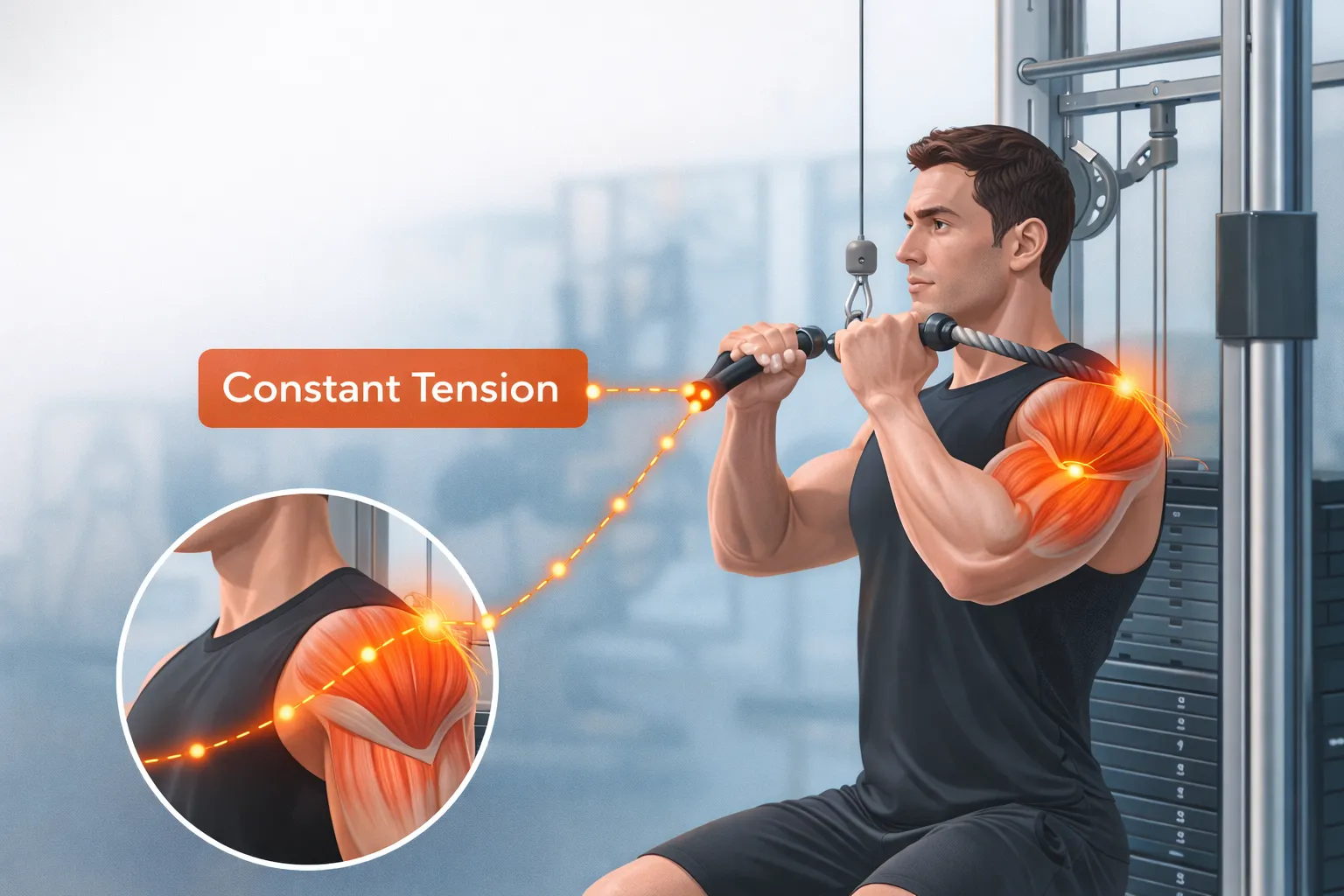
Better Muscle Activation & Control
Safer for Beginners
Rope exercises are generally safer for beginners because the machine controls the weight path. This reduces the risk of losing balance or using incorrect form.
Key Benefits
Improved technique: The machine helps maintain proper form during each repetition
Guided movement: The cable machine controls the weight path, making exercises easier to perform correctly.
Lower injury risk: Controlled resistance reduces strain on joints and muscles.
Better balance: Beginners don’t need to stabilize heavy free weights.
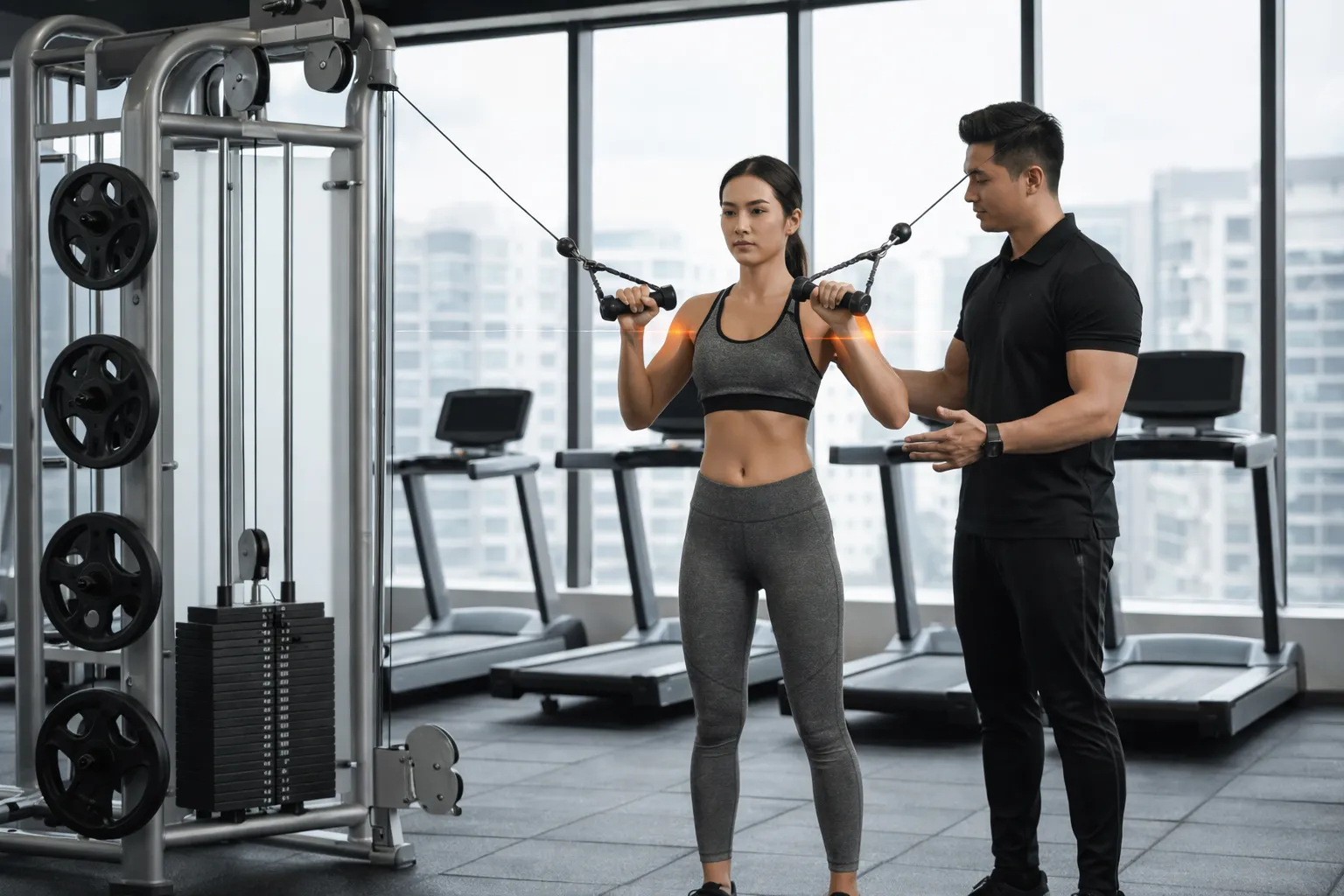
Safer for Beginners
Better Muscle Control
Using a cable machine allows beginners to perform exercises slowly and with better control. This makes it easier to maintain proper form and avoid unnecessary strain on the shoulders.
Key Benefits
Better muscle focus: Exercises become more effective when movements are controlled.
Controlled movement: Cable machines allow smooth and steady exercise motion.
Improved form: Beginners can focus on correct technique during each repetition.
Reduced shoulder strain: Proper control helps minimize stress on shoulder joints.
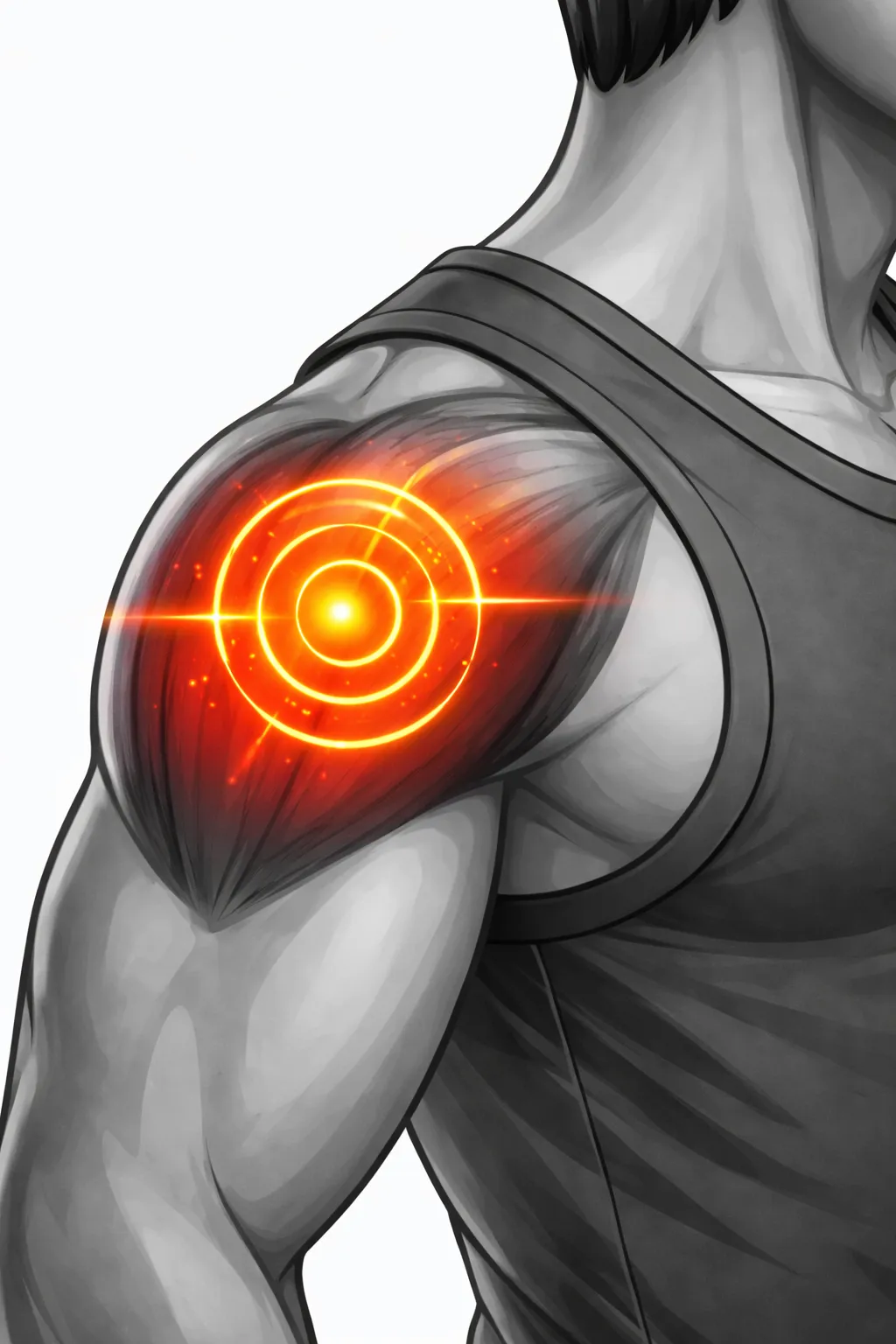
Improved Muscle Activation
Balanced Shoulder Development
Rope shoulder exercises can target different parts of the shoulder muscles. This helps create balanced muscle development and reduces the chances of muscle imbalance.
Key Benefits
Better overall strength: Balanced development improves performance in other upper body exercises.
Targets all shoulder heads: Helps train the front, side, and rear deltoid muscles.
Balanced muscle growth: Prevents one shoulder area from becoming stronger than the others.
Improved shoulder stability: Strong and balanced muscles support the shoulder joint better.

Better Overall Strength
Improved Posture and Stability
Some rope exercises, such as face pulls, strengthen the rear shoulder muscles and upper back. This helps improve posture and increases shoulder stability, which is important for overall upper body strength.
Key Benefits
Improved upper body strength: Better posture allows more effective workouts.
Better posture: Strengthens the rear shoulders and upper back muscles.
Increased stability: Supports the shoulder joint during different movements.
Reduced injury risk: Strong stabilizing muscles help protect the shoulders.
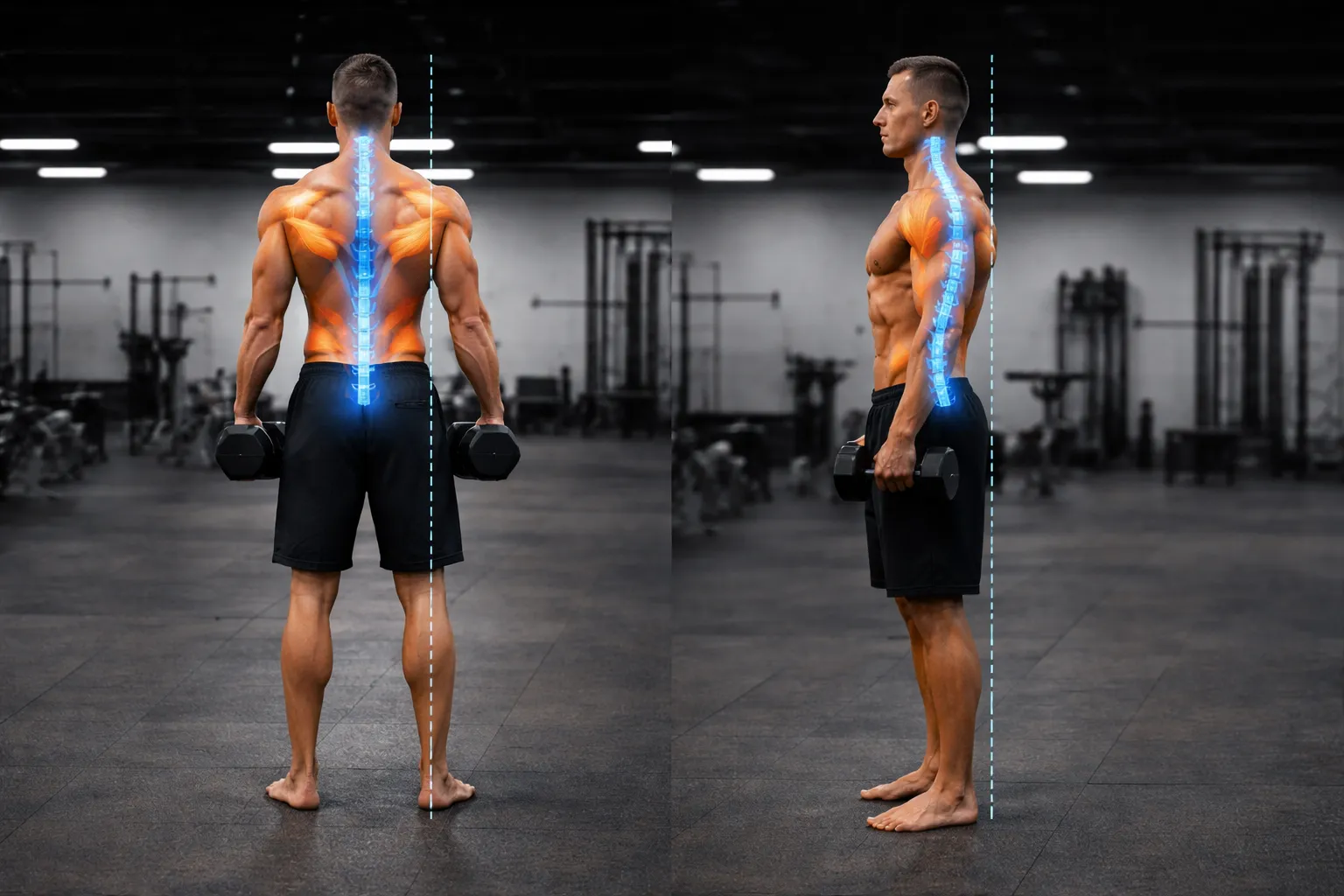
Improved Posture & Shoulder Stability
Because of these benefits, rope exercises can easily be included in a beginner’s shoulder workout routine.
To learn more about shoulder exercises, check out
Beginner Rope Shoulder Workout Routine
Beginners can follow a simple rope shoulder workout routine using the exercises listed above. This routine can be performed one or two times per week depending on the training schedule.
Example Beginner Workout Routine
Rope Face Pull — 3 sets × 12 reps
Rope Upright Row — 3 sets × 10 reps
Rope Front Raise — 3 sets × 12 reps
Rope Rear Delt Pull — 3 sets × 10 reps
This routine trains the front, side, and rear shoulder muscles, helping beginners build balanced shoulder strength.
Rest for about 60–90 seconds between sets to allow the muscles to recover before the next exercise.
Tips for Beginners
When starting shoulder training, beginners should follow some important tips to stay safe and achieve better results.
Always warm up first
Perform a light warm-up before your workout to prepare the shoulder joints and reduce the risk of injury.
Start with light weights
Beginners should not rush into lifting heavy weights. Focus on learning the correct form and movement first.
Maintain controlled movement
Rope exercises should be performed slowly and with control to ensure proper muscle activation.
Avoid overtraining
The shoulders are a smaller muscle group, so they need proper recovery time between workouts.
Stay consistent
Regular training and proper technique will gradually improve shoulder strength and muscle development over time.
Simple Diet That Works
Final Thoughts
Rope shoulder exercises are an excellent option for beginners who want a safe and controlled way to train their shoulders in the gym. Using a cable machine with a rope attachment helps maintain constant tension on the muscles, which improves muscle activation and control during the workout.
Exercises such as rope face pulls, upright rows, and front raises help target different parts of the shoulder, including the front, side, and rear deltoid muscles. This balanced approach can help beginners develop shoulder strength while also improving posture and stability.
For the best results, beginners should focus on proper form, start with lighter weights, and gradually increase resistance as strength improves. Consistency and correct technique are key to building stronger and healthier shoulders over time.
Try these exercises in your next workout and stay consistent for best results.
Start Fitness Today
Want to build muscle faster?
Build strength, improve posture, and maintain mobility with age; this program can be a supportive next step.
Joint supplements like JointEternal can support flexibility, but they’re optional, and results vary.
FAQs
Can rope exercises build shoulder muscle?
Yes, rope exercises can help build shoulder muscles when performed consistently with proper technique and progressive resistance.
What weight should beginners start with for rope shoulder exercises?
Beginners should start with light to moderate weight and focus on correct form. As strength improves, the weight can be gradually increased.
How often should beginners train shoulders?
Beginners can train shoulders one to two times per week depending on their workout routine. It is important to allow enough recovery time between sessions.
Are rope shoulder exercises good for beginners?
Yes, rope shoulder exercises are great for beginners. Cable machines provide controlled movement and constant tension, which makes it easier to maintain proper form and reduce the risk of injury.
Are cable rope exercises better than dumbbells?
Both cable machines and dumbbells have their advantages. Cable rope exercises provide constant tension and controlled movement, while dumbbells help improve balance and stability. Combining both methods can produce the best results.
Affiliate Disclosure: This article may contain affiliate links. If you purchase through these links, we may earn a small commission at no extra cost to you. This helps support our content and allows us to continue providing valuable information.
Health Disclaimer: The information provided on this website is for educational and informational purposes only and is not intended as medical advice. Always consult a qualified healthcare professional before starting any exercise program or using any supplements. Results may vary from person to person.
Supplement Disclaimer: Any supplements mentioned on this website are not intended to diagnose, treat, cure, or prevent any disease. The effectiveness of supplements may vary based on individual health conditions and lifestyle.
General Disclaimer: All content on this website is based on personal experience, research, and general knowledge. We make no guarantees regarding accuracy, completeness, or results. Use the information at your own discretion.
This content is for informational purposes only. We may earn a commission from affiliate links at no extra cost to you. Always consult a professional before making health or fitness decisions.

Ajay Jaswal is the founder of Fitness Dose Club, where he shares beginner-friendly guides on posture improvement, fitness training, and responsible supplement use. His goal is to make healthy living simple, practical, and safe for everyday people.