Physical Address
304 North Cardinal St.
Dorchester Center, MA 02124
Physical Address
304 North Cardinal St.
Dorchester Center, MA 02124

People are often attracted to the technique of yoga when they hear about it, but their mind hesitates because they do not fully understand it or know how to practise yoga correctly. When someone decides to start yoga with a positive mindset, questions like “why” and “how” naturally arise, along with thoughts about where to learn it properly and how to practise it.
This guide is created to remove that confusion and make yoga simple, practical, and easy to follow, especially for beginners.
Here, you will learn how yoga works, where to start, and which level is best for your body and daily routine. This yoga for beginners guide is designed to help you start yoga safely at home.
Yoga originated in India and is believed to have begun more than 5,000 years ago as a spiritual and physical practice. It developed as a holistic system to promote self-discipline, inner awareness, and harmony between body and mind. Early yoga practices focused more on meditation, breath control, and mental clarity than on physical postures alone.
The earliest references to yoga are found in ancient Indian texts such as the Vedas and Upanishads. Over time, yoga evolved from a meditative practice into a complete system for physical, mental, and spiritual well-being.
Adi Yogi (Shiva) is regarded as the first yogi and the original teacher of yoga. According to yogic tradition, he transmitted this profound knowledge to the Saptarishis (seven sages), who later carried yoga to different parts of the world. This transmission laid the spiritual and philosophical foundation of yoga.
In later centuries, yoga was systematically organized and documented by Maharishi Patanjali, who compiled the Yoga Sutras. His work gave yoga a clear structure, discipline, and practical framework that is still followed today.
Known as the father of classical yoga. He systematized yoga through the Yoga Sutras, defining the eightfold path (Ashtanga Yoga).
A great sage of Raj Yoga, teaching mental discipline, inner balance, self-realization, and clarity through deep yogic wisdom.
An ancient sage known for yogic healing, emphasizing the body–mind connection, balance, and holistic understanding of human health.
A prominent Nath yogi who spread Hatha Yoga, emphasizing physical discipline, breath control, strength, and practical yogic practices. .
The purpose of yoga goes beyond physical exercise. Research and traditional understanding show that yoga was developed to create balance between the body, mind, and breath, helping individuals maintain overall well-being.
Improving physical strength and flexibility: Yoga supports muscle balance, joint mobility, and posture through controlled movements and holds.
Supporting better breathing and body awareness: Studies show that regular yoga practice can help reduce stress, calm the nervous system, and improve focus.
Enhancing mental clarity and stress management: Yoga helps regulate the nervous system, supporting long-term mental balance and emotional stability..
Promoting long-term health and balance: Yoga was designed as a sustainable practice that supports the body over time, rather than pushing it through intense strain.
Encouraging inner discipline and self-awareness: Beyond movement, yoga helps individuals become more aware of their habits, posture, and mental state.
Originally, yoga was not just about physical exercise. Its main purpose was: To calm the mind, To control breath and awareness, To create balance between body, mind, and soul
Who it is for:
Beginners, office workers, people with limited time, stiffness, or long sitting hours.
Research-based focus:
Studies show that gentle yoga improves mobility, posture, stress levels, and body awareness without overloading the joints or muscles.
Common Beginner-Level Asanas
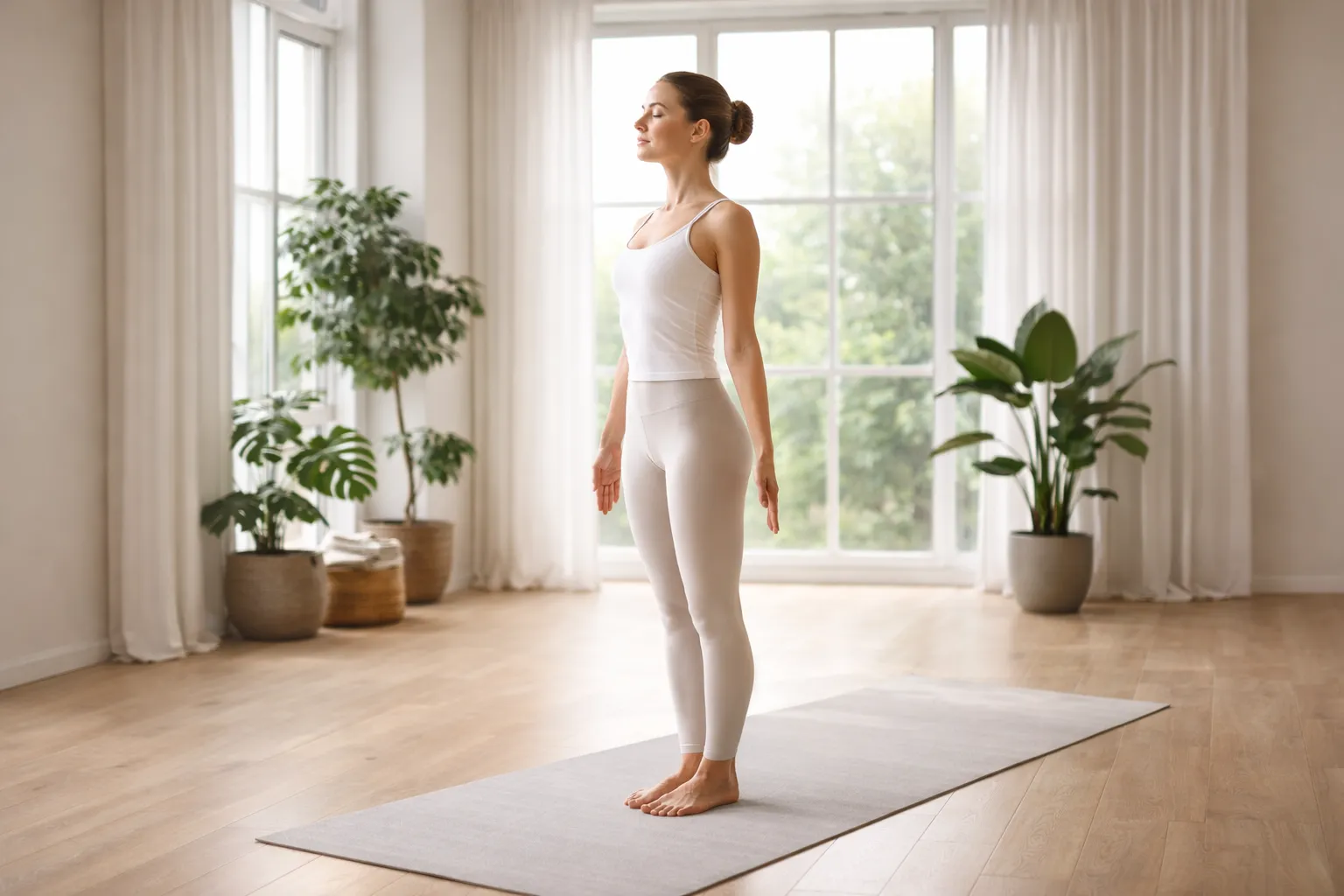
Tadasana is a simple standing posture that improves posture, balance, and body awareness. It helps align the spine and build a strong foundation for other yoga poses.
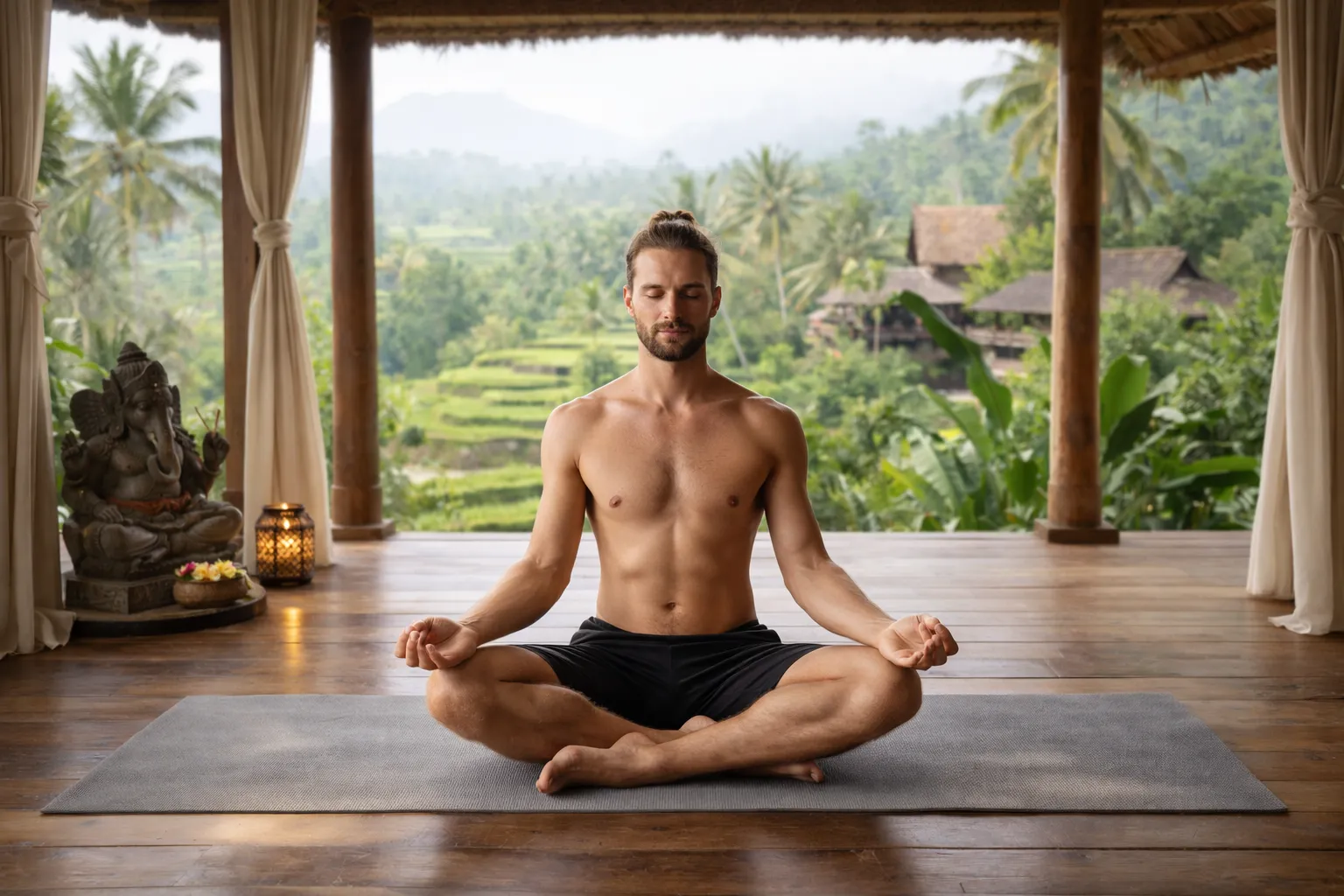
Sukhasana is a comfortable seated pose used for meditation and breathing practices. It helps calm the mind and encourages relaxed, steady breathing.
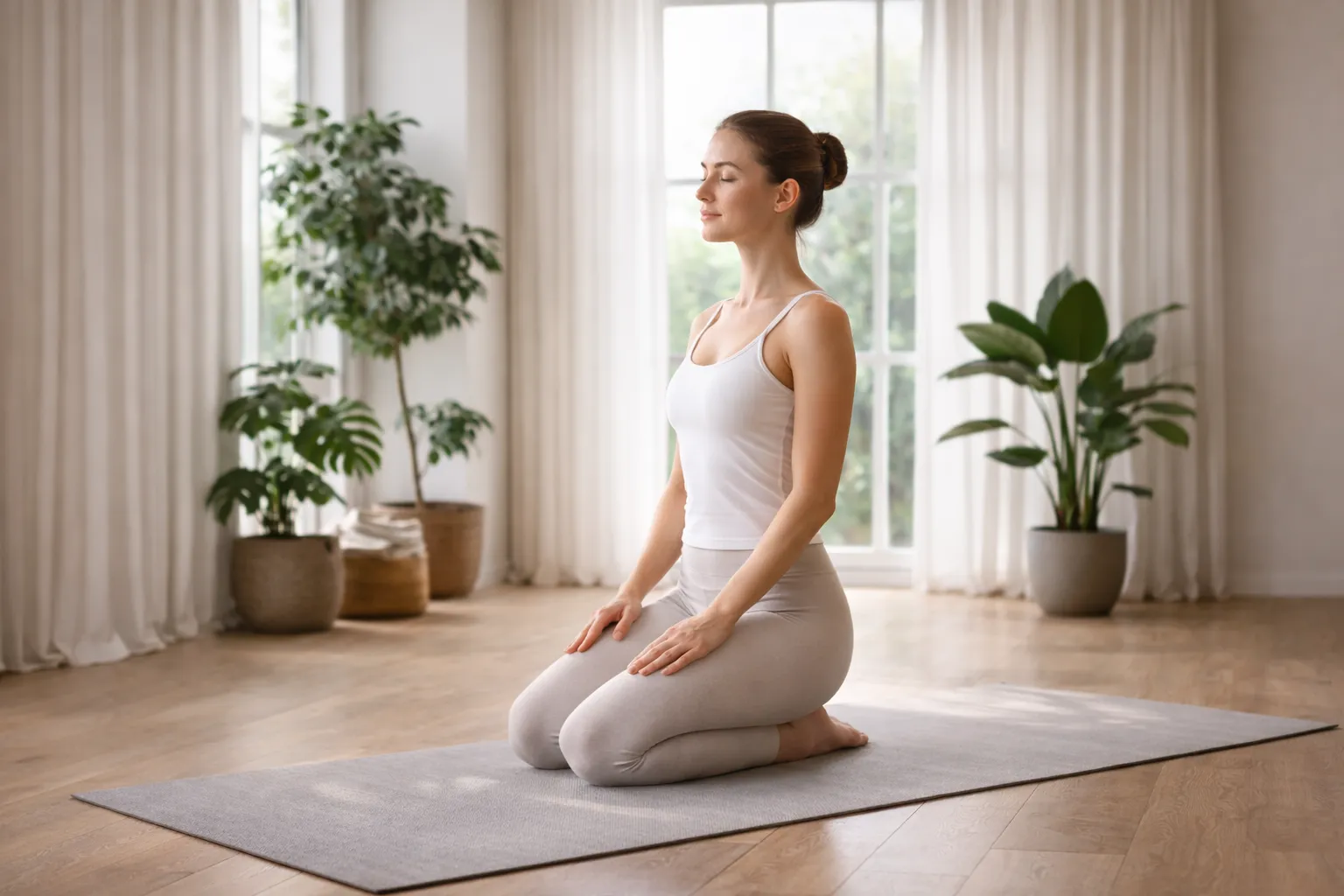
Vajrasana is a seated pose often practiced after meals. It supports digestion, improves posture, and promotes mental calmness.
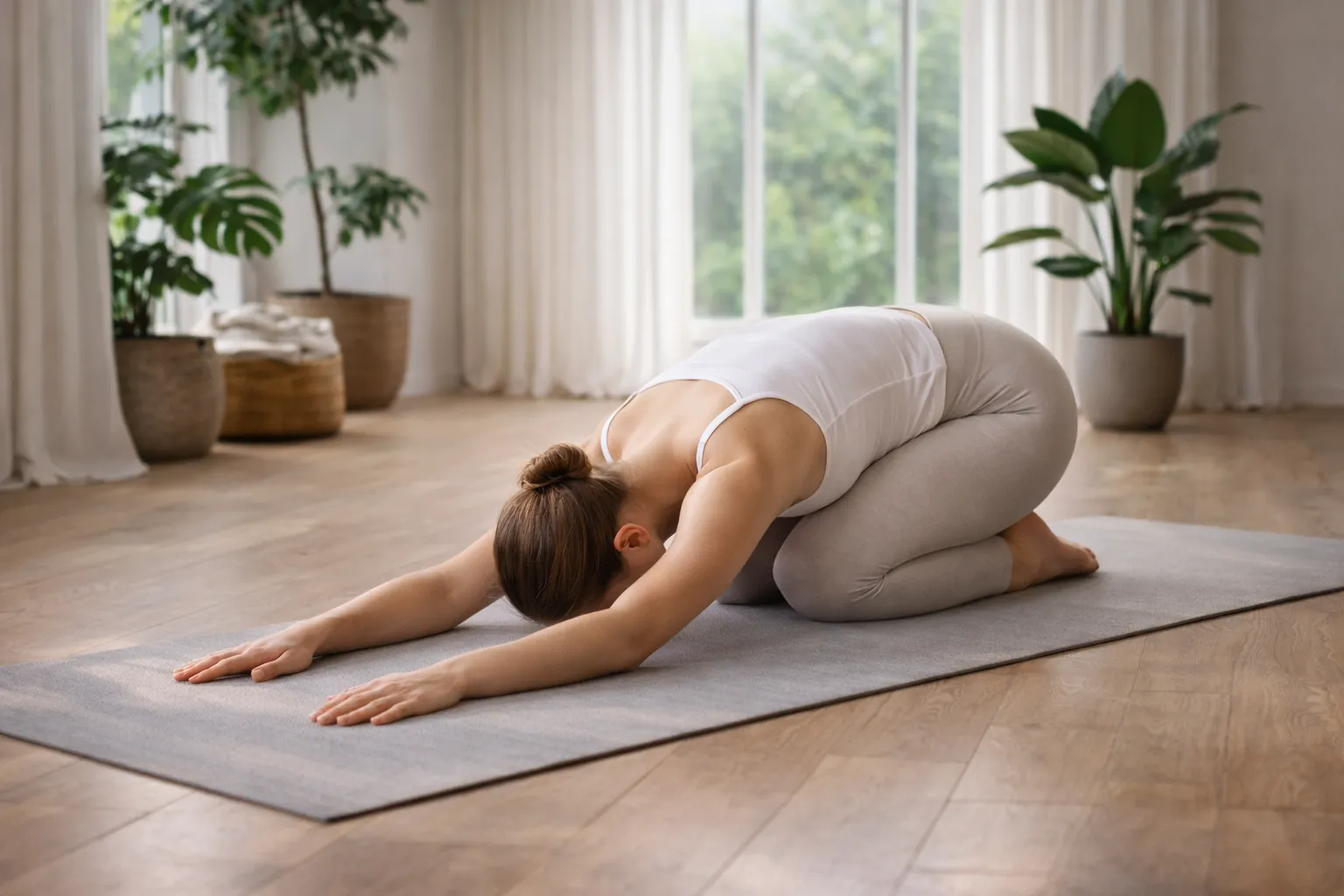
Balasana is a gentle resting pose that relieves stress and relaxes the back, neck, and shoulders. It is ideal for relaxation during practice.
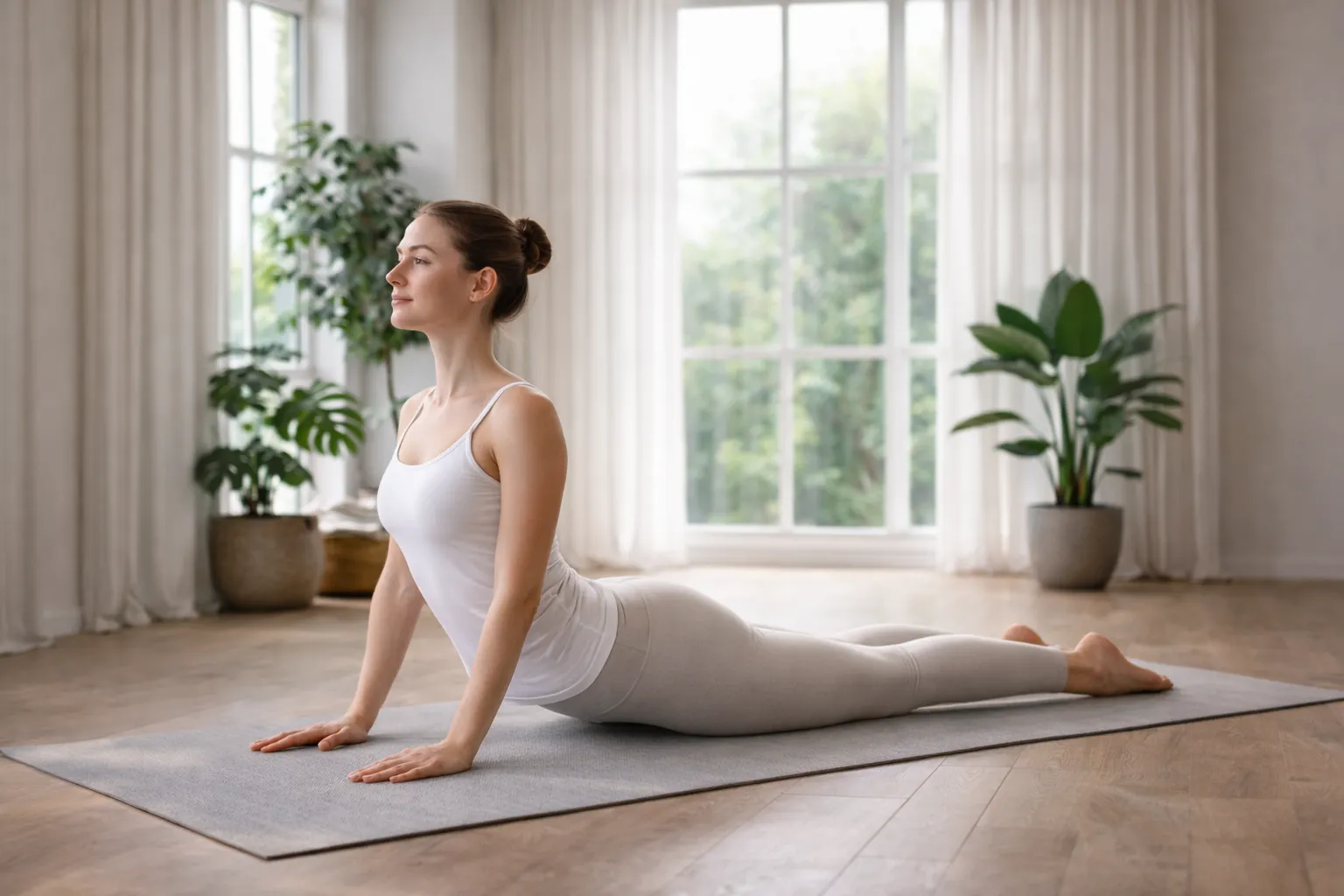
Bhujangasana is a gentle backbend that strengthens the spine and opens the chest. It helps reduce stiffness caused by long sitting hours.
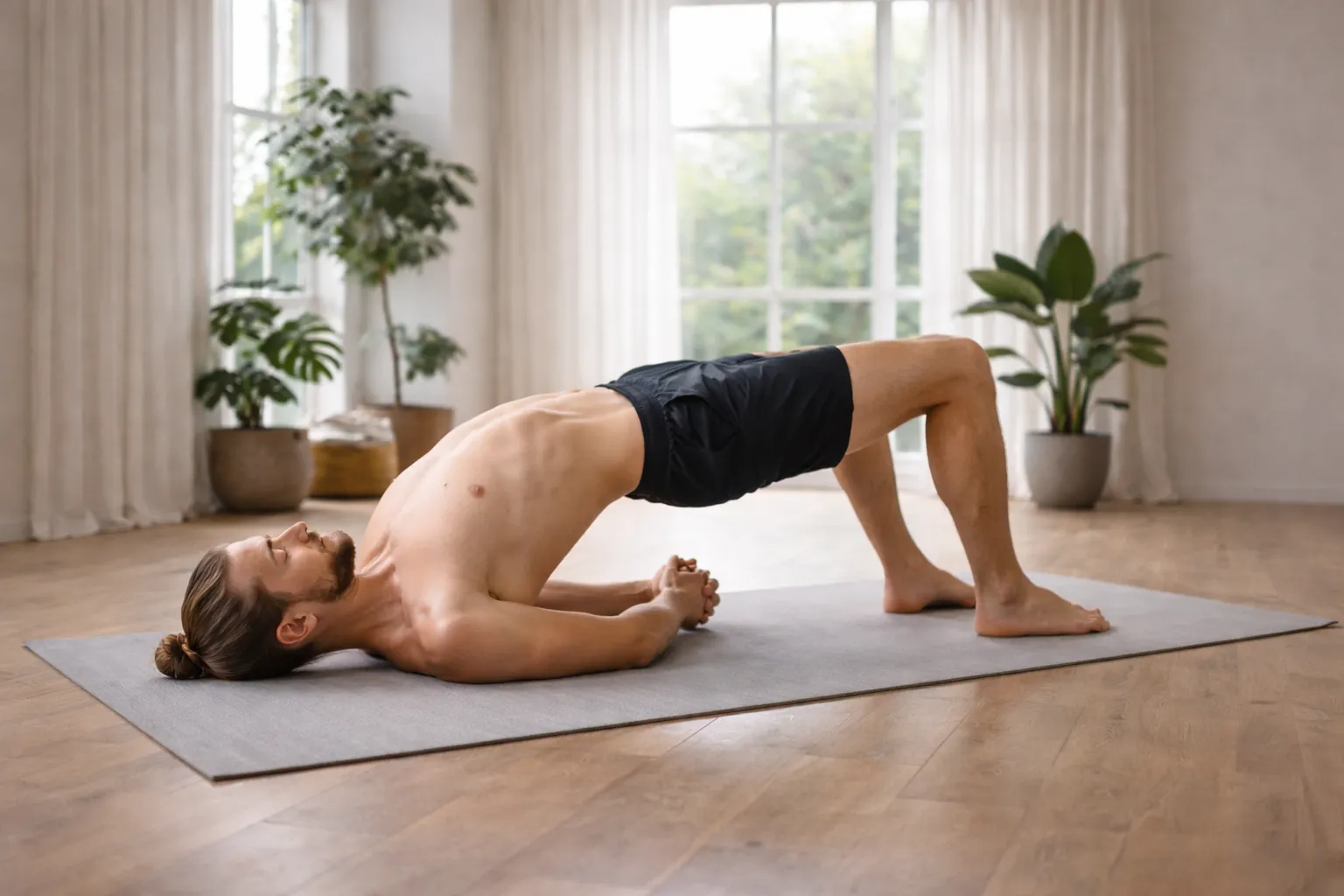
Setu Bandhasana stretches the spine and chest while strengthening the lower body. It supports flexibility and helps release daily tension.
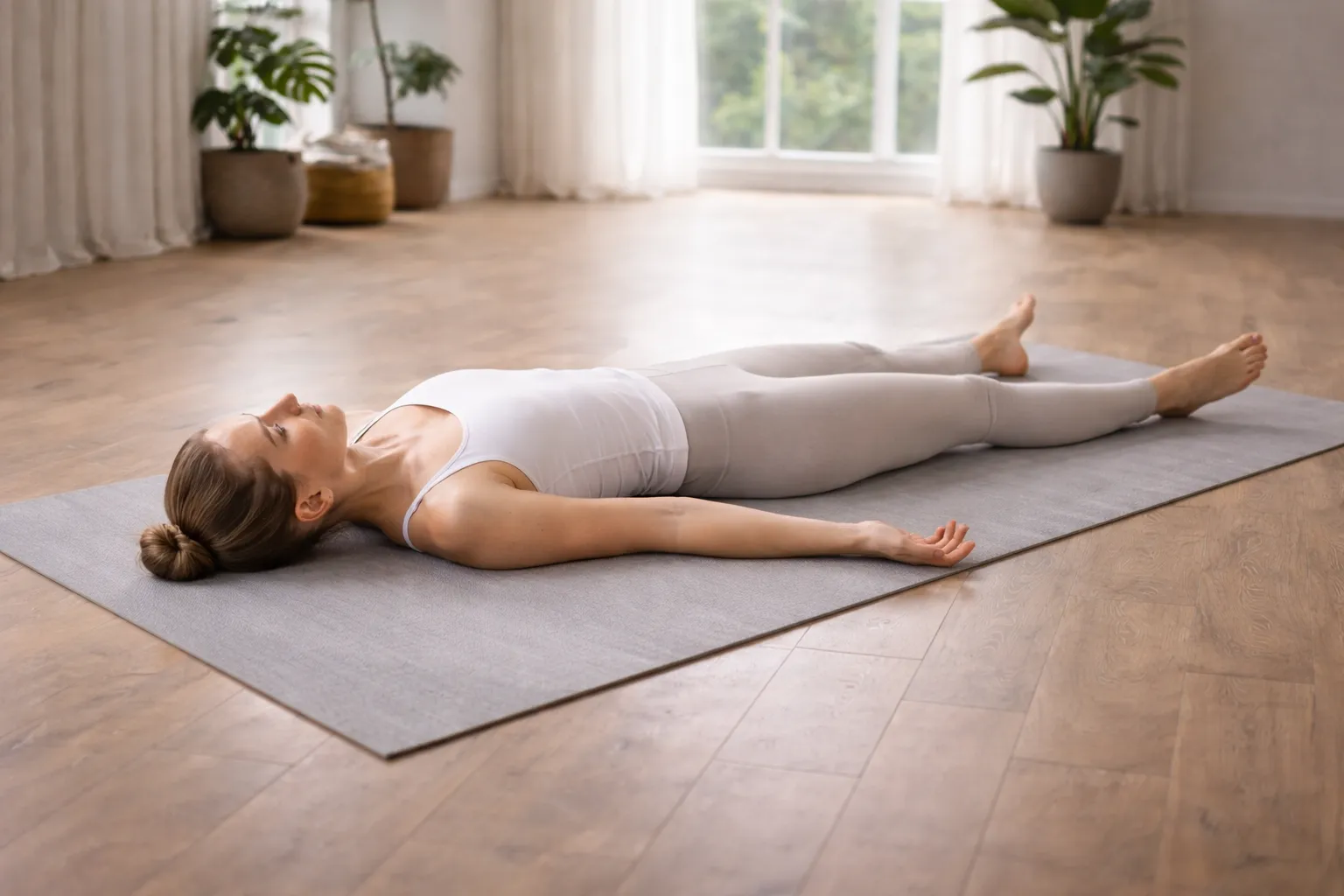
Shavasana is a deep relaxation pose practiced at the end of a yoga session. It helps the body and mind fully absorb the benefits of yoga.
✔ Prepare the body safely
✔ Improve flexibility and breathing
✔ Reduce stress and physical stiffness
Want to learn yoga with proper guidance? Many beginners explore structured yoga education in Rishikesh (India), known as the Yoga Capital of the World.👉 Explore Beginner-Friendly Jiva Yoga Academy Teacher Training in Rishikesh
Why Beginner – Level Yoga Fits All Ages
| Ages 7–14 (Children) | Ages 15–60 (Teens & Adults) | Ages 60–90 (Seniors) |
| Simple poses improve balance, posture, and focus | Helps with stress, flexibility, strength, and long sitting hours | Gentle movements support joint mobility and circulation |
| No heavy strain or forceful movements | Safe entry point before moving to higher levels | Improves balance and reduces stiffness |
| Often recommended in schools as children’s yoga | Safe entry point before moving to higher levels | Chair yoga and modified poses are widely recommended |
Who it is for:
Those who have built basic flexibility and body awareness through regular practice.
Research-based focus:
Intermediate poses improve muscle strength, balance, coordination, and core stability, which are essential for long-term joint health and posture.
Common Intermediate-Level Asanas
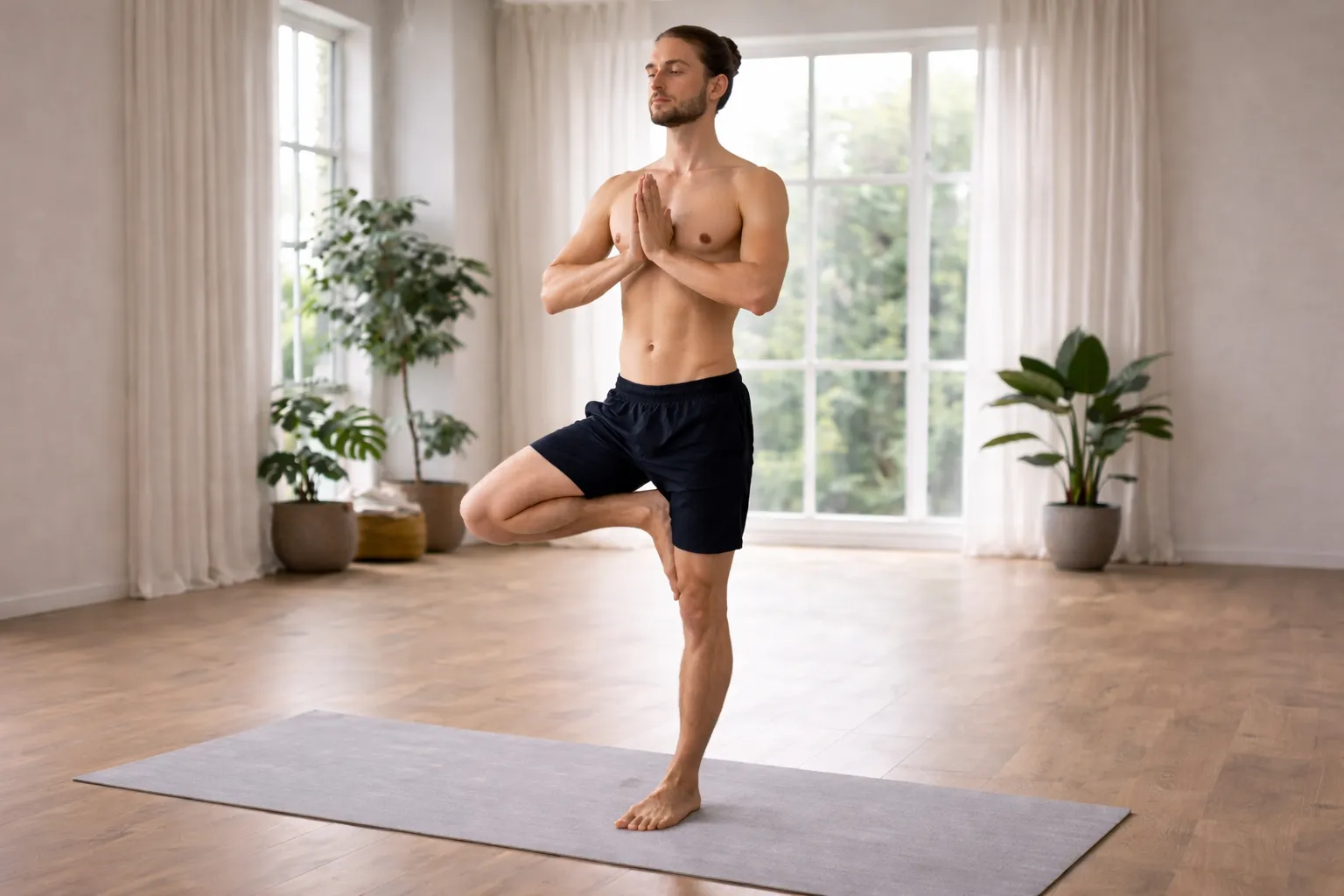
Vrikshasana is a balancing pose that strengthens the legs and improves focus and stability. It helps develop body control and mental concentration.
Virabhadrasana is a powerful standing pose that builds strength in the legs, arms, and core. It also boosts confidence and stamina.
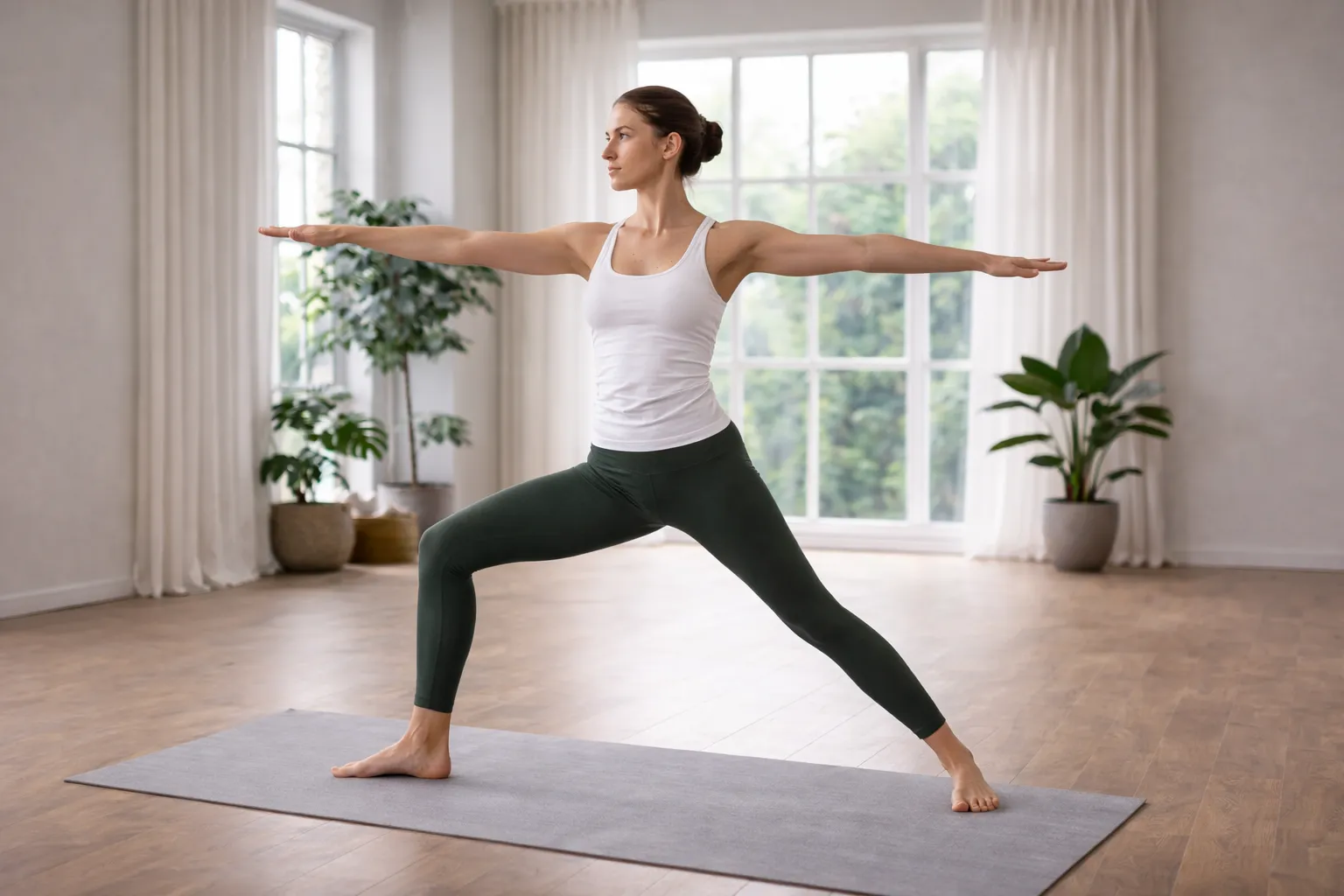
Trikonasana stretches the spine, hips, and legs while improving balance. It supports flexibility and helps relieve stiffness in the body.
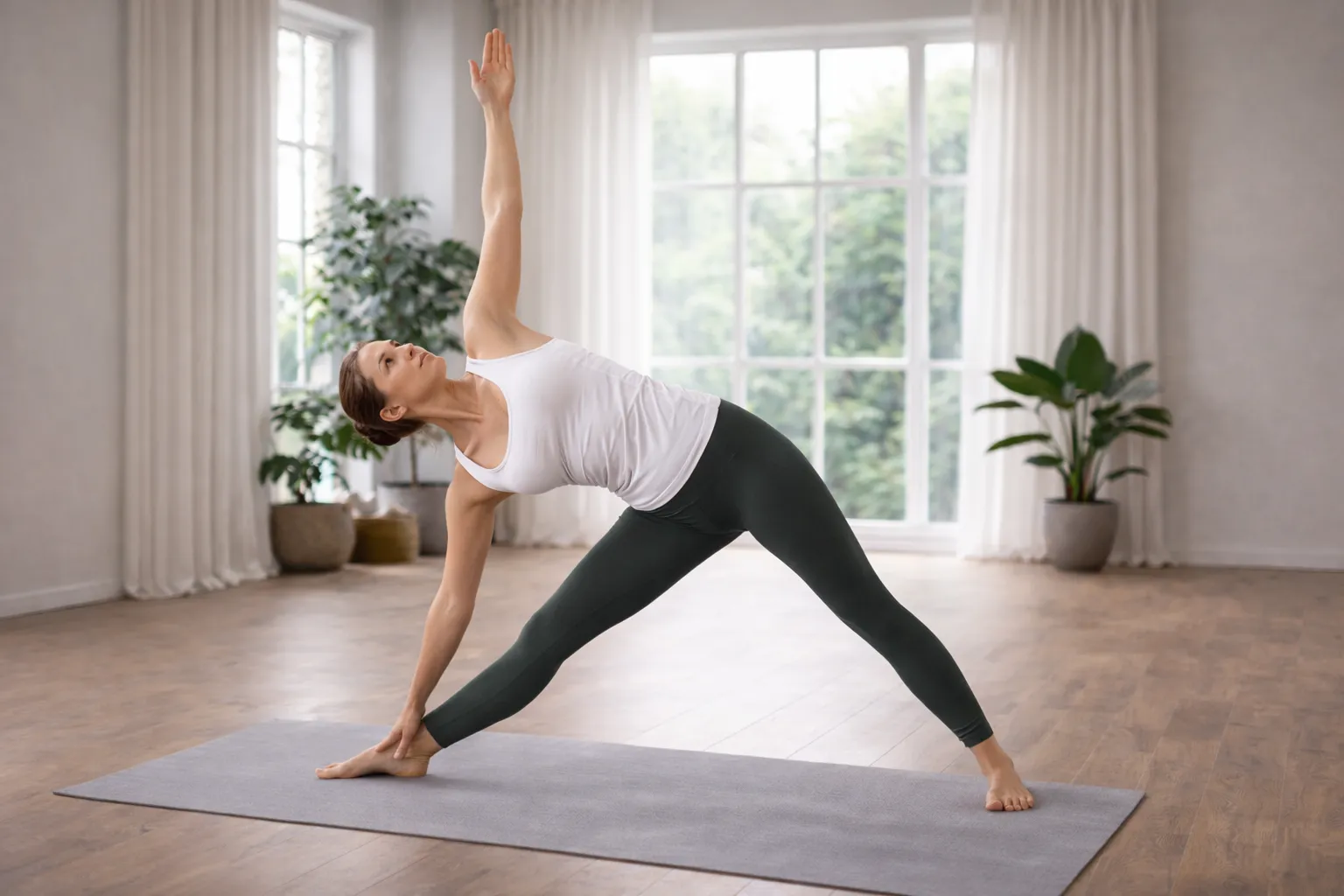
Naukasana is a core-strengthening pose that engages the abdominal muscles. It helps improve balance, strength, and body coordination.
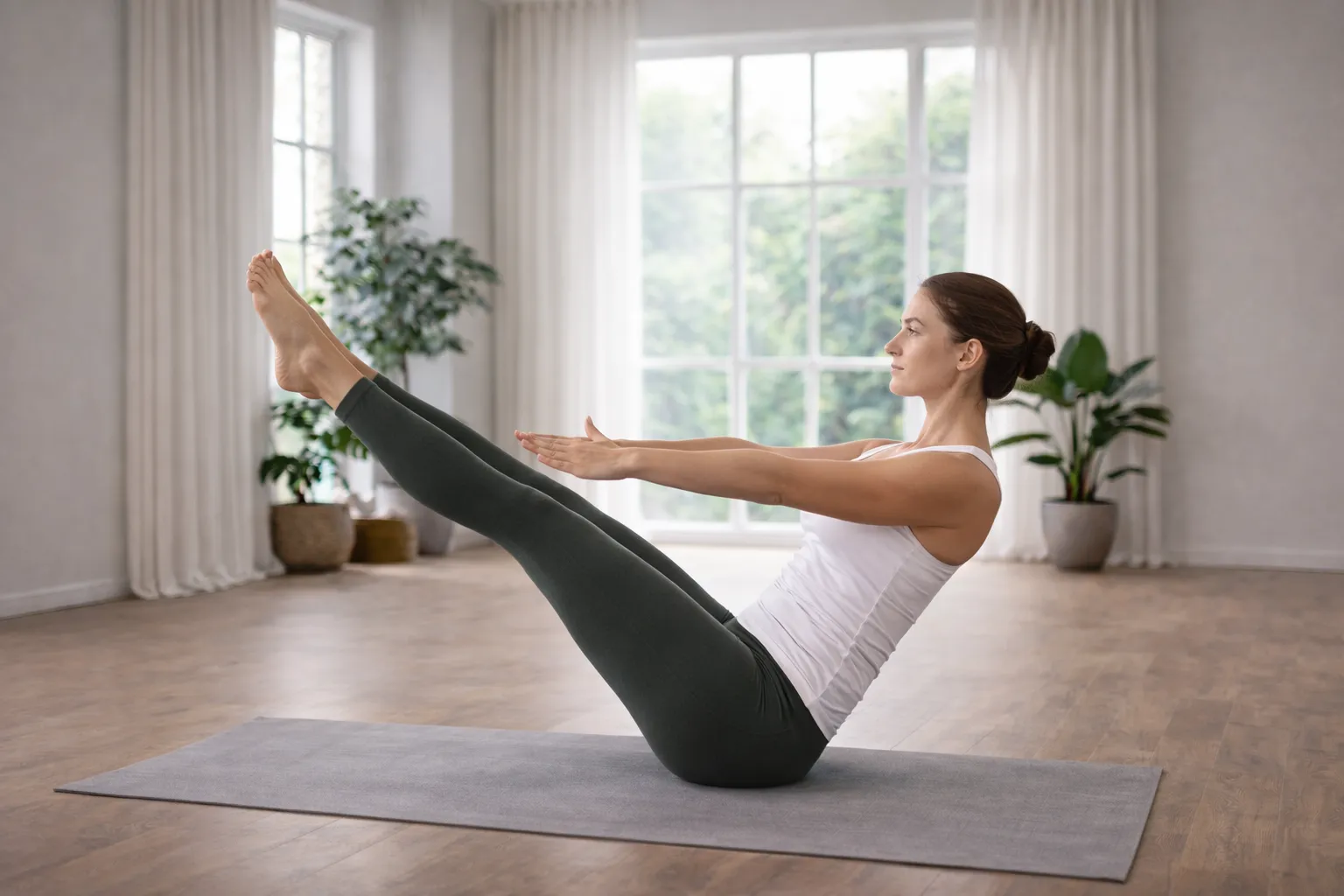
Paschimottanasana is a calming forward bend that stretches the back and hamstrings. It helps relax the nervous system and improve flexibility.
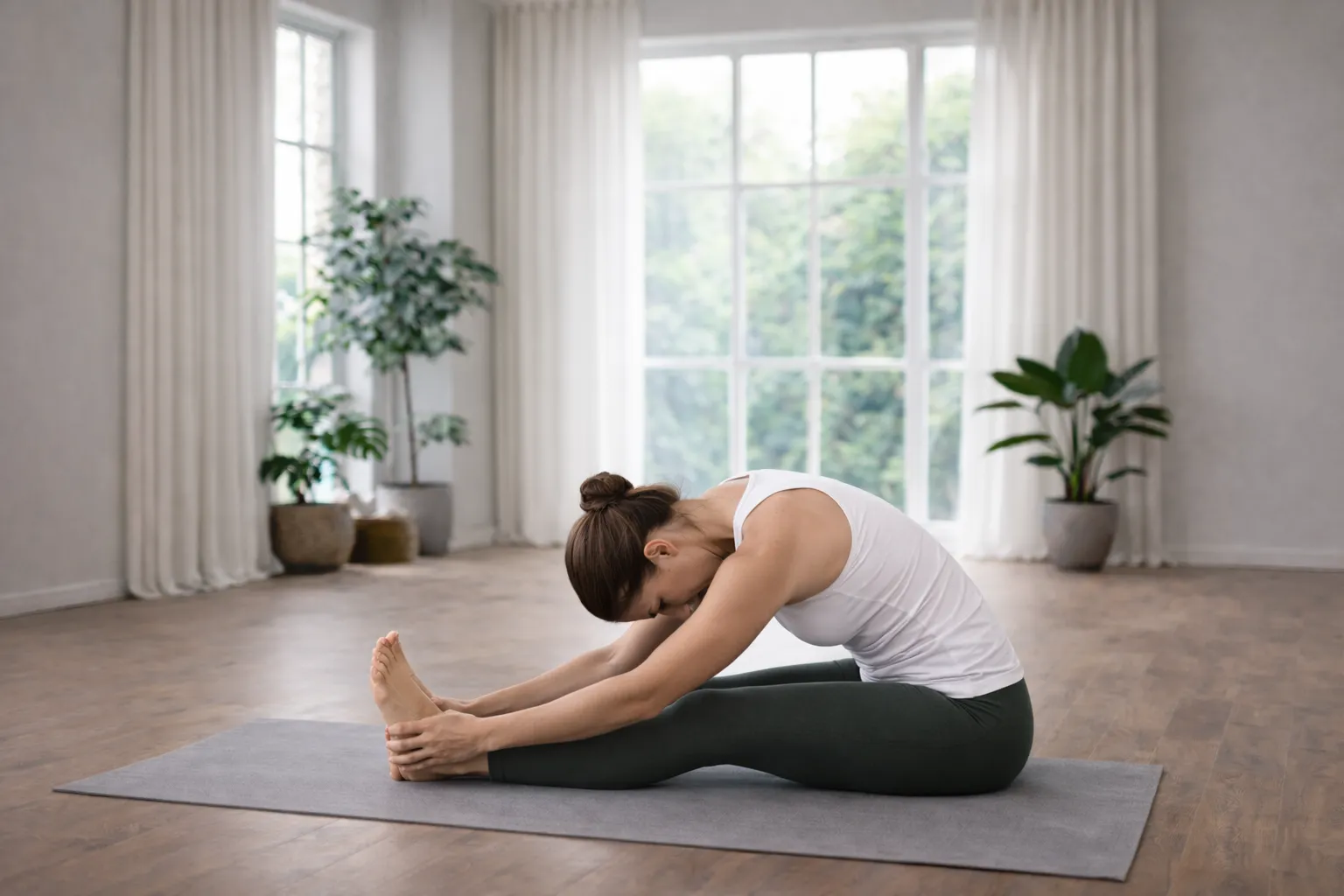
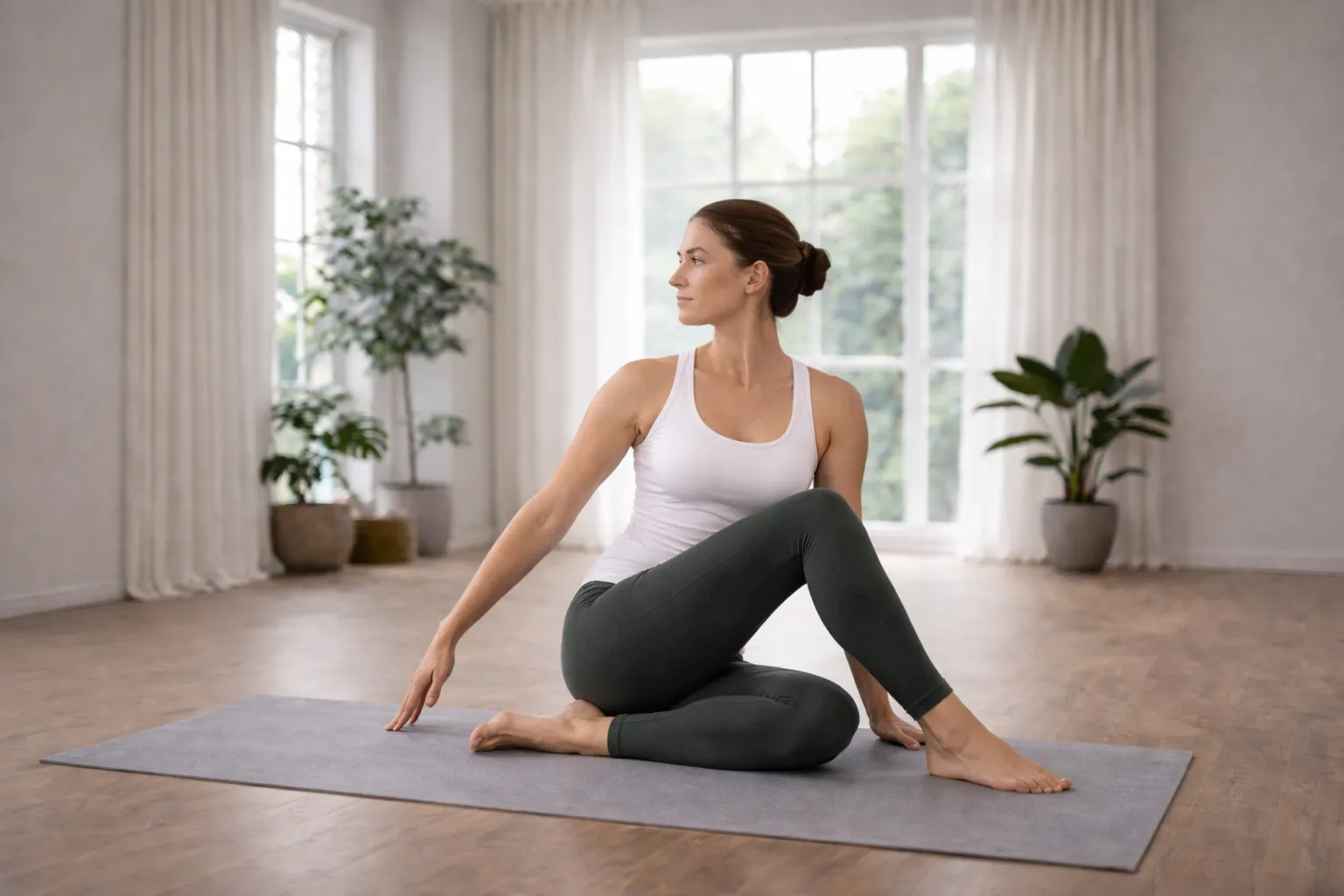
Ardha Matsyendrasana is a seated twist that improves spinal mobility and digestion. It helps release tension from the back and waist.
Main purpose:
✔ Build strength and endurance
✔ Improve balance and stability
✔ Enhance energy and stamina
Who it is for:
Experienced practitioners with strong flexibility, balance, and breath control.
Research-based focus:
Advanced yoga requires high neuromuscular control and joint stability. It is recommended only after years of consistent practice.
Note: Advanced-level yoga asanas should be practiced only by experienced practitioners. These poses require strong flexibility, balance, strength, and proper body control. It is highly recommended to learn advanced yoga under the guidance of a certified yoga instructor or by joining a yoga academy. Practicing advanced asanas at home should be done only after receiving proper instruction and approval from a qualified teacher to avoid the risk of injury.
Common Advanced-Level Asanas
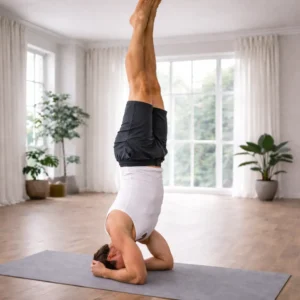
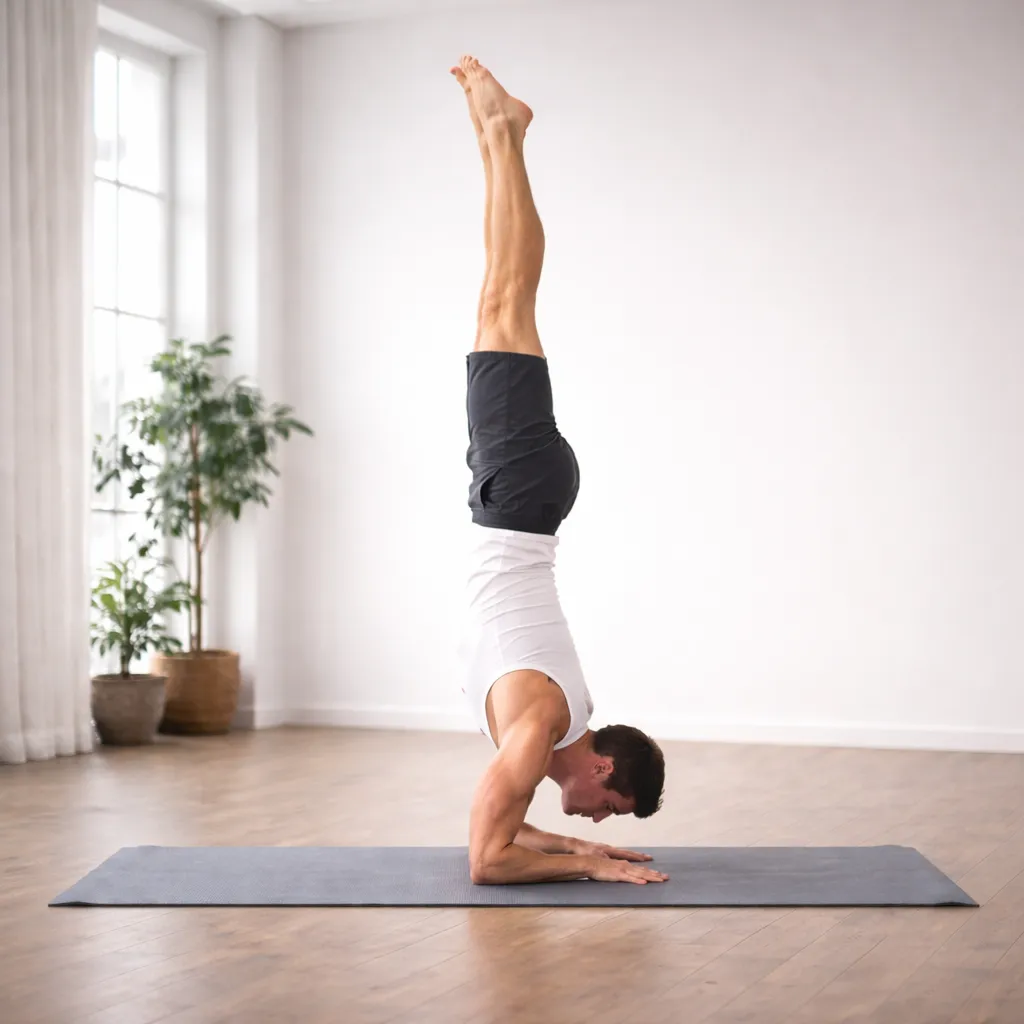
Sirshasana is an advanced inversion pose that improves balance, focus, and blood circulation. It requires strong core control and proper guidance.
👉 Read More
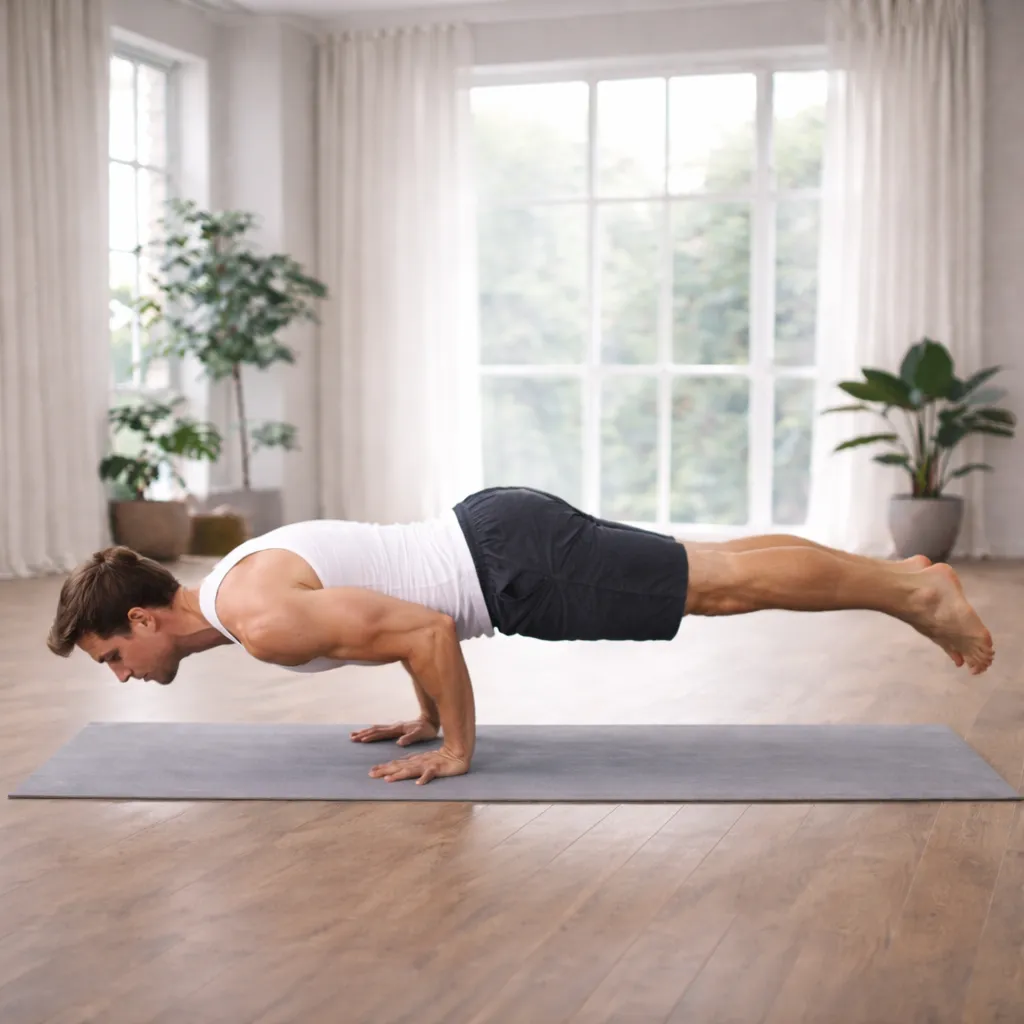
Mayurasana is a powerful arm-balance pose that strengthens the wrists, arms, and core. It demands high strength and proper technique.
👉 Read More
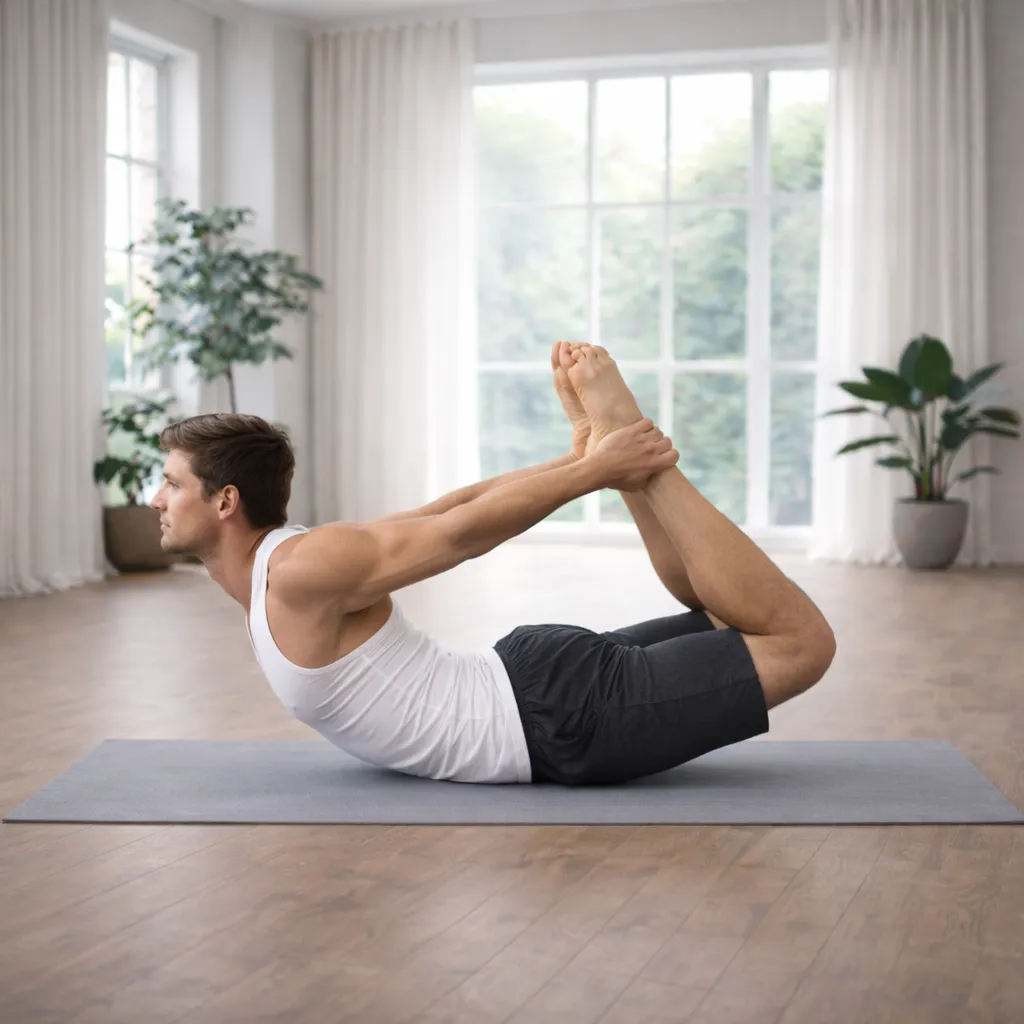
Dhanurasana is a strong backbend that stretches the front body and strengthens the spine. It supports flexibility and overall body strength.
👉 Read More
These poses develops exceptional shoulder strength, balance, and breath control, making it one of the most demanding inversion poses in yoga.
👉 Read More
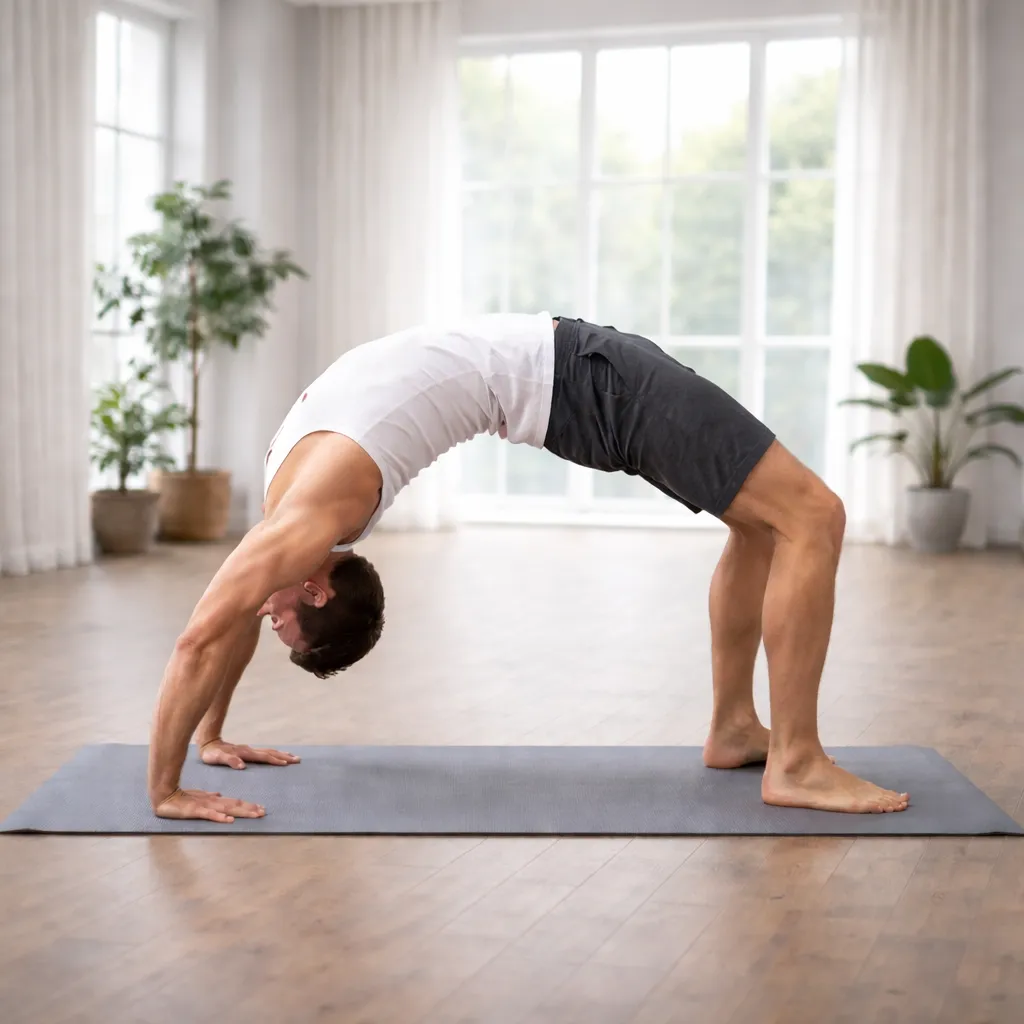
Chakrasana is a deep backbend that increases spinal flexibility and strengthens the arms and legs. It helps build energy and body control.
👉 Read More
Main purpose:
✔ Refine body control and focus
✔ Deepen flexibility and strength
✔ Strengthen mind–body coordination
For those interested in deepening their understanding of traditional yoga, structured learning programs and supportive tools can help maintain a consistent practice.
● Start with 5–15 minutes daily; avoid long sessions in the beginning
● Practice on an empty stomach (morning is best, or 3–4 hours after meals)
● Use a yoga mat or a non-slip surface for stability
● Wear comfortable, stretchable clothing that allows free movement
● Focus on steady breathing; avoid holding your breath
● Do not ignore pain, discomfort is normal, pain is not
● Move slowly and mindfully; speed is not important
● If you have any medical condition, consult a doctor or qualified yoga instructor
• Skipping warm-up
• Overstretching in first week
• Holding breath
• Comparing with others
• Practicing advanced poses too early
Simple table
| Day 1 – Body Awareness & Relaxation • Tadasana (Mountain Pose) – 2 min • Sukhasana (Easy Sitting Pose) – 3 min • Balasana (Child’s Pose) – 3–5 min Focus: Posture, calm breathing, body awareness | Day 5 – Flexibility & Stress Relief • Sukhasana (Deep Breathing) – 3 min • Paschimottanasana (Seated Forward Bend) – 2–3 min • Ardha Matsyendrasana (Spinal Twist) – 30 sec each side • Shavasana – 3–5 min Focus: Flexibility, stress release |
| Day 2 – Digestion & Gentle Stretching • Vajrasana (Thunderbolt Pose) – 3–5 min • Bhujangasana (Cobra Pose) – 3 rounds • Balasana – 2 min Focus: Digestion, spine flexibility | Day 6 – Full Body Light Flow • Tadasana – 1 min • Bhujangasana – 3 rounds • Setu Bandhasana – 2 rounds • Balasana – 2 min • Shavasana – 5 min Focus: Overall mobility & relaxation |
| Day 3 – Spine & Lower Body Mobility • Tadasana – 2 min • Ardha Uttanasana (Half Forward Bend) – 3 rounds • Setu Bandhasana (Bridge Pose) – 3 rounds • Shavasana – 3 min Focus: Back stiffness, posture improvement | Day 7 – Recovery & Deep Relaxation • Light Stretching (Neck, Shoulders, Back) – 5 min • Sukhasana (Mindful Breathing) – 3 min • Shavasana (Deep Relaxation) – 7–10 min Focus: Recovery, mental calm, consistency |
| Day 4 – Strength & Balance (Beginner Safe) • Tadasana – 1 min • Vrikshasana (Tree Pose) – 30 sec each side • Virabhadrasana I (Warrior 1) – 30 sec each side • Balasana – 3 min Focus: Balance, leg strength, confidence |
Important Notes for Beginners
• Stop immediately if you feel pain or discomfort.
• Never hold your breath during any yoga pose.
• Beginners can repeat this 7-day plan for the first 2 weeks.
• Practice yoga on an empty stomach or at least 3–4 hours after meals.
According to the World Health Organization (WHO), regular physical activity supports overall health.
Yoga is not just about physical postures but a lifelong practice that nurtures the body, calms the mind, and brings inner balance. For beginners, starting with simple poses and consistent practice is more important than perfection. By practicing yoga mindfully at home, you can gradually build strength, awareness, and well-being. Begin slowly, stay patient, and allow yoga to grow naturally with you.
Yoga Research–Based Content Writer & Long-Term Yoga Practitioner with Practical Experience
Q: Is yoga suitable for complete beginners?
Yes, yoga is suitable for beginners of all ages. Simple and gentle yoga poses help improve flexibility, posture, breathing, and overall well-being without putting stress on the body. Beginner and intermediate-level yoga can be safely practiced at home with basic guidance. However, advanced-level yoga should always be learned under the supervision of an experienced yoga instructor or at a certified yoga academy.
Q: How long should a beginner practice yoga daily?
Beginners can start with 15–20 minutes per day. As the body becomes comfortable, practice time can gradually be increased to 30–40 minutes.
Q: Can I practice yoga at home without an instructor?
Yes, beginners can practice basic yoga poses at home by following step-by-step guidance. However, advanced poses should only be practiced under the supervision of a qualified yoga instructor.
Q: What is the best time to do yoga for beginners?
Early morning on an empty stomach is considered ideal. If practicing in the evening, ensure there is a gap of 3–4 hours after meals.
Q: Which yoga level should beginners start with?
Beginners should always start with beginner-level yoga, focusing on basic poses, breathing awareness, and relaxation before moving to intermediate or advanced levels.
Q: Is yoga safe for all age groups?
Yes, yoga can be practiced by children, adults, and seniors. Poses should be selected according to age, flexibility, and physical condition.
Q: How long does it take to see results from yoga?
With regular practice, beginners may notice improvements in flexibility, posture, and mental calmness within 2–4 weeks. Consistency is more important than intensity.
Q: Should I stop yoga if I feel pain?
Yes, yoga should never cause pain. If you feel pain or discomfort, stop immediately and consult a yoga instructor or healthcare professional if needed.
Explore internationally recognized Yoga Teacher Training programs designed for beginners and professionals.
👉 Check course details, fees, and availability on the official academy website.
View Official Course Details*You will be redirected to the official academy website.
Improve flexibility and mobility with our Yoga & Flexibility Guide
Yoga helps improve strength and flexibility, which also supports overall muscle development. To learn more about building strength effectively.
Regular yoga practice can support calorie burn and healthy weight management when combined with the right routine. For detailed guidance.
View Recommended Products for Practice
Disclaimer: The information provided on this website is for educational purposes only and should not be considered medical advice. Please consult a qualified professional before starting any new yoga or wellness practice.
Disclosure: This page may contain affiliate links. If you choose to purchase or enroll through these links, we may earn a small commission at no extra cost to you.

Ajay Jaswal is the founder of Fitness Dose Club, where he shares beginner-friendly guides on posture improvement, fitness training, and responsible supplement use. His goal is to make healthy living simple, practical, and safe for everyday people.