
Yoga & Flexibility Guide






Introduction
Yoga stretches for flexibility are one of the most effective ways to reduce stiffness and improve mobility naturally. Yoga is a holistic practice that combines movement, breathing, and body awareness to support physical comfort, flexibility, and mental calm. This guide focuses on enhancing flexibility through simple yoga poses, stretching routines, and breathing techniques that help release stiffness, improve mobility, and build gentle strength over time.
Designed for home practice, these routines reduce stress, improve body alignment, and support overall well-being. With consistent practice and mindful breathing, you can move more comfortably and feel more balanced in daily life.
What is Yoga & Flexibility
Yoga
Yoga comes from the Sanskrit root “Yuj,” which means to join, unite, or become one. It is a holistic practice that combines physical postures (asanas), breathing techniques (pranayama), and mindful awareness.
Through yoga, a person develops strength, stability, and mental clarity. More than just physical exercise, it represents a complete lifestyle that supports a healthy, balanced, and mindful way of living.
Flexibility
Flexibility is the ability of your muscles and joints to move through their full range of motion.
When muscles become tight, movement gets restricted. Yoga helps improve flexibility by gently stretching and lengthening the muscles while improving joint mobility.
● Static flexibility: Holding a position for a period of time
● Dynamic flexibility: Moving smoothly through a range of motion
Yoga helps improve physical strength, mental calmness, and inner peace. It supports overall well-being by strengthening the body, relaxing the mind, and creating harmony within.
If you want to learn yoga properly and experience its real benefits, this will help you get started in the right and effective way.
Yoga Alliance Certified Career
🌿 Ready to Become a Certified Yoga Teacher?
Join Yoga Alliance Certified Training in Rishikesh
Start your journey with Jiva Yoga Academy, designed for beginners and aspiring professionals.
- ✔ 100 / 200 / 300 Hour Courses
- ✔ Yoga Alliance Certification
- ✔ Expert Trainers
What You’ll Learn in This Guide
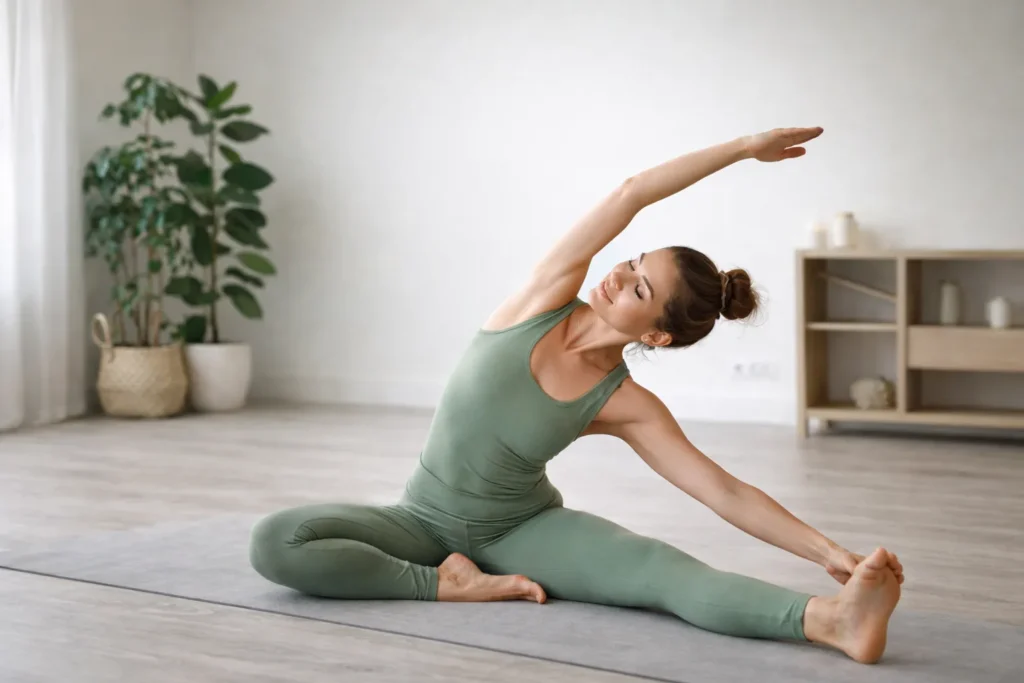
This guide is perfect for beginners, desk workers, and anyone looking to improve flexibility, reduce stiffness, and move more comfortably at home.
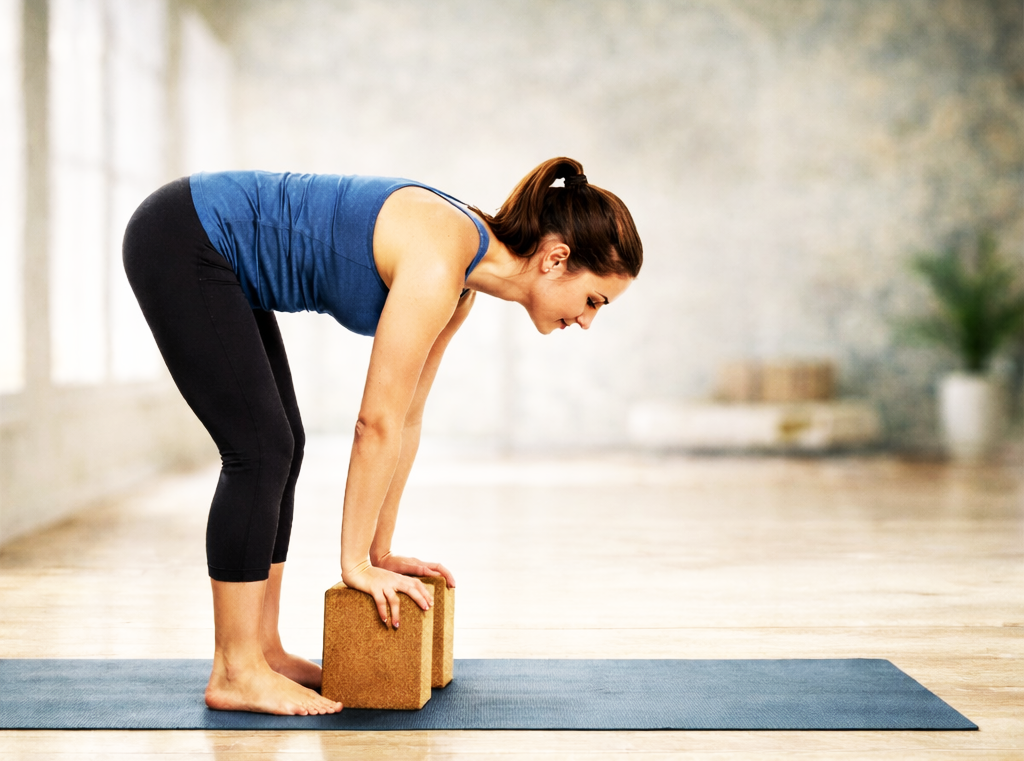
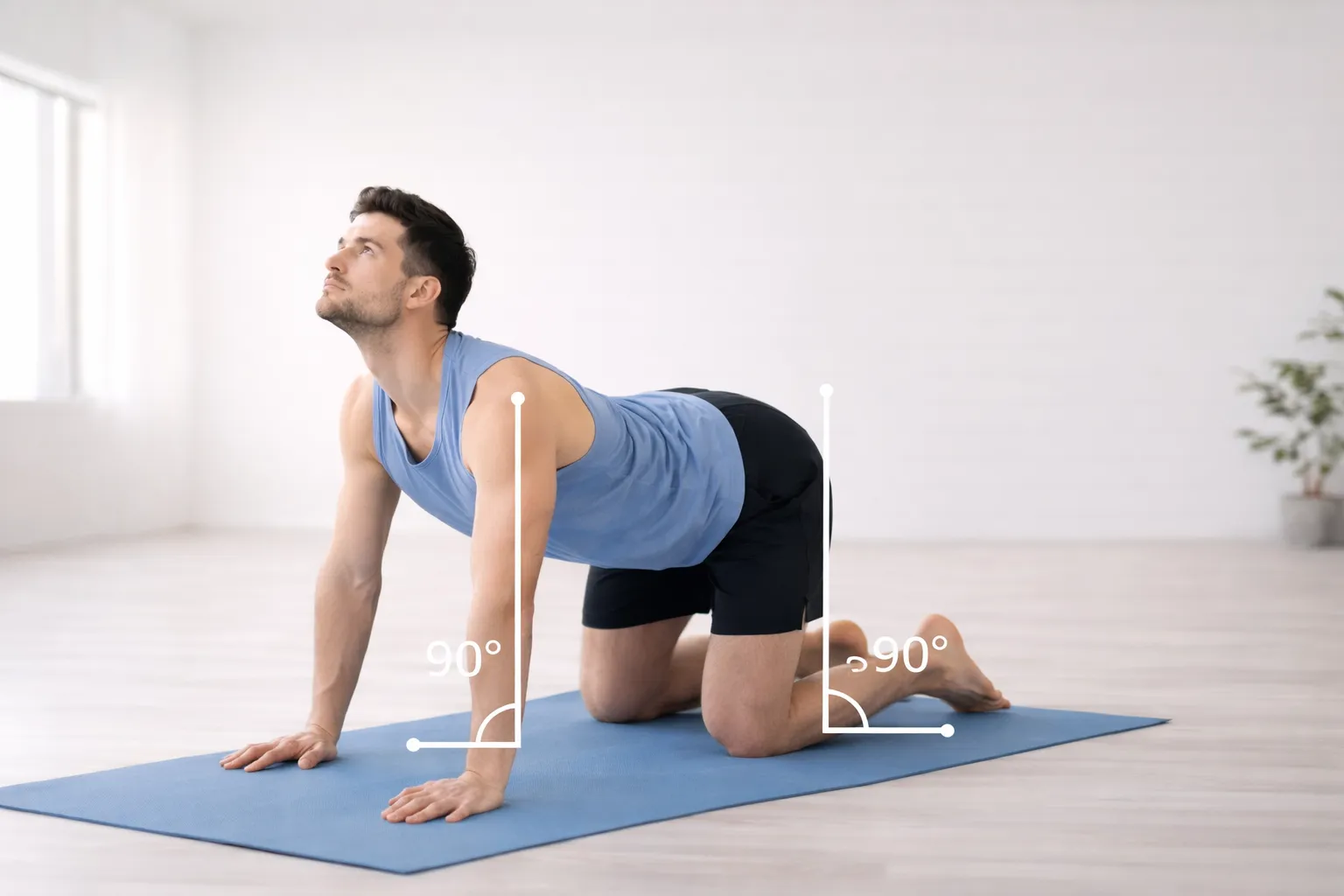
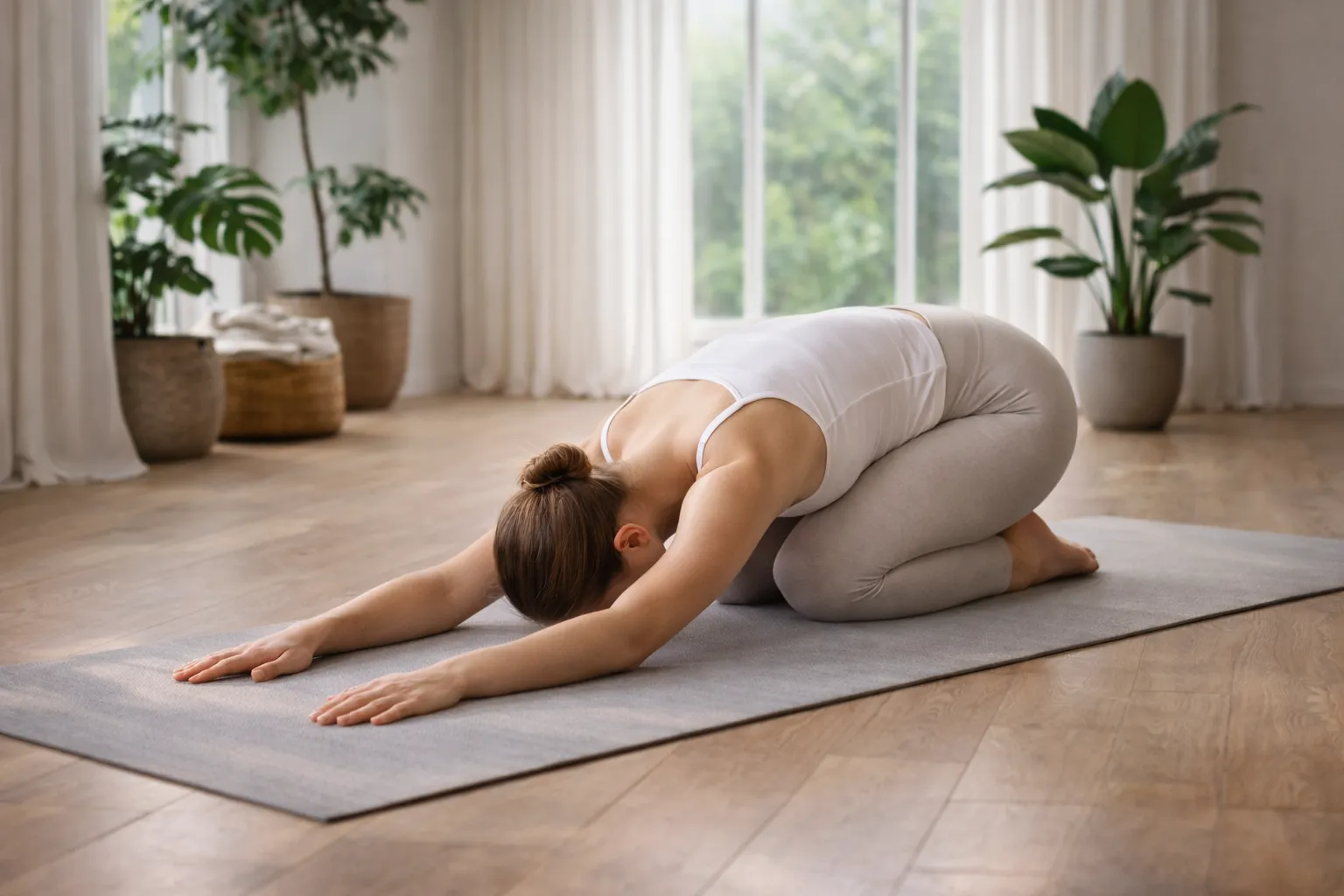
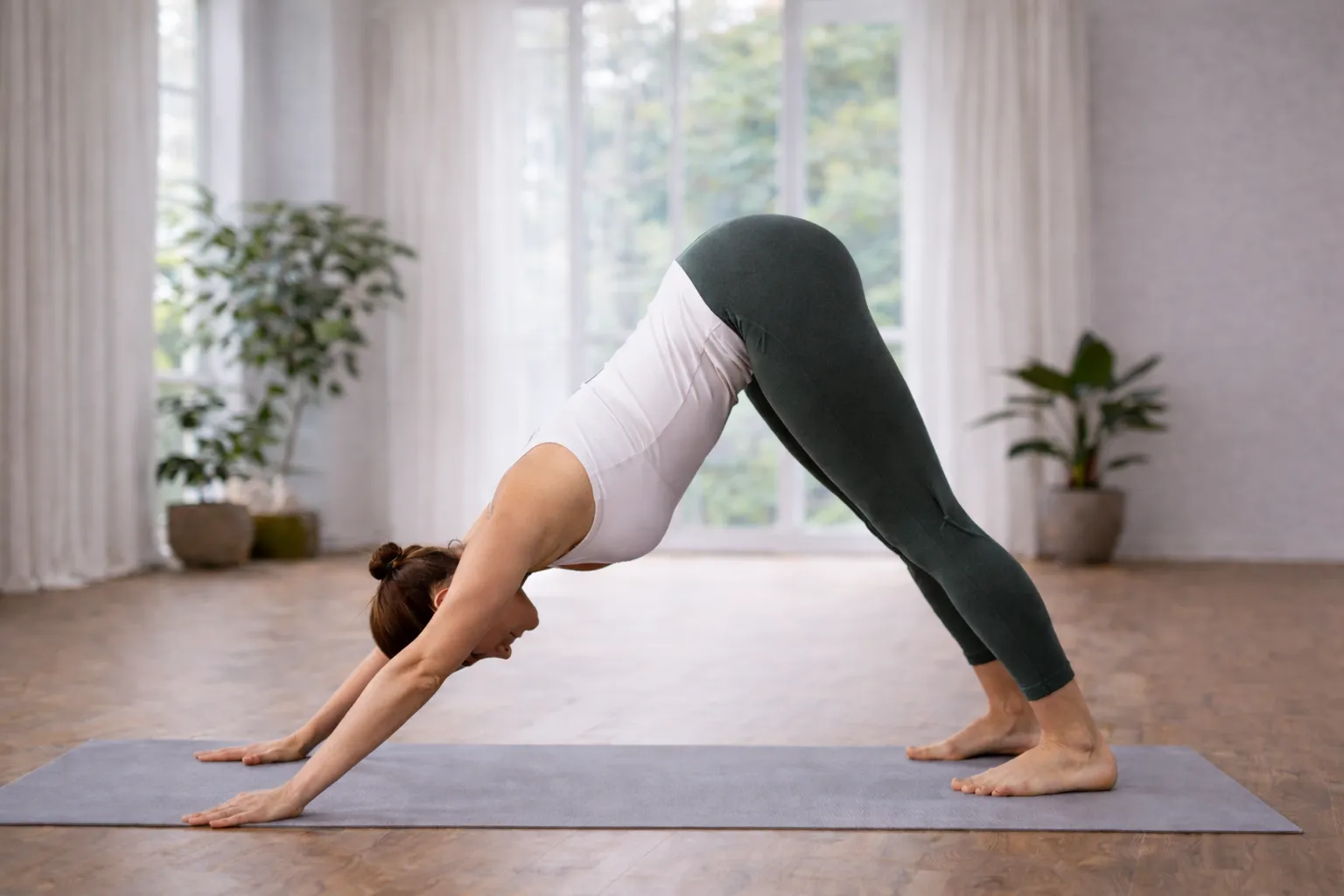
Beginner Yoga Poses: This guide includes beginner-friendly poses such as Child’s Pose, Cat–Cow, Downward Dog, Cobra Pose, and Mountain Pose, with a focus on the spine, hips, and shoulders.
Flexibility Routines: Short flexibility routines include morning sessions, gentle evening stretches, and desk-friendly movements that target the hips, hamstrings, shoulders, and lower back.
Breathing for Flexibility: These breathing techniques support flexibility through deep belly breathing, slow nasal breaths, and gentle breath coordination during stretches.
Who Should Practice & Avoid: This guide is ideal for beginners and desk workers. Those with injuries or severe pain should practice with caution and seek professional guidance.
Supported & Modified Poses: Supported and modified poses using chairs, walls, blocks, or cushions make this guide safe, stable, and beginner-friendly. Explore Accessories
Common Beginner Mistakes: Learning to avoid common mistakes such as overstretching, holding the breath, and practicing through pain helps beginners stay safe and confident.
Practice Tips: Practicing 4–5 days a week for 10–20 minutes can gradually improve flexibility, with noticeable results appearing within a few weeks.
Yoga Basics for Beginners
● Yoga focuses on controlled movement, breathing, and body awareness.
● Beginners should start slowly, focus on form, and practice consistently rather than pushing intensity.
● Practice on an empty stomach
● Breathe deeply and slowly
● Avoid pain by stretching gently and mindfully.
Simple Yoga Stretches for Daily Practice
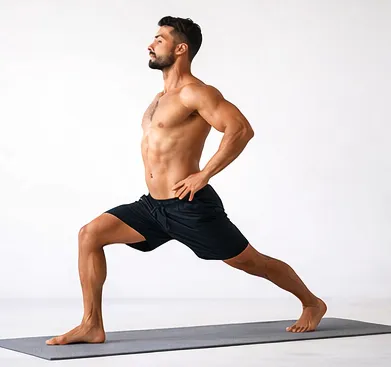
These simple yoga poses are great for boosting flexibility, and overall body alignment & balance. Practicing them daily can help reduce stiffness, increase mobility, and support a healthier lifestyle.
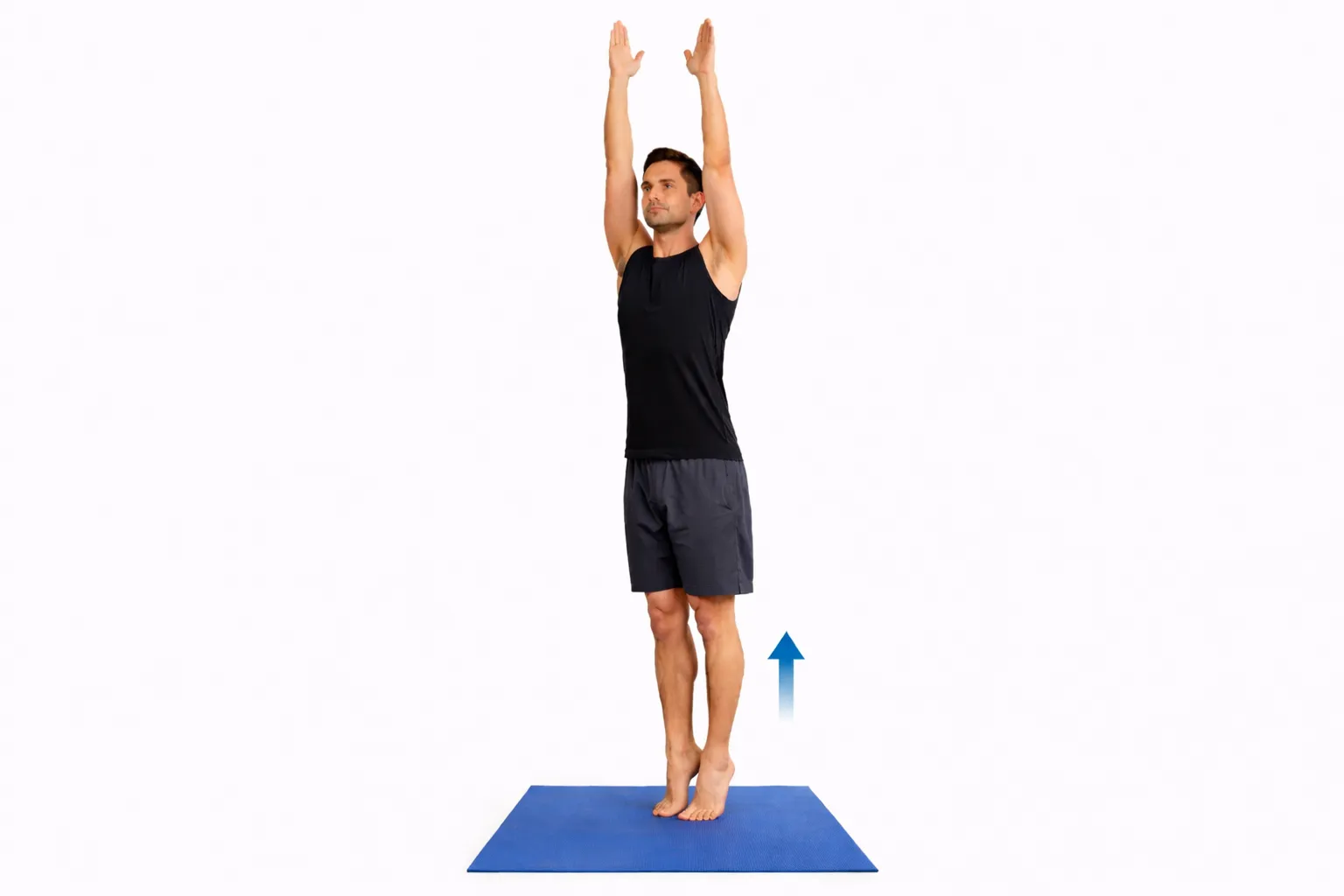
Improves posture, balance, and c
Gently mobilizes the spine and relieves stiffness.
Provides a deep, full-body stretch that boosts energy and mobility.
Relaxation & recovery
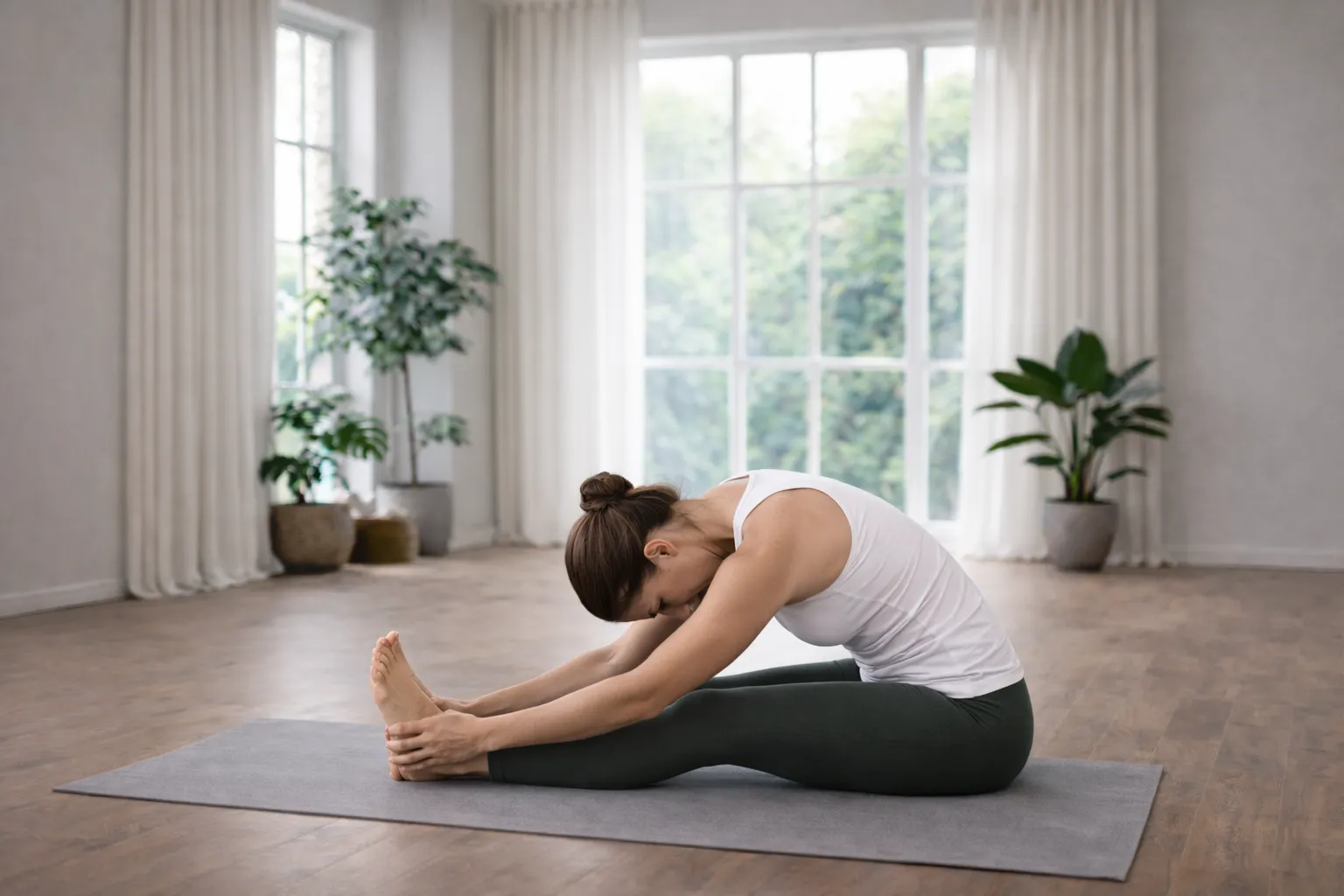
Stretches the hamstrings and lower back while promoting mental calm.
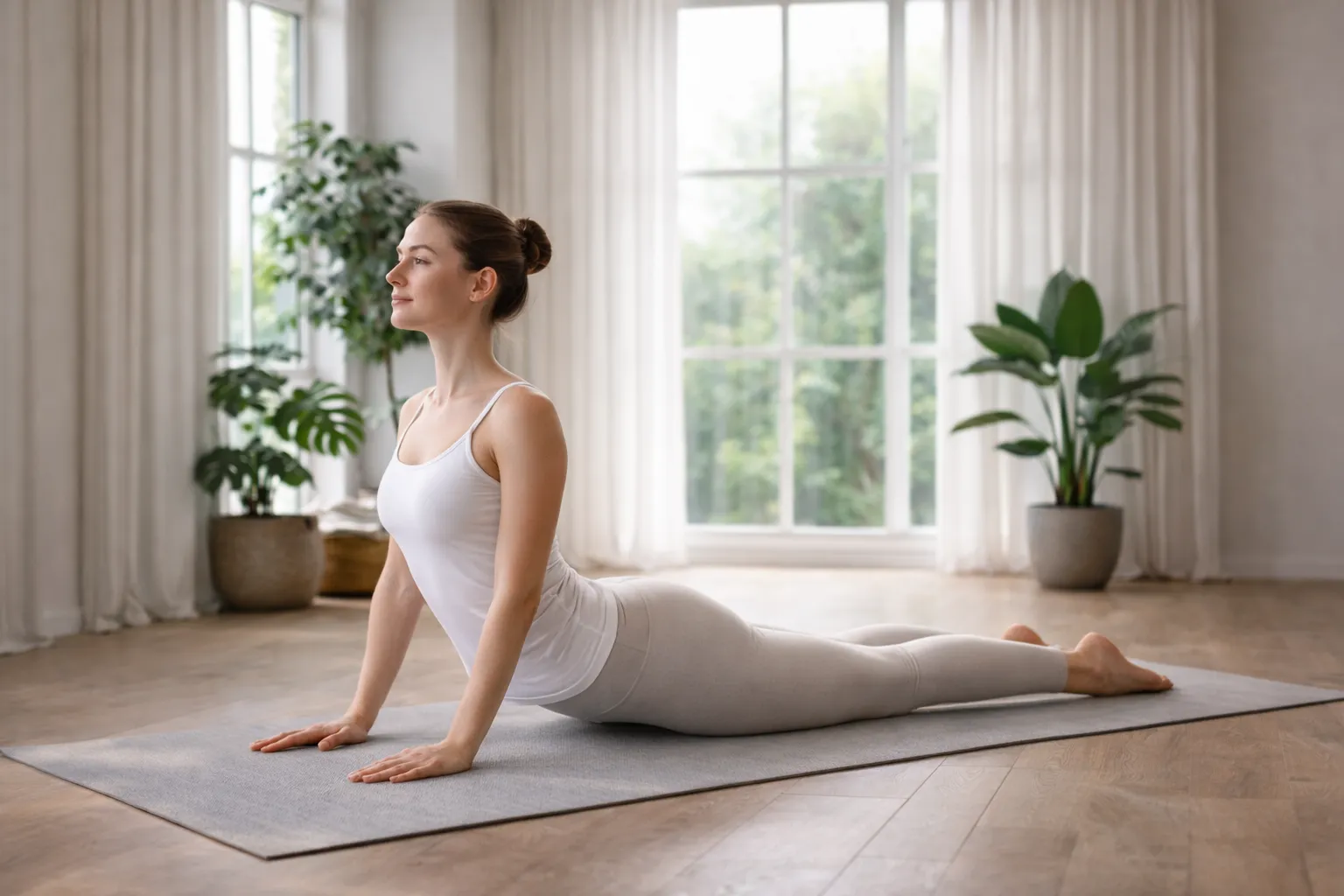
Stretches the chest and spine while improving posture and flexibility.
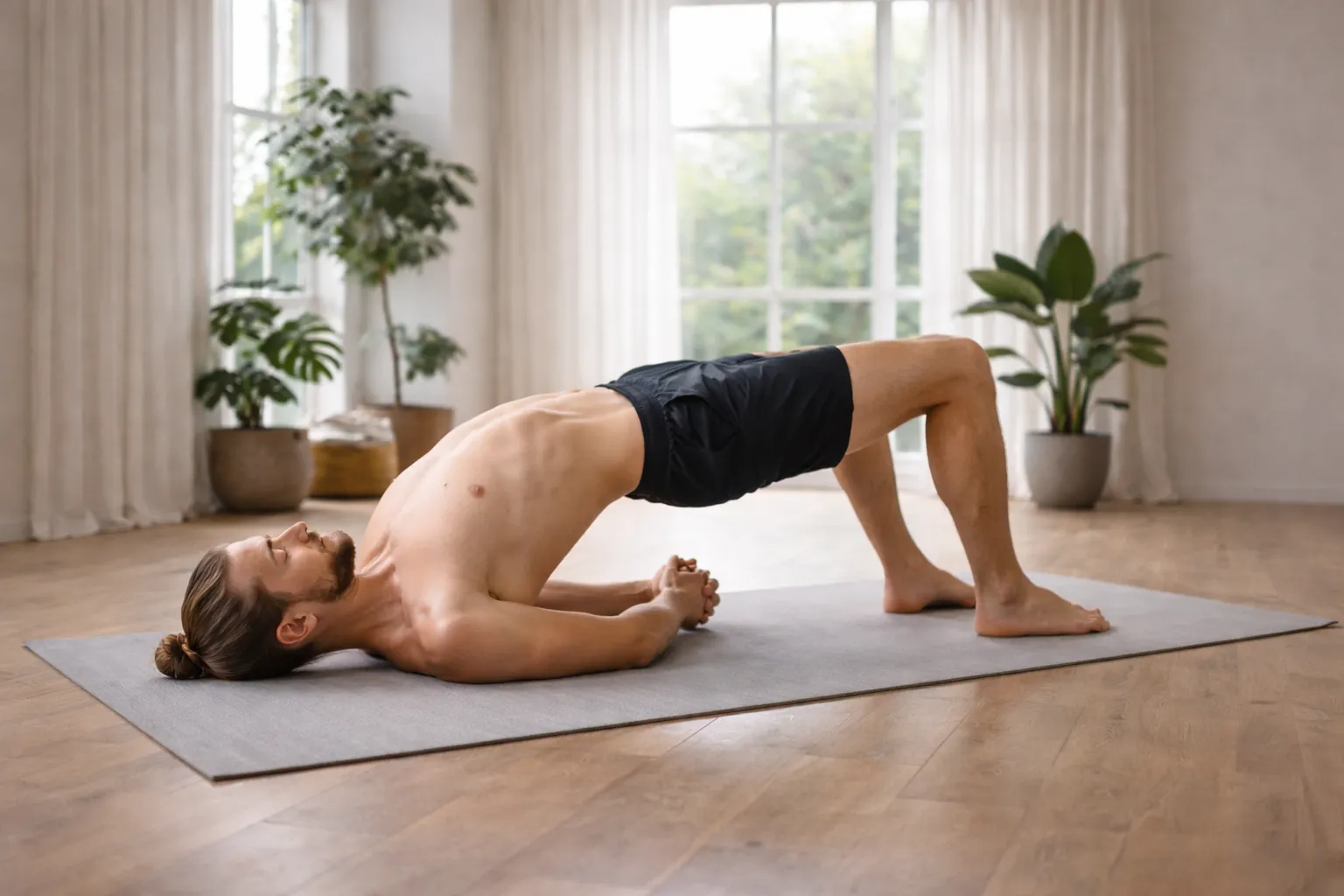
Strengthens the back and glutes while improving spinal flexibility and stability.
Practice 10–20 minutes daily for best results.
Benefits of Yoga Stretches for Flexibility & Stress Relief
Yoga enhances flexibility while improving overall health and balance. Regular practice reduces stiffness, boosts joint mobility, and calms the nervous system. It also supports better sleep, posture, and daily energy levels.
● Reduces stiffness & improves flexibility
● Improves form & joint mobility
● Enhances blood circulation
● Reduces stress & anxiety
● Supports faster recovery
With regular practice, your body becomes more flexible and less stiff over time.
Beginner Mistakes to Avoid
If you’re just starting, avoid these common mistakes:
● Skipping warm-up: Keeps muscles tight
● Lack of consistency: Slows down progress
● Overstretching: Can lead to injuries
● Ignoring breathing: Proper breathing improves flexibility
Quick Flexibility Tips
Practice daily for 10–15 minutes
● Focus on deep breathing
● Hold each pose for 20–30 seconds
● Stay hydrated
● Always warm up before stretching
Who Should Follow This Guide?
● Beginners
● Gym enthusiasts
● Yoga learners
● Office workers with long sitting hours
If you experience stiffness or tight muscles, this routine can help you.
Beginner Yoga Poses Table
| Yoga Pose | Sanskrit Name | Primary Benefit | Best For |
| Mountain Pose | Tadasana | Improves posture & balance | Posture awareness |
| Child’s Pose | Balasana | Relieves back tension | Relaxation & recovery |
| Cat–Cow Pose | Marjaryasana Bitilasana | Improves spine mobility | Back stiffness |
| Downward Dog | Adho Mukha Svanasana | Stretches spine & legs | Flexibility |
| Cobra Pose | Bhujangasana | Strengthens lower back | Improves posture and relieves back pain. |
| Bridge Pose | Setu Bandhasana | Opens chest & hips | Strengthens the core, spine, and glutes. |
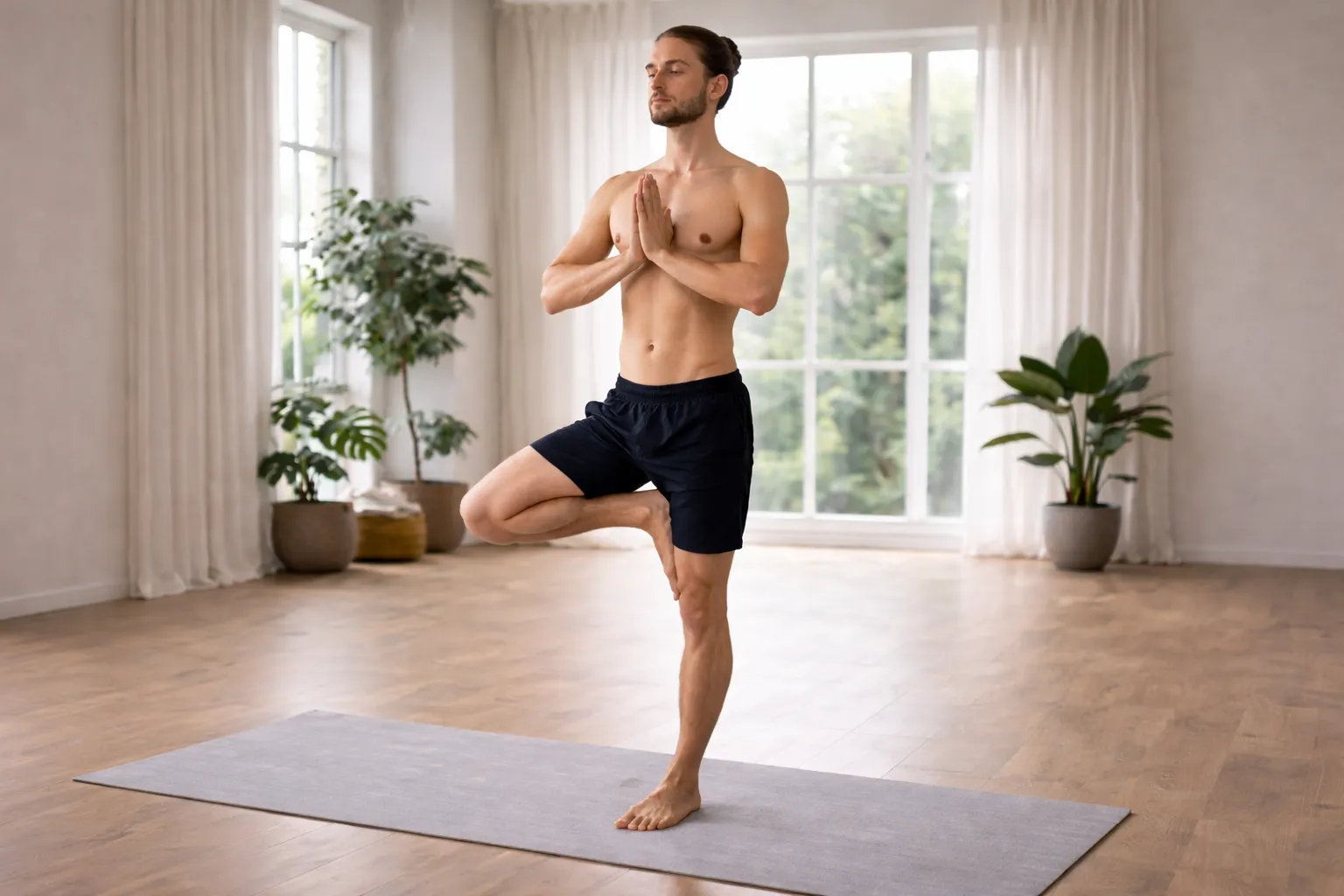
| Tree Pose | Vrikshasana | Improves balance & focus | Improves balance and focus while strengthening the legs. |
| Easy Pose | Sukhasana | Calms the mind | Promotes relaxation and improves posture for meditation. |
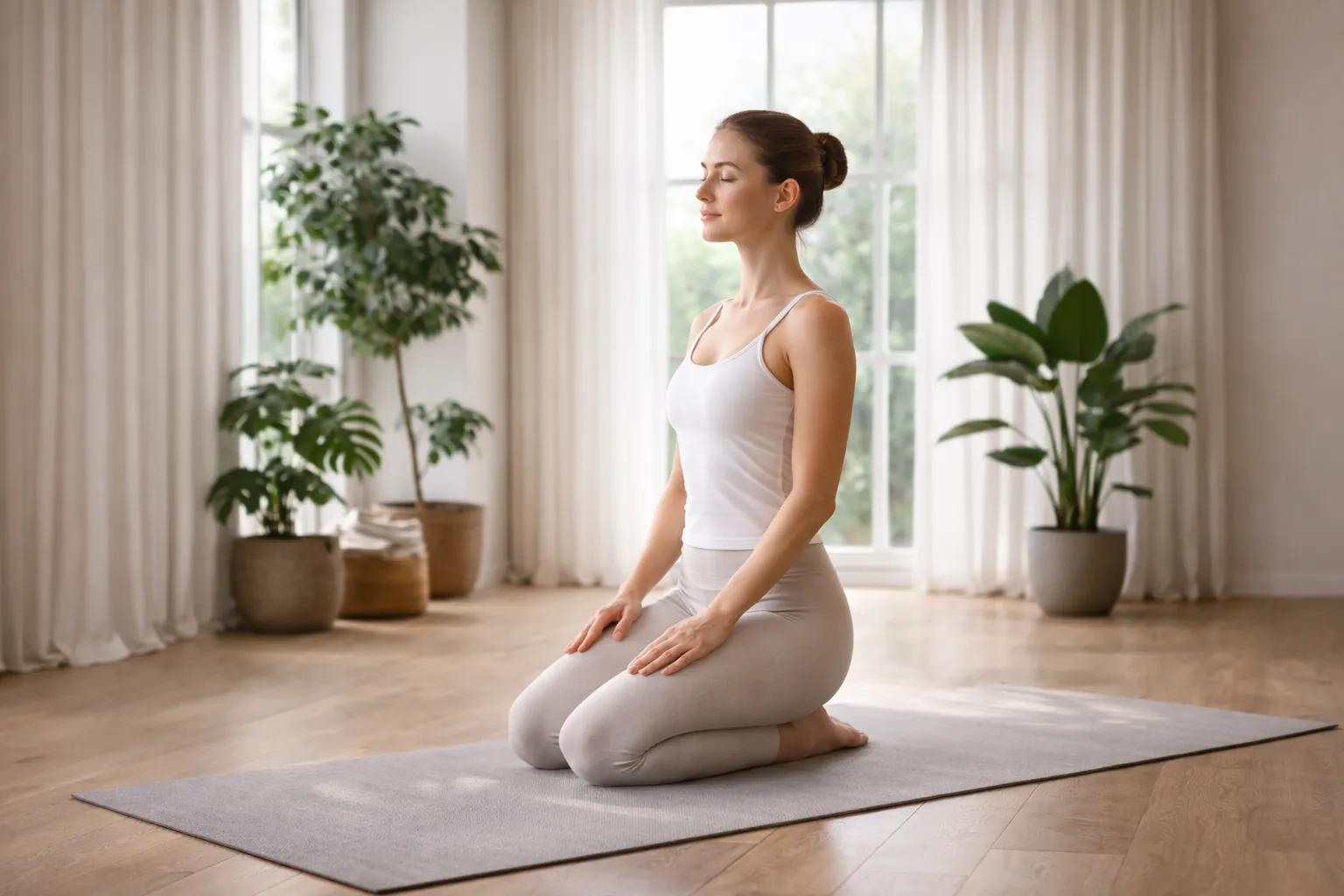
| Thunderbolt Pose | Vajrasana | Improves digestion, posture, and mental calm | Post-meal sitting, digestion support, meditation |
| Corpse Pose | Shavasana | Deep relaxation, nervous system calming | Stress relief, mental fatigue, recovery after yoga or work |
Explore
Build Muscle Faster, Visit 5 Beginner Exercises for Muscle
For Posture improvement, visit our Improve Posture at Home
Want to master yoga and learn the best poses? Start here. Start Yoga at Home
FAQ
Do I need equipment to start yoga at home?
No. A yoga mat is enough to start; blocks and straps are optional.
Is yoga suitable for people with low flexibility?
Yes. Yoga is suitable for all levels and improves flexibility over time.
How often should beginners practice yoga?
Beginners can practice yoga 10–20 minutes daily to see gradual improvements.
What is the best time to practice yoga?
The best time to practice yoga is early morning on an empty stomach. However, you can also practice in the evening, as long as you feel comfortable and consistent.
Can yoga help with weight loss?
Yes. Yoga can support weight loss by improving metabolism, reducing stress, and increasing physical activity. Consistent practice along with a healthy diet gives better results.
Conclusion
Improving flexibility is not about pushing your limits but staying consistent with the right approach. With simple yoga poses, regular stretching, and mindful breathing, you can gradually reduce stiffness and move more freely. Start slow, stay consistent, and your body will thank you over time.
Recommended Yoga Tools for Home Practice
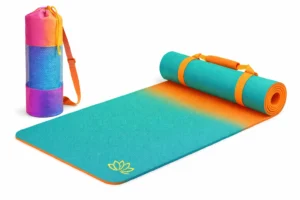
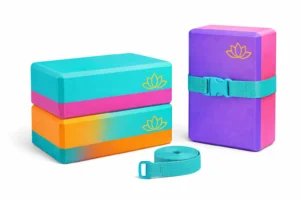
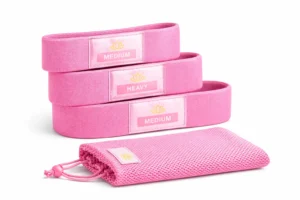

Boost
Your Flexibility
with the Right Tools
Beginner Yoga Accessories
Disclaimer: This content is for educational purposes only and may contain affiliate links. We may earn a small commission at no extra cost to you if you purchase through our links. This information is not intended as medical advice. Always consult a qualified healthcare professional before starting any new exercise, especially if you have any medical conditions, injuries, or concerns. Practice at your own risk.