
Best Desk Exercises for Office Workers

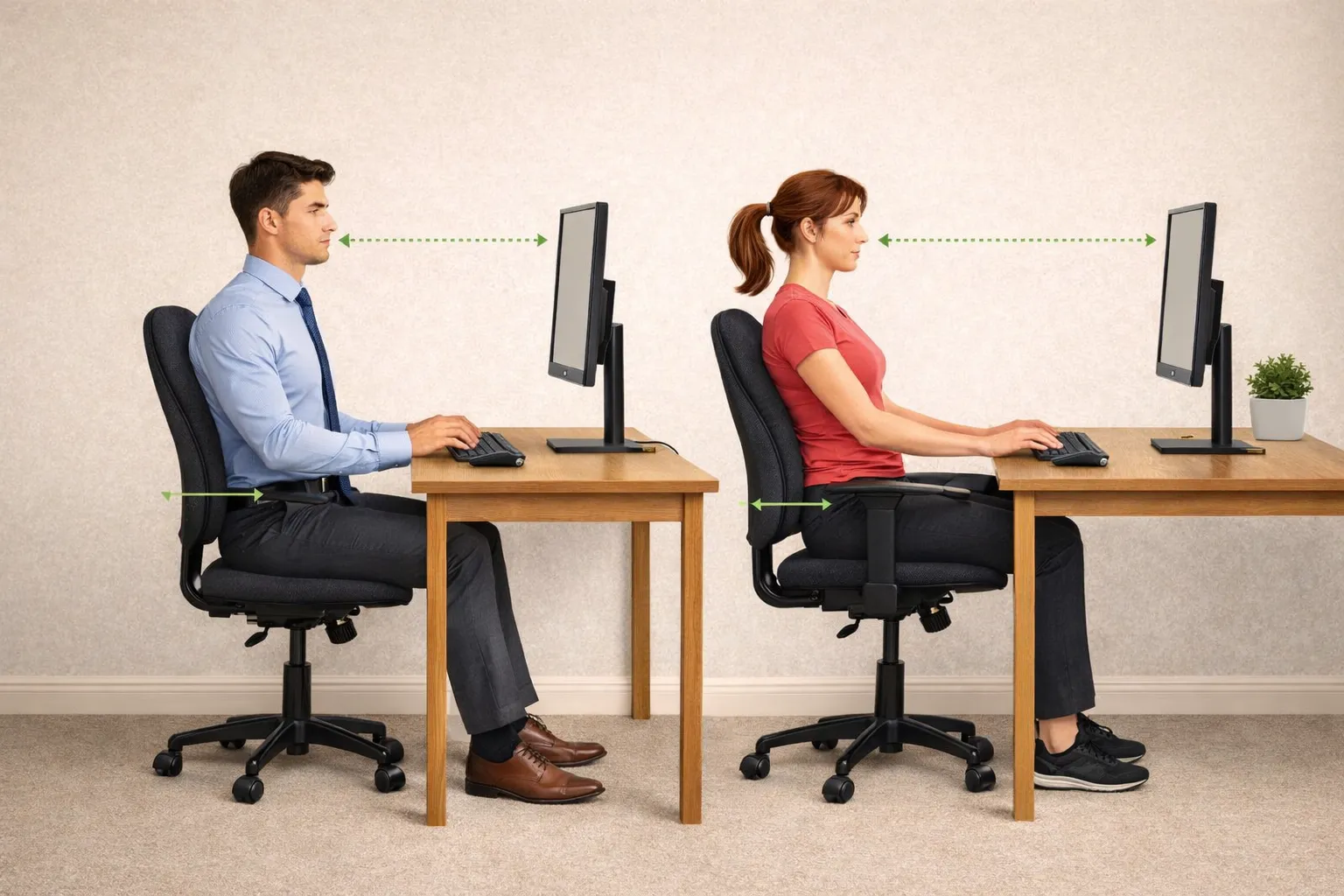
Introduction
As modern work becomes increasingly digital, many office workers spend long hours seated at a desk. Prolonged sitting can negatively impact posture, blood circulation, and energy levels. Over time, a sedentary routine may lead to muscle stiffness, neck and back discomfort, fatigue, and reduced concentration. Incorporating simple desk exercises into the workday helps counter these effects by improving mobility, relieving tension, and supporting overall well-being.
For best results, desk exercises should be combined with proper sitting posture.
Effective Desk Exercises You Can Do at Work
The following desk exercises are simple, time-efficient, and require very little space, making them perfect for office workers, remote professionals, and students. These exercises can be easily performed while sitting or standing at your desk, without changing clothes or using any equipment.
Regularly practising desk exercises helps reduce stiffness caused by long hours of sitting, improves blood circulation, relieves muscle tension, and boosts focus and energy levels throughout the day. Whether you have just a few minutes between tasks or want to stay active during work hours, these movements are designed to keep your body flexible and refreshed.
1️⃣ Shoulder Rolls
Shoulders often tighten due to prolonged desk work and poor posture.
How to Perform:
● Sit or stand upright with your spine straight
● Slowly lift your shoulders toward your ears
● Roll them backward and downward in a smooth circular motion
● Repeat 10 times, then reverse the direction
Benefits:
◆ Relieves shoulder tension, improves flexibility, and supports better posture.
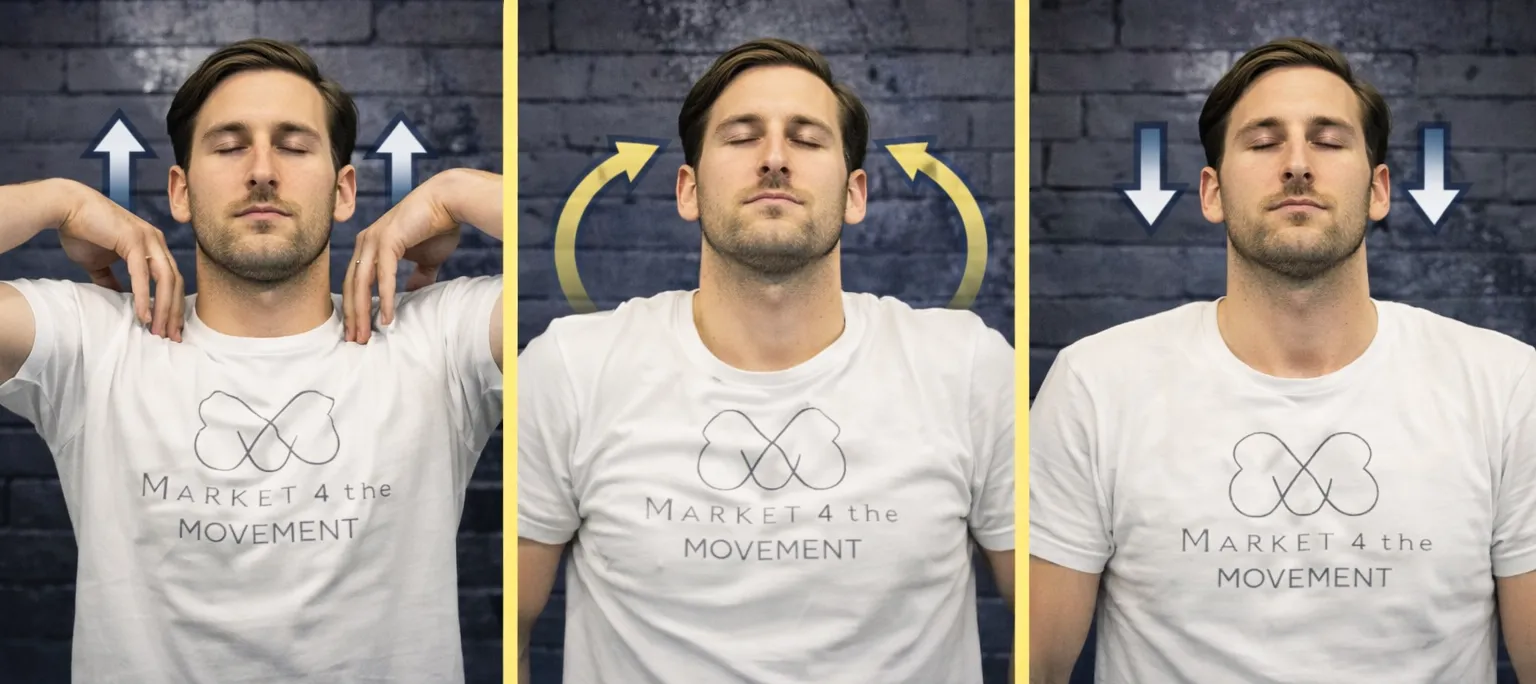
① Lift Shoulder Up
② Roll Back
③ Drop & Relax
2️⃣ Neck Rotations
Extended screen time commonly causes neck stiffness and discomfort.
How to Perform:
● Sit upright with relaxed shoulders
● Slowly rotate your neck clockwise
● Repeat in the opposite direction
● Perform 4–5 rotations on each side
Benefits:
◆ Reduces neck stiffness and improves neck mobility.

① Turn left
② Drop & Roll
③ Turn Right
3️⃣ Wrist & Forearm Stretches
Frequent typing and mouse use can strain the wrists and forearms.
How to Perform:
● Extend one arm forward with the palm facing up
● Gently pull the fingers downward using the other hand
● Hold for 10–15 seconds and switch sides
Benefits:
◆ Helps prevent wrist pain and reduces the risk of repetitive strain injuries.
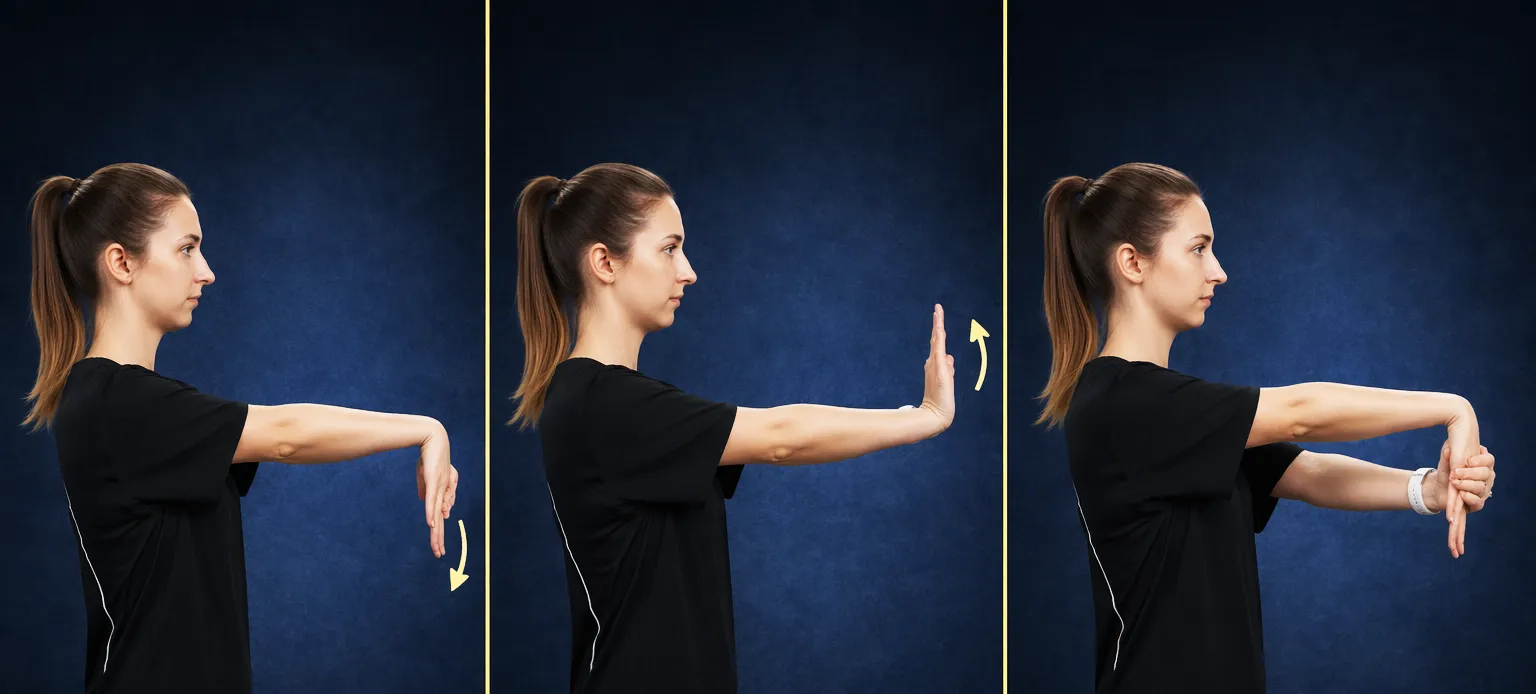
① Bend
② Lift
③ Stretch
If you experience frequent wrist strain, ergonomic desk accessories can help improve comfort and wrist support during long work hours.
✪ View recommended wrist support options
4️⃣ Calf Raises
Prolonged sitting can slow blood circulation in the lower body.
How to Perform:
● Stand behind your chair for support
● Slowly rise onto your toes
● Lower your heels back down
● Perform 10 repetitions
Benefits:
◆ Improves circulation and reduces leg stiffness.
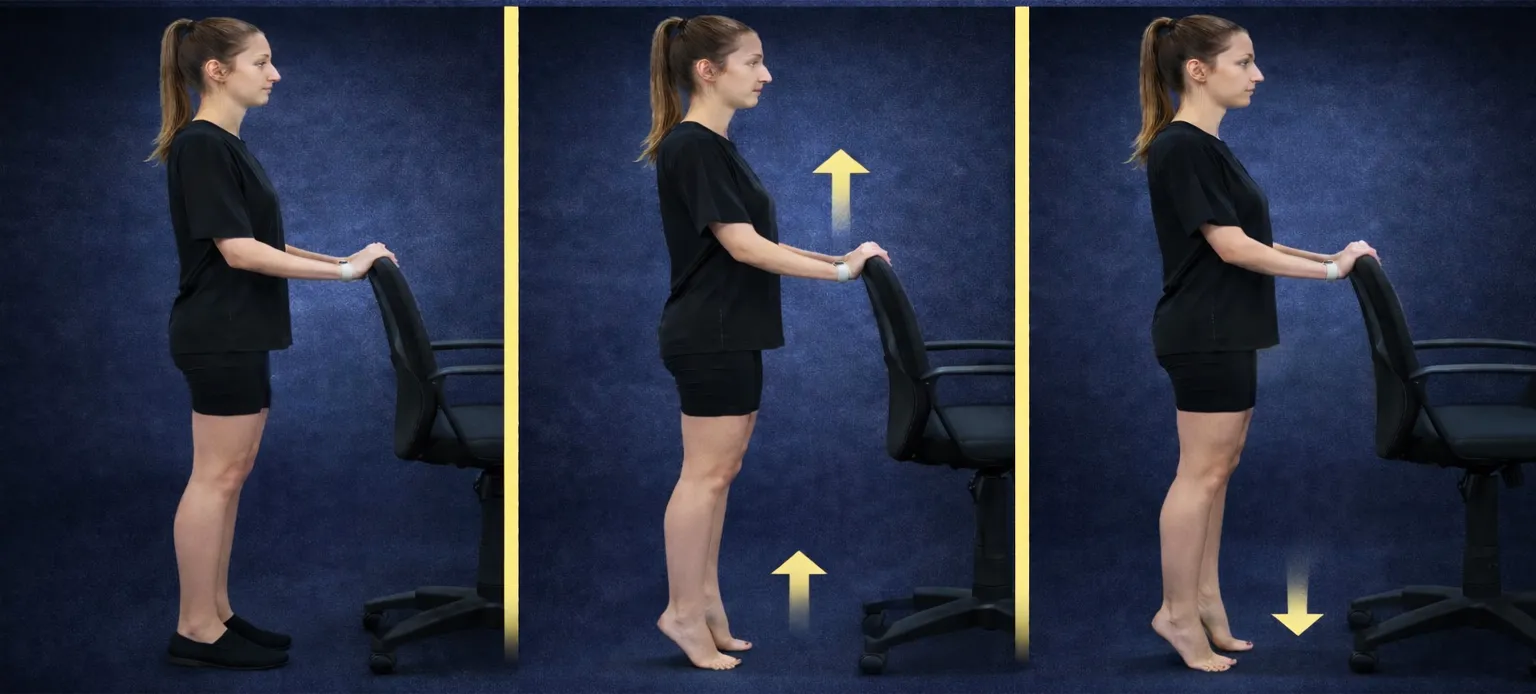
① Lift
② Rise
③ Lower
5️⃣ Desk Chest Opener
This exercise helps correct rounded-shoulder posture caused by long sitting hours.
How to Perform:
● Interlace your fingers behind your back
● Gently lift your hands while opening your chest
● Hold for 10–15 seconds
Benefits:
◆ Improves posture and relieves upper-body tightness.
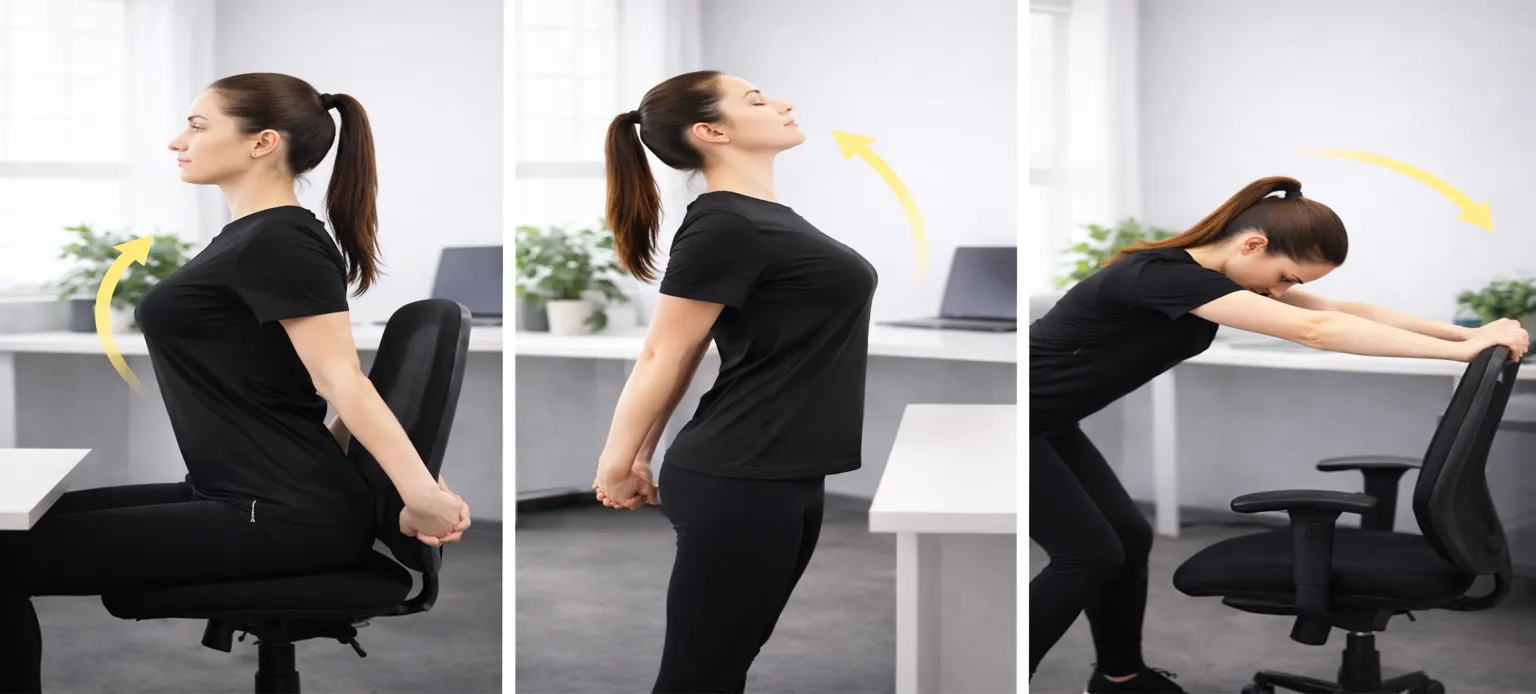
① Back
② Lift
③ Bend
6️⃣ Movement Breaks
Proper posture and regular movement go hand in hand for desk workers.
How to Perform:
● Set a timer to stand, stretch, or walk for a few minutes every hour.
● Short movement breaks can refresh the body and mind.
Benefits:
◆ Boosts energy levels, circulation, and concentration.
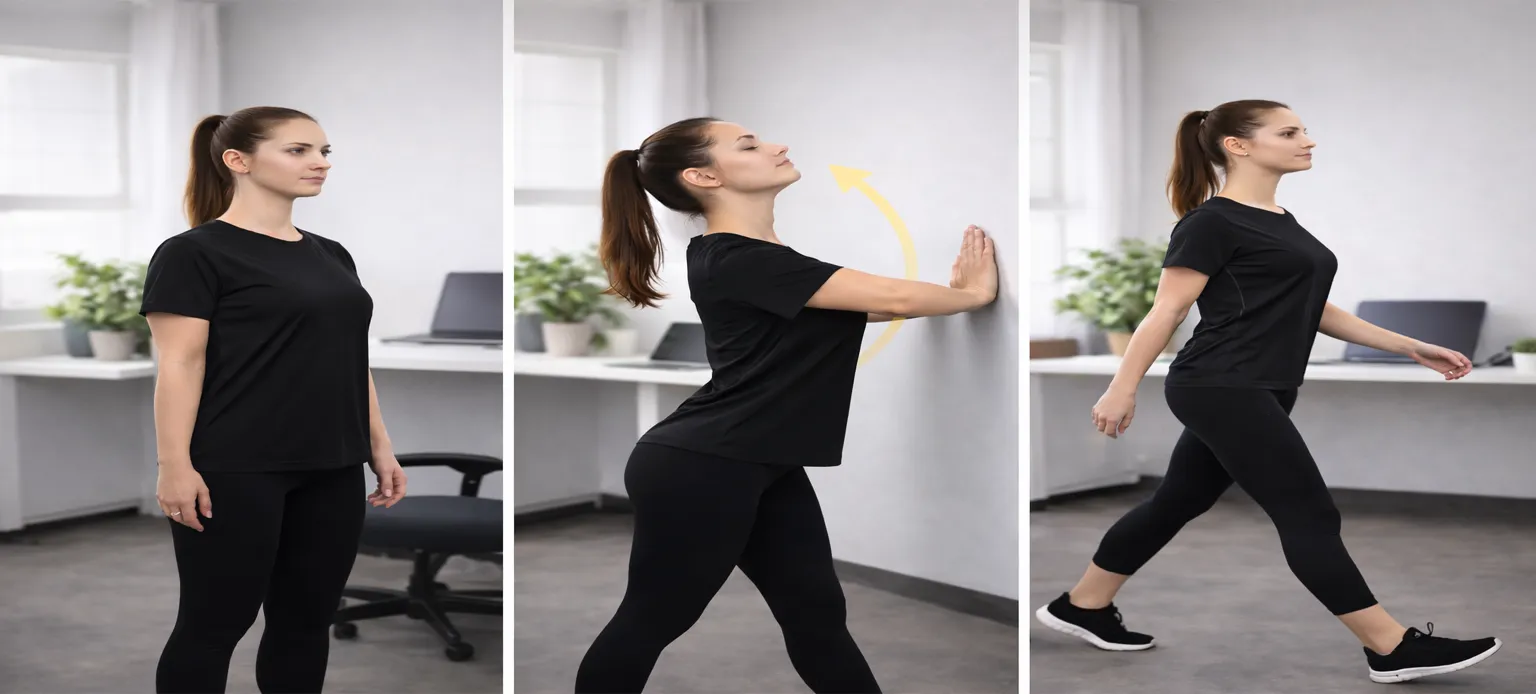
① Stand
② Stretch
③ Walk
Simple ergonomic tools can support better movement, posture, and comfort during desk work.
Explore recommended ergonomic desk picks.
Creating a Healthier Work Environment
Incorporating desk exercises into your daily routine is a simple yet powerful way to reduce the negative effects of prolonged sitting and a sedentary work lifestyle. Regular movement helps prevent muscle stiffness, poor posture, and fatigue that often develop during long working hours.
Along with desk exercises, alternating between sitting and standing throughout the day can improve blood circulation and reduce strain on the lower back and neck. Maintaining an ergonomic desk setup, such as a proper chair height, screen level, and keyboard positioning, supports better posture and minimises the risk of repetitive stress injuries.
Taking short, regular breaks to stretch, walk, or do light exercises not only improves physical well-being but also boosts focus, energy, and overall productivity. By making these small yet consistent changes, you can create a healthier, more balanced work environment that supports both your body and long-term well-being.
Conclusion
Desk exercises are a simple and effective way to stay active during long work hours and reduce the effects of prolonged sitting. They help relieve pain, improve flexibility, and support long-term spinal health when combined with proper posture, an ergonomic workspace, and regular movement breaks.
Even small movements, when practised consistently, can significantly enhance circulation, reduce muscle tension, and improve overall comfort throughout the day. The key is not intensity, but consistency.
Healthy posture and regular movement are daily habits, not one-time fixes. By making mindful movement a part of your everyday work routine, you can protect your body, boost productivity, and support long-term well-being.
Regular movement reduces stiffness & improves blood flow.
Related Research:
If you struggle with slouching, learn how to improve posture at home using easy daily habits.
Explore
6 Effective Yoga Poses
✫ Long Sitting → Lower Back Pain
✫ Leg Numbness and Poor Circulation
✫ Full Body Stiffness and Tightness
✫ Stress and Fatigue
✫ Poor Posture and Slouching
✫ Lower Back Pain and Posture Issues
FAQs
How often should office workers do desk exercises?
Office workers should perform desk exercises every 45–60 minutes. Even 2–3 minutes of stretching or movement helps reduce muscle tension, improve blood flow, and prevent discomfort caused by prolonged sitting.
Can desk exercises reduce neck and back pain?
Yes. Regular desk exercises combined with proper sitting posture can significantly reduce neck pain, back stiffness, and shoulder tension. Consistent movement helps relieve muscle tightness and supports spinal health.
What are the best desk exercises for office workers?
The best desk exercises for office workers include shoulder rolls, neck rotations, wrist and forearm stretches, calf raises, chest openers, and regular movement breaks. These exercises help reduce stiffness, improve circulation, and support better posture during long sitting hours.
Do desk exercises require special equipment?
No. Most desk exercises can be performed without any equipment. Simple movements such as stretching, rotations, and standing exercises are sufficient to stay active at work.
Are desk exercises effective for people working from home?
Yes. Desk exercises are equally effective for people working from home. They help counteract long hours of sitting, improve posture, and maintain energy levels throughout the workday.
Can desk exercises improve productivity at work?
Absolutely. Regular movement breaks and desk exercises help improve circulation, reduce fatigue, and increase focus, which can lead to better productivity and overall work performance.
View Recommended Posture Correction & Support Tools
Affiliate Disclosure: This post may contain affiliate links. We may earn a commission at no additional cost to you.

Ajay Jaswal is the founder of Fitness Dose Club, where he shares beginner-friendly guides on posture improvement, fitness training, and responsible supplement use. His goal is to make healthy living simple, practical, and safe for everyday people.